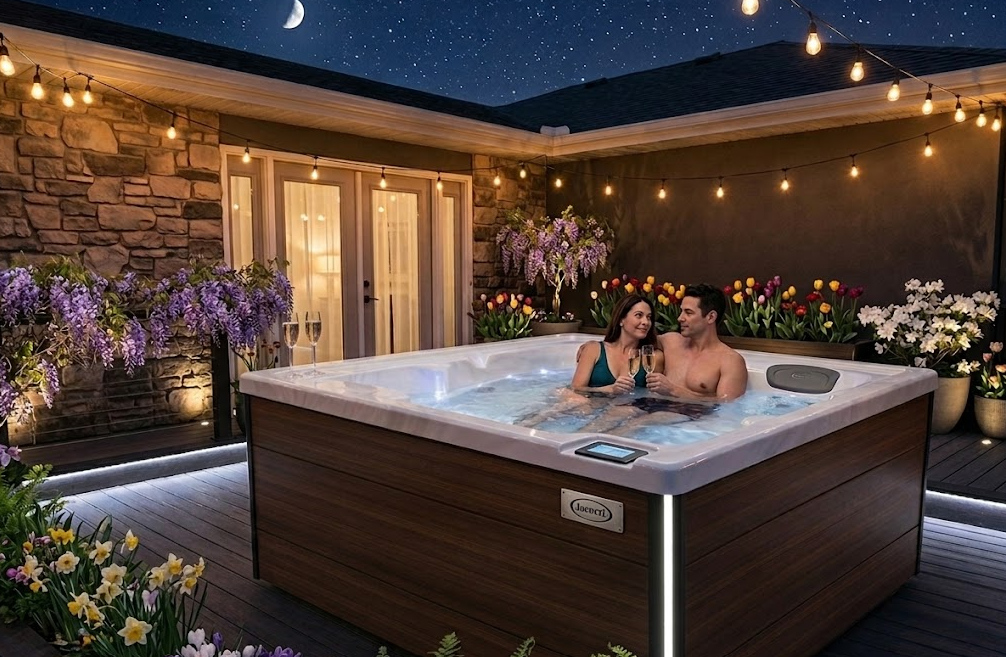





There is something undeniably luxurious about stepping into a sauna after a long day, feeling the heat melt away your stress and tension. But what if you did not have to drive to a gym or spa to enjoy that experience? That is exactly why so many people are making the switch to an at home sauna, and honestly, it might be one of the best wellness investments you will ever make.
Whether you are already familiar with the basics of sauna use or you are ready to take your recovery and relaxation routine to the next level, this guide has everything you need. We are covering the key things every sauna owner should know, from choosing the right type and size to installation tips, maintenance must-haves, and maximizing the health benefits. Think of it as your go-to checklist for making smart, informed decisions before and after bringing a sauna into your home. By the time you finish reading, you will feel confident and excited to get started on your at home sauna journey.
Why Homeowners Are Investing in At-Home Saunas
Something shifted in the way people think about home after 2020. Homeowners stopped viewing their living spaces purely as places to sleep and eat, and started treating them as long-term investments in personal health and wellbeing. Saunas, once considered a niche luxury reserved for high-end spas and Scandinavian retreats, quickly emerged as one of the most searched and purchased home wellness upgrades, and that momentum has only grown stronger heading into 2026.
The appeal makes practical sense when you break it down. A gym membership or spa visit comes with recurring costs, fixed schedules, and the inconvenience of traveling to and from a facility. An at-home sauna flips that equation entirely. Once it is installed, the access is unlimited, the schedule is yours, and there are no per-session fees eating into your budget over time. Whether you want a 20-minute heat session before work or a long wind-down after a stressful week, the experience is available on your terms.
Growing consumer awareness around heat therapy has also played a major role in this shift. Research into the connection between regular sauna use, stress reduction, cardiovascular support, and post-workout muscle recovery has helped move saunas from aspirational novelty into genuine everyday wellness tools. This is no longer a product category that only affluent early adopters explore; it is becoming a mainstream lifestyle investment for a broad range of homeowners.
That broad appeal is worth noting. Active adults are drawn to saunas for faster recovery between workouts, while older homeowners increasingly value the cardiovascular and stress-management benefits that regular heat therapy can support. From young families building out a backyard wellness retreat to retirees creating a calming indoor sanctuary, the at-home sauna speaks to multiple generations, all looking to invest in a healthier, more restorative home environment.
Types of At-Home Saunas and How to Choose the Right One
Not all at-home saunas are created equal, and the right choice depends almost entirely on your lifestyle, space, and what kind of heat experience you’re looking for. The four main categories, infrared, traditional Finnish, barrel, and portable, each deliver a genuinely different session. Infrared saunas use radiant heat to warm your body directly at lower ambient temperatures, making them a popular choice for everyday wellness routines. Traditional Finnish saunas run hotter and can incorporate steam for that classic löyly experience. Barrel saunas are a beautiful outdoor option that blends naturally into backyard spaces. Portable saunas offer the lowest barrier to entry for first-timers.
Most homeowners settle on their choice by weighing three practical factors: preferred heat style, available space, and budget. Infrared and portable units often fit indoors without major renovation, while barrel and traditional saunas typically shine as backyard centerpieces. Premium sauna brands have expanded their residential lines considerably in recent years, meaning you no longer need an unlimited budget to find a quality unit that fits your home and your life.
Infrared Saunas (Near, Mid, and Far Infrared)
If you’ve ever stepped into a sauna and felt overwhelmed by the intense blast of heat, infrared might be exactly what you’ve been looking for. Unlike traditional saunas that warm the surrounding air to temperatures between 170 and 200 degrees Fahrenheit, infrared saunas use light waves to heat your body directly, keeping the ambient temperature at a far more comfortable 120 to 150 degrees. That gentler environment means most people can sit and relax for longer sessions without feeling like they need to escape after five minutes.
Not all infrared is the same, though. The technology breaks down into three wavelength types, each with distinct characteristics. Near infrared works closest to the surface, often associated with skin and tissue benefits. Mid infrared penetrates a bit deeper and is frequently connected to circulation and muscle recovery. Far infrared reaches the deepest level of tissue warming and is by far the most common wavelength found in residential cabin saunas. Many premium models now offer full-spectrum heaters that combine all three, giving you a more complete experience in a single session.
From an installation standpoint, infrared saunas are hard to beat for everyday homeowners. Most two-person and four-person cabin units plug into a standard 120V outlet, require zero plumbing, and reach operating temperature in just 15 to 20 minutes. That kind of convenience makes them a natural fit for a spare bedroom, finished basement, or even a generous bathroom addition.
For anyone purchasing their first at-home sauna, infrared models consistently top the recommendation list, and for good reason. The lower operating temperatures feel more approachable, the setup process is straightforward, and the energy consumption per session is modest compared to traditional electric or wood-burning alternatives. It is a genuinely accessible entry point into home wellness.
Traditional Finnish and Steam Saunas
For homeowners who want the real deal, traditional Finnish saunas deliver an experience that has stood the test of centuries. These saunas use either an electric or wood-burning heater to warm a bed of specially selected rocks, which then radiate intense dry heat throughout the cabin. Temperatures typically climb between 170 and 195 degrees Fahrenheit, creating an enveloping warmth that feels distinctly different from the gentler heat of an infrared session. It is bold, immersive, and deeply satisfying in a way that is hard to replicate with any other method.
At the heart of the traditional Finnish sauna experience is a ritual known as löyly (pronounced “leh-oo-loo”), the practice of ladling small amounts of water over the heated rocks to produce a sudden burst of steam. This surge of humidity briefly intensifies the perceived heat without significantly raising the air temperature, creating a sensation that sauna enthusiasts describe as both invigorating and deeply cleansing. Löyly is not just a technique; it is a cultural touchstone that has defined Finnish sauna tradition for generations.
From a practical standpoint, electric traditional saunas generally require 240V electrical service and adequate ventilation, which is why professional installation is strongly recommended for any indoor build. Wood-burning models, on the other hand, are a natural fit for outdoor cabins and backyard installations where running a dedicated electrical line is less convenient. These models bring a rustic, campfire-like atmosphere to the experience and pair beautifully with an outdoor or semi-outdoor setting. If your vision includes a backyard wellness retreat alongside a hot tub or swim spa, a traditional Finnish sauna cabin makes for an incredibly compelling centerpiece.
Barrel Saunas for Outdoor Spaces
If you want your backyard to make a statement while delivering a genuine wellness experience, the barrel sauna is in a category all its own. These cylindrical structures, most commonly built from aromatic western red cedar, have become one of the most sought-after outdoor additions for homeowners who want something that looks as good as it performs. The distinctive rounded shape is not just a design choice; it serves a real functional purpose. The curved interior walls promote natural convection, allowing heat to circulate more evenly and efficiently than it would inside a standard rectangular cabin. The result is a space that reaches your target temperature faster and maintains consistent warmth from floor to ceiling.
Placement is refreshingly flexible. Most barrel saunas are designed to sit on any flat, level surface, including an existing deck, a poured concrete pad, or a well-prepared gravel base. They are available in both electric and wood-burning configurations, so whether you want the convenience of a dial or the ambiance of a crackling fire, there is an option that fits your preference and your property.
Cedar is the material of choice for good reason. It naturally resists moisture, repels insects, and handles the expansion and contraction that comes with shifting outdoor temperatures without warping or cracking. That durability translates to low ongoing maintenance, which matters when you are making a long-term investment.
Perhaps the biggest practical advantage is how approachable the installation process actually is. Many barrel sauna models arrive largely pre-assembled, meaning you can go from delivery to your first session in far less time than a traditional construction project would require. For homeowners who want a permanent outdoor sauna without breaking ground, the barrel sauna offers a compelling combination of beauty, performance, and convenience.
Portable and Tent Saunas
If you’re sauna-curious but not quite ready to commit to a permanent installation, portable and tent-style saunas offer a genuinely accessible way to dip your toes into heat therapy. These folding infrared units and collapsible steam pods sit at the most affordable end of the sauna spectrum, with many models available for under $300 at major retailers. Setup takes minutes rather than days, and since most units plug directly into a standard 120V household outlet, there’s no electrical work, no permits, and no contractor required.
The practical appeal is real, especially for renters, apartment dwellers, or anyone in a transitional living situation. You get a meaningful wellness experience without drilling a single hole or signing off on a renovation. When you’re done, the unit folds flat and slides under a bed or into a closet.
That said, it’s worth being honest about the trade-offs. Portable saunas simply can’t replicate the depth of relaxation, the warmth retention, or the social dimension that a built-in infrared or traditional sauna delivers. They also carry little to no resale value and tend to wear out faster than permanent units.
Most sauna enthusiasts and wellness-focused homeowners treat portable models as a smart starting point, a way to explore heat therapy and confirm it belongs in your routine before investing in something built to last. Think of it as a trial run for a lifestyle upgrade.
Health Benefits of Regular Sauna Use
Choosing an at-home sauna is about more than aesthetics or convenience. The science behind regular heat therapy is genuinely compelling, and understanding what happens to your body during and after a session makes the investment feel even more worthwhile.
1. Cardiovascular Support
Long-term population research, including studies from the Kuopio Ischemic Heart Disease Risk Factor Study conducted in Finland, has drawn meaningful connections between regular sauna bathing and measurable improvements in cardiovascular health. Findings suggest that frequent sauna users may experience reduced resting blood pressure and better arterial flexibility over time. Mayo Clinic has highlighted this body of research as promising, noting that the cardiovascular responses your body experiences during a sauna session closely mirror those of moderate-intensity exercise. Note: Readers should consult a physician before beginning any new heat therapy routine, particularly those with existing heart conditions.
2. Muscle Recovery and Reduced Soreness
Heat therapy works by increasing circulation and delivering fresh, oxygen-rich blood to fatigued muscle tissue. For active adults and athletes, a post-workout sauna session has become a go-to recovery tool, with research pointing to reductions in delayed onset muscle soreness (DOMS) following heat exposure. The warmth helps relax tight muscles, reduces stiffness, and may shorten the time between training sessions. It is a passive, restorative recovery method that requires nothing more than sitting still.
3. Stress Reduction and Better Sleep
Regular sauna use has been associated with lower cortisol levels, the hormone most closely tied to chronic stress. The post-session cooling your body undergoes as your core temperature gradually drops closely mirrors the natural thermal dip that signals your brain it is time for deep sleep. Many regular sauna users report falling asleep faster and experiencing more restful nights overall.
4. Natural Detoxification Support
Sweating is one of the body’s natural elimination pathways. Research suggests that trace heavy metals and certain environmental compounds can be excreted through perspiration, though it is worth noting that your liver and kidneys remain your primary detoxification organs. Think of sauna-induced sweating as one supportive layer within a broader wellness routine rather than a standalone cleanse.
5. Mood and Cognitive Wellness
Emerging research points to sauna use as a potential mood booster, with heat exposure linked to increased endorphin production and elevated growth hormone levels. Some studies suggest consistent use may support cognitive clarity and emotional resilience over time, though this remains an active area of research. What most regular users report anecdotally, and what the early science supports, is that stepping out of a sauna simply feels good, both mentally and physically.
What It Really Costs to Install a Home Sauna
Let’s be honest: cost is usually the first question people ask when they start exploring at-home saunas, and the answer is genuinely more flexible than most people expect. The price range spans from beginner-friendly to full luxury build, which means there’s a realistic entry point at almost every budget level.
At the accessible end, portable tent and blanket saunas typically start under $300, making them an easy first step into heat therapy without any installation at all. Pre-built infrared cabin saunas, which are the most popular choice for first-time buyers, commonly range from around $1,500 to $6,000 depending on size, wood quality, and heater technology. Traditional Finnish saunas and premium outdoor barrel saunas tend to fall between $3,000 and $10,000, while fully custom indoor builds with high-end finishes can exceed $15,000. Note: verify current pricing with retailers and manufacturers before making purchasing decisions, as figures can shift with supply and demand.
Electrical and Installation Costs
One of the most overlooked variables in the total budget is electrical work. Most infrared saunas operate on a standard 120V household circuit, so there’s nothing extra to budget there. Traditional and steam saunas, however, typically require a dedicated 240V line, and running that circuit can add anywhere from $200 to $1,000 or more depending on your panel’s proximity and local labor rates.
Indoor installations bring a few additional considerations: ventilation modifications, moisture-resistant flooring, and potentially a building permit, particularly for basement or bathroom spaces. Permit fees and requirements vary significantly by municipality, so it’s worth a quick call to your local building department before finalizing plans. Outdoor installations, such as barrel or cabin-style saunas, typically require site leveling, a gravel or concrete pad, and potentially trenching to run electrical service across the yard.
Thinking Long-Term
When you factor in the ongoing savings from skipping gym memberships and spa visits, plus the potential boost to your home’s resale value, a quality sauna starts to look less like an expense and more like a smart long-term investment in your property and your health.
Designing Your Home Sauna Space
Once you’ve selected your sauna type, the next big decision is figuring out where it actually lives in your home or backyard. The good news is that saunas are surprisingly versatile, and most homes have at least one location that works beautifully with the right planning.
Indoor Placement Options
Finished basements are one of the most popular indoor choices, and for good reason. The naturally cooler ambient temperature of a below-grade space makes stepping into a hot sauna feel dramatically more therapeutic. Spare bedrooms and bathroom additions also work well, especially for infrared models that don’t require extensive ventilation infrastructure. Dedicated wellness rooms are becoming increasingly common as homeowners carve out intentional spaces for recovery, meditation, and self-care.
Taking It Outside
Outdoor saunas have a magic of their own. Positioning a sauna on a backyard deck, patio, or in a standalone garden area creates an experience that feels genuinely immersive, especially when surrounded by nature. In colder climates, the contrast between crisp outdoor air and the enveloping heat inside a sauna is a sensation that’s hard to replicate indoors. Barrel saunas and traditional wood-burning models tend to thrive in these outdoor settings.
Size, Ventilation, and Materials
For a comfortable two-person sauna, plan on a minimum interior footprint of roughly 4 by 4 feet. Stepping up to 4 by 6 feet opens the door to full bench seating and the ability to fully recline, which maximizes your heat exposure during longer sessions.
Ventilation deserves serious attention. Proper airflow prevents humidity from building up excessively, protects the structural integrity of the wood over time, and keeps fresh air circulating so sessions remain comfortable and safe.
Material choice shapes both the look and feel of your sauna. Western red cedar remains the gold standard, valued for its natural moisture resistance and its warm, signature scent that deepens the entire sensory experience. Hemlock offers a clean, lighter aesthetic with a subtler aroma, while Nordic spruce brings a classic Scandinavian character that pairs beautifully with traditional sauna designs.
Building a Complete Home Wellness Retreat
If you’ve already been thinking about adding a sauna to your home, it’s worth zooming out and considering the bigger picture. The most popular pairing in backyard wellness design right now combines a sauna with a hot tub, and for good reason. Moving between the intense dry heat of a sauna session and the full-body immersion of hydrotherapy jets creates a recovery and relaxation experience that neither product can fully deliver on its own. The contrast between elevated heat and warm, pressurized water works with your body’s natural circulatory response, helping muscles release tension more completely while deepening that post-session sense of calm.
That idea of contrast extends even further when you factor in one of the biggest wellness trends gaining momentum in 2026. Contrast therapy, the practice of alternating between intense heat and cold water immersion, has moved well beyond elite athletic training and into mainstream recovery culture. Whether you incorporate a dedicated cold plunge or simply add an outdoor shower to your setup, pairing cold exposure with your sauna routine is one of the most effective ways to amplify the benefits of both.
Swim spas add yet another dimension to a backyard wellness space. In a compact footprint that works well alongside a sauna installation, a swim spa delivers resistance swimming, low-impact aquatic exercise, and hydrotherapy jets in a single unit. For families or anyone focused on active recovery, this combination covers nearly every wellness goal in one thoughtfully designed outdoor space.
This is exactly where the team at Premium Spas and Billiards brings real value. Rather than selecting products in isolation, they help homeowners plan a cohesive environment where saunas, hot tubs, and swim spas complement each other both functionally and visually. A unified wellness retreat feels more intentional, gets used more consistently, and delivers stronger long-term returns on both lifestyle quality and home resale value.
Does a Home Sauna Add Value to Your Home?
It’s a fair question, and the honest answer is: it depends on what you install and where you live. Real estate professionals have increasingly noted that home wellness features, including saunas, home gyms, and dedicated outdoor entertaining spaces, rank among the most-cited items on buyer wish lists in the post-2020 housing market. [Writer: verify with current NAR Profile of Home Buyers and Sellers and Zillow Research buyer preference surveys before publication.] That shift in buyer priorities has made wellness infrastructure feel less like a luxury indulgence and more like a practical investment.
When it comes to appraisal impact, the type of sauna you install matters significantly. A permanently built indoor sauna room or a high-quality outdoor cabin or barrel sauna, finished to complement the rest of the property, is generally viewed by appraisers as a genuine quality improvement. It adds to the home’s character, supports a lifestyle profile, and integrates naturally into the overall square footage. Portable and tent-style saunas, on the other hand, are unlikely to move the needle on resale value in any meaningful way. The value-add argument applies almost exclusively to purpose-built, well-constructed installations.
In competitive real estate markets, a thoughtfully designed backyard wellness retreat that pairs a sauna with a hot tub or swim spa can serve as a real differentiator. Buyers who are already living an active, health-focused lifestyle will recognize and respond to that kind of setup immediately.
That said, the most reliable return on investment is not financial; it is felt every single day. Reduced stress, deeper sleep, faster muscle recovery, and the simple luxury of stepping into your own private retreat after a long week are returns no appraisal report can fully capture. That daily quality-of-life improvement is where the real value lives.
Sauna Safety, Maintenance, and Care
Getting the most out of your at-home sauna starts with understanding a few foundational guidelines around safety, session structure, and ongoing care. The good news is that none of this is complicated, and a simple routine goes a long way toward protecting both your investment and your wellbeing.
Session Guidelines and Getting Started
For most healthy adults, standard sauna safety guidance recommends sessions of 15 to 20 minutes, followed by a cooling period of at least 10 minutes before considering another round. If you’re new to sauna use, start shorter, around 8 to 10 minutes at a lower temperature, and give your body a few weeks to acclimate before extending session length. Infrared saunas typically operate between 120 and 150 degrees Fahrenheit, while traditional Finnish saunas run hotter at 170 to 195 degrees, so your starting point will vary depending on which type you own. Listen to your body; lightheadedness, nausea, or excessive discomfort are clear signals to step out and cool down.
Hydration and Alcohol
Your body loses a significant amount of fluid through sweating during each session, so hydrating before you step in, keeping water nearby during use, and replenishing fluids afterward is non-negotiable. Avoid alcohol before or during sauna sessions entirely. Alcohol impairs your body’s ability to regulate heat, increases the risk of dehydration, and can cause dangerous drops in blood pressure.
Health Conditions and Medical Guidance
If you have low blood pressure, a cardiovascular condition, or are pregnant, a conversation with your healthcare provider before starting a regular sauna routine is always the right move. Most people use saunas safely for years, but individual health circumstances vary, and professional guidance ensures you’re starting on solid footing.
Wood Care for Cedar and Hemlock Interiors
Caring for your sauna interior is straightforward. Use a soft brush and warm water for routine cleaning, and avoid soap, chemical cleaners, bleach, and conventional wood sealants entirely. These products strip the natural oils from cedar and hemlock and can off-gas harmful fumes when heated. The single most effective moisture-control habit is simply leaving the sauna door open for 15 to 60 minutes after every session to allow full air circulation. Consistent airing out prevents the majority of common sauna problems, including moisture buildup and premature wood degradation.
Annual Inspections
Once a year, plan a thorough inspection of your sauna’s heater components, electrical connections, and bench hardware. For traditional models, check sauna stones for cracks and replace them every one to three years depending on frequency of use. For infrared models, dust the heating panels with a dry cloth only; never use liquid cleaners on infrared elements. Outdoor units deserve extra attention, including a review of exterior wood, drainage, and weathertight electrical connections. When in doubt about any electrical components, bring in a licensed electrician rather than troubleshooting independently.
Your At-Home Sauna Journey Starts Here
At this point, you have everything you need to make a confident, well-informed decision. Start by matching your sauna type to your lifestyle: infrared models offer gentle, accessible heat with minimal installation requirements, traditional Finnish saunas deliver an authentic, immersive experience, and outdoor barrel saunas bring both beauty and function to your backyard. Factor in your available space, your budget, and the electrical and ventilation needs of your preferred option before committing.
More importantly, think of your sauna as a long-term investment in how you feel every single day. The stress relief, muscle recovery, and overall wellness benefits that come with regular sauna use are not a luxury reserved for spas and resorts. They are fully within reach at home.
For the greatest impact, consider pairing your sauna with a hot tub or swim spa to create a complete backyard wellness retreat that works for you year-round.
The team at Premium Spas and Billiards is ready to help you explore infrared, traditional, and outdoor sauna options tailored to your space and goals. Reach out for a personalized consultation and let us help you build the home retreat you deserve.
Conclusion
Owning an at-home sauna is more than a luxury upgrade; it is a long-term investment in your health, recovery, and overall well-being. Throughout this guide, we covered how to choose the right sauna type and size for your space, what to expect during installation, how to keep your sauna properly maintained, and how to get the most out of every session.
The benefits are real, the process is more straightforward than most people expect, and the payoff is something you will feel every single day. You no longer have to wait for a spa appointment or share space with strangers to enjoy a deeply restorative experience.
Ready to take the next step? Start by assessing your space, setting your budget, and exploring your options. Your personal wellness retreat is closer than you think.