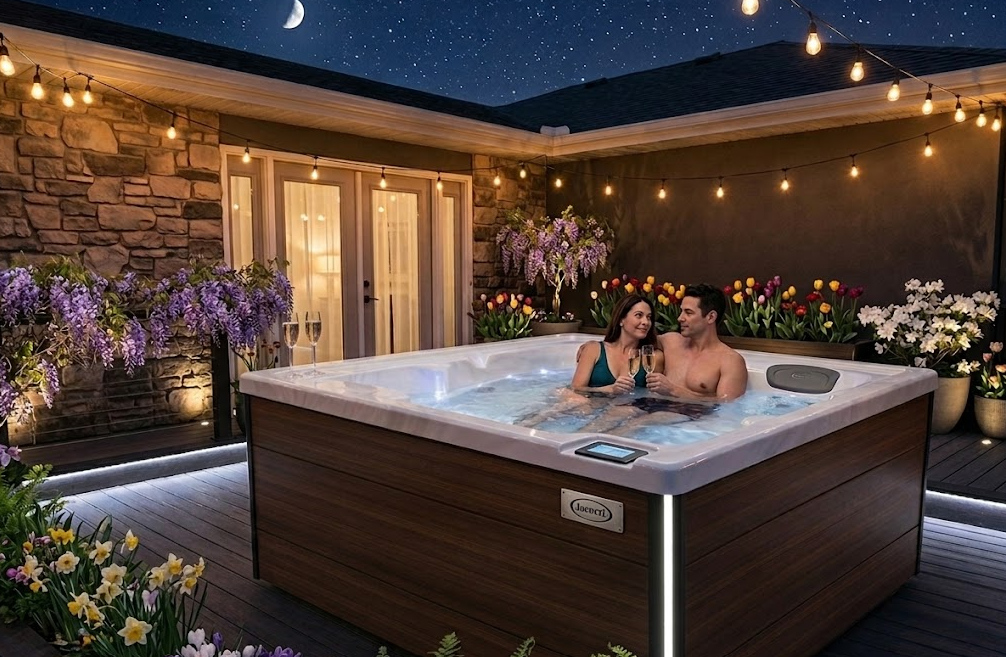





Imagine stepping into your own private wellness retreat every single day, without ever leaving your house. That dream is more achievable than you might think, and a home infrared sauna could be the investment that transforms your daily routine.
Infrared saunas have surged in popularity over the past few years, and for good reason. Unlike traditional steam saunas, they use gentle infrared light to heat your body directly, offering benefits that range from muscle recovery and stress relief to improved sleep and circulation. With so many options now available on the market, choosing the right one can feel overwhelming, especially if you are new to the world of home wellness equipment.
That is exactly why we created this guide. In the following list, we will walk you through everything a first-time buyer needs to know before making a purchase. From understanding the different types of infrared saunas and key safety features to budgeting tips and size considerations, this guide covers it all. By the end, you will feel confident and informed, ready to choose the perfect home infrared sauna for your needs and lifestyle.
What Is a Home Infrared Sauna?
A home infrared sauna is a personal wellness enclosure that uses infrared light wavelengths to generate heat directly within your body’s tissues, rather than raising the temperature of the air around you. This distinction matters more than it might initially seem. Traditional Finnish saunas work by superheating the surrounding air, often with the help of hot rocks and bursts of steam, until your body absorbs that intense environmental heat. Infrared saunas skip that intermediate step entirely, delivering warmth directly where it counts.
This difference in heat delivery translates into a noticeably different experience inside the cabinet. Infrared models typically operate at cabinet temperatures between 120°F and 150°F, while traditional saunas routinely reach 150°F to 195°F. The air inside an infrared sauna feels warm and dry rather than intensely hot or steamy, which many users describe as easier to settle into, especially for those new to sauna bathing. According to the Mayo Clinic’s overview of infrared sauna benefits, the lower ambient temperature does not diminish the therapeutic response; your body still responds meaningfully to the heat stimulus.
Because the surrounding air stays cooler and more breathable, most people find they can remain in an infrared sauna considerably longer per session. Where a traditional sauna session might last 15 to 20 minutes before the intensity becomes difficult to sustain, infrared sessions commonly run 30 to 45 minutes. That extended window allows for a more gradual, immersive experience that fits naturally into a daily wellness routine.
Home infrared saunas also come in formats that suit a wide range of spaces and budgets. Permanent wood-framed cabin units accommodate one to four people and are ideal for dedicated wellness rooms or finished basements. Portable fold-up models offer a compact option for smaller homes. Infrared blankets represent the most accessible entry point, wrapping around the body to deliver similar radiant heat without requiring any dedicated floor space at all. As detailed in this side-by-side comparison of traditional and infrared options, each format carries its own practical advantages depending on your living situation.
The global sauna market was valued at approximately $937 million in 2025 and is projected to reach $1.7 billion by 2035, reflecting the broad cultural shift toward home wellness investment. What was once considered a niche luxury reserved for high-end spas has evolved into a mainstream consideration for homeowners evaluating long-term health and lifestyle upgrades. At Premium Spas and Billiards, we have seen this shift firsthand, with more families approaching infrared saunas the same way they evaluate gym memberships or home fitness equipment: as a practical, ongoing investment in how they feel every day.
Health Benefits of Regular Infrared Sauna Use
The science behind home infrared sauna use has matured considerably in recent years, with a growing body of research supporting benefits that span cardiovascular health, physical recovery, stress relief, and more. Whether you are new to sauna wellness or simply exploring your options, understanding what regular sessions can do for your body and mind makes the investment far easier to justify.
1. Cardiovascular Support and Circulation
One of the most compelling reasons homeowners are turning to infrared saunas is the documented impact on heart health. Research published in peer-reviewed cardiovascular journals has found that regular sauna use is associated with meaningful improvements in heart function, arterial flexibility, and circulation. The infrared heat gently elevates your heart rate in a way that researchers compare to walking at a moderate pace, creating a cardiovascular stimulus without high-impact physical strain. A landmark Finnish study following more than 2,300 men over two decades found that frequent sauna use was linked to a significantly reduced risk of cardiac events and all-cause mortality. For homeowners who want to support their heart health as part of a broader wellness routine, this benefit alone makes a strong case. You can explore far-infrared sauna evidence on cardiovascular risk factors through published clinical reviews for a deeper look at the research.
2. Muscle Recovery and Pain Relief
Infrared heat penetrates several centimeters into soft tissue, reaching muscles, joints, and connective tissue more effectively than the surface-level warmth of conventional heated air. This depth of penetration raises core body temperature slightly, which encourages blood vessel dilation, accelerates circulation to fatigued areas, and helps reduce post-workout inflammation. Athletes and active adults frequently report relief from sore muscles and joint stiffness after consistent sessions. Clinical studies have also suggested that infrared sauna therapy may support outcomes for individuals managing chronic pain, making it a valuable tool well beyond post-exercise recovery. For busy households, having this recovery resource at home removes the need for a gym visit or professional treatment appointment.
3. Stress Reduction and Sleep Quality
Regular sauna sessions are consistently associated with lower cortisol levels, which is the body’s primary stress hormone. When cortisol decreases, the ripple effect on overall wellness is significant, including improved mood, better sleep quality, and a restored sense of calm. The warmth of an infrared session triggers a natural relaxation response in the body, helping to quiet the nervous system after a demanding day. Many users report falling asleep more easily and waking more refreshed when sauna use becomes a consistent part of their weekly routine.
4. Natural Detoxification and Skin Health
Sweating is one of the body’s primary methods for eliminating unwanted compounds, and infrared saunas are particularly effective at encouraging a deep, productive sweat. Regular sessions support the excretion of trace metals and environmental compounds through perspiration, complementing the liver and kidneys in the body’s natural detoxification process. Over time, many users notice improvements in skin clarity and texture as a secondary benefit of consistent use. Some research has also pointed to increased skin collagen density when infrared sessions are maintained regularly, adding a cosmetic dimension to the wellness value.
5. A Realistic Routine for Busy Homeowners
One of the most practical advantages of owning a home infrared sauna is how easily it fits into a real schedule. Sessions of 15 to 20 minutes, repeated three to four times per week, are widely considered sufficient to begin experiencing measurable wellness benefits. Because infrared saunas operate at lower temperatures than traditional saunas, typically between 120 and 150 degrees Fahrenheit, sessions feel comfortable and accessible even for first-time users. Having a unit at home eliminates the commute and schedule coordination that come with spa or gym visits, making consistency far more achievable. The evidence-based infrared sauna benefits guide provides a thorough breakdown of how these benefits compound over weeks and months of regular use, reinforcing that small, consistent sessions yield the most meaningful long-term results.
Types of Home Infrared Saunas: Which One Is Right for You?
Not all home infrared saunas are built the same, and understanding the differences between wavelength types will help you choose the experience that fits your wellness goals. Here is a breakdown of the five main categories you will encounter as you explore your options.
1. Far Infrared (FIR): The Everyday Wellness Standard
Far infrared is the most widely available and most extensively studied infrared wavelength used in home saunas today. FIR heaters produce deep-penetrating warmth that is absorbed directly by body tissues, typically at cabin temperatures ranging from 120°F to 165°F, making sessions far more comfortable than traditional saunas for daily use. This gentler heat profile is one reason FIR has become the go-to choice for relaxation, post-workout recovery, and regular detox routines. If you are new to home sauna ownership and want a reliable, well-documented starting point, a far infrared cabin is the most straightforward entry into the category. According to Verywell Fit’s comprehensive review of 150+ infrared sauna sessions, home infrared saunas consistently deliver results comparable to far more expensive commercial options.
2. Near Infrared (NIR): Surface-Level Rejuvenation
Near infrared wavelengths are shorter than FIR and primarily interact with the skin’s surface layers rather than penetrating deep into muscle tissue. The benefits most commonly associated with NIR include skin rejuvenation, support for wound healing, and cellular energy production through a process known as photobiomodulation. NIR is rarely offered as a standalone home sauna product; instead, it is most often integrated into full-spectrum cabins or paired with red light therapy panels. If skin health and cellular renewal are priorities for you, look for units that specifically include NIR emitters alongside other wavelengths.
3. Mid Infrared (MIR): Circulation and Cardiovascular Support
Mid infrared bridges the gap between near and far wavelengths, penetrating deeper into soft tissue than NIR while still offering surface-level benefits. MIR is particularly associated with improved circulation and cardiovascular support, making it a meaningful addition for users focused on heart health and muscle recovery. Like NIR, mid infrared is most commonly found within full-spectrum sauna units rather than sold as a standalone format.
4. Full-Spectrum Infrared: The Premium All-in-One Option
Full-spectrum infrared saunas combine near, mid, and far wavelengths into a single cabin, delivering the broadest potential range of therapeutic benefits in one session. This category has emerged as the fastest-growing premium segment in the infrared sauna market through 2026, reflecting consumer demand for comprehensive wellness tools rather than single-purpose products. A 2026 use-case guide for indoor infrared saunas confirms full-spectrum units as the top-tier choice for buyers who want versatility and long-term value from their investment. Full-spectrum options now span a wide price range, making them increasingly accessible beyond just luxury budgets.
5. Portable Saunas and Infrared Blankets: A Starting Point With Trade-Offs
Portable infrared saunas and sauna blankets occupy the budget end of the market, with some options available for a few hundred dollars. They offer an accessible introduction to infrared heat therapy and are practical for renters or anyone working with strict space limitations. That said, they deliver a meaningfully different experience compared to dedicated cabin units. Blanket and portable formats cannot replicate the full-body ambient warmth, comfortable seating, or heater output of a purpose-built cabin sauna. If your lifestyle allows for a permanent installation, a cabin unit will provide a substantially more rewarding and sustainable wellness routine over time.
What Size Infrared Sauna Does Your Home Actually Need?
Choosing the right size for your home infrared sauna is one of the most practical decisions you will make before purchasing, and getting it right from the start saves both money and frustration. The good news is that infrared cabin saunas are available in a wide range of footprints, making it genuinely possible to find a model that fits your space, your household, and your wellness goals.
1. One-Person Saunas: A Private Wellness Retreat in Minimal Space
Solo infrared saunas are the most compact option available and an excellent starting point for anyone new to home sauna ownership. These units typically require as little as 35 to 40 square feet of floor space, which makes them surprisingly adaptable to a spare bedroom corner, a finished basement nook, or even a large bathroom. Because infrared heating does not rely on large rock heaters or extensive ventilation clearance, single-person models can slip into spaces that would never accommodate a traditional sauna. If your wellness routine is primarily personal and you are working with limited square footage, a one-person cabin sauna is a smart, efficient investment.
2. Two-Person Saunas: The Most Popular Choice for Couples and Households
According to home sauna size guidance from industry experts, two-person models consistently rank as the most popular category among residential buyers. These units typically fit within a 4-foot by 4-foot to 4-foot by 6-foot footprint, providing comfortable side-by-side seating without overwhelming a standard room. For couples who want to share their wellness routine, or for solo users who simply appreciate a more spacious interior with room to stretch out, the two-person model strikes an ideal balance between comfort and practicality.
3. Three- to Four-Person Saunas: Built for Family Flexibility
Households with multiple regular users will find that three- to four-person infrared saunas offer the versatility they need. These models generally require a dedicated area of at least 60 to 80 square feet when accounting for the unit footprint plus access clearance, and they work well in garages, finished basements, or larger spare rooms. As noted in size-focused buying resources for infrared saunas, a well-planned layout in this size range allows users to sit comfortably and even recline, which is particularly beneficial for longer infrared therapy sessions targeting muscle recovery and stress relief.
4. Five- and Six-Person Saunas: Designed for Families and Entertaining
Larger cabin saunas in the five- to six-person range are ideal for active households or homeowners who enjoy sharing their wellness space with guests. These units are frequently installed outdoors as dedicated backyard wellness structures, which removes the constraints of indoor ceiling height and room dimensions entirely. An outdoor placement also complements other backyard investments, creating a cohesive retreat environment. If you are already considering a hot tub or swim spa for your outdoor space, pairing it with a larger sauna transforms your yard into a true four-season wellness destination.
5. Ceiling Height: The Planning Detail Most Buyers Overlook
Beyond floor space, ceiling height is a critical variable that often catches first-time buyers off guard. Most cabin saunas require a minimum of 7 feet of ceiling clearance to allow for proper heat distribution from the infrared panels and comfortable standing room inside the unit. Basements and finished lower levels frequently fall just short of this threshold, so measuring your vertical clearance before selecting a model is essential. Reviewing detailed sauna dimension guides before finalizing your choice will help ensure the unit you select fits your space precisely, avoiding costly adjustments after delivery.
EMF Safety in Infrared Saunas: What Every Buyer Should Know
For health-conscious buyers researching a home infrared sauna, EMF safety is one of the most frequently asked questions, and it deserves a clear, honest answer. EMF stands for electromagnetic field, the invisible energy emitted by virtually any electrical device, from smartphones to kitchen appliances. ELF, or extremely low frequency electromagnetic field, is a related but separately measured category of emission. Both are produced at low levels by infrared heater panels, and because sauna users typically sit just inches from those panels for sessions lasting 30 minutes or more, understanding what you are actually exposed to is a reasonable and worthwhile concern.
The phrase “low EMF” has become standard marketing language across the infrared sauna industry, but not all claims carry equal weight. Reputable manufacturers go beyond self-reporting by commissioning independent, third-party testing firms to measure their heater panels under real operating conditions. The resulting gauss readings are then published publicly so buyers can evaluate actual emission levels rather than relying on promotional copy alone. When reviewing any model, look for documentation that includes specific numerical readings rather than vague assurances. You can learn more about what these numbers mean and why they matter through resources like this guide to low-EMF infrared saunas.
One critical detail that many first-time buyers overlook is where the EMF measurement was actually taken. A reading recorded directly at the heater surface will be significantly higher than one recorded at seated body distance, which is the position where you actually experience the sauna. Always ask for test data showing certified EMF levels at realistic user distance, not just surface-level figures. This distinction is a meaningful quality indicator when comparing models side by side, and resources like Infrared Sauna Safety 101 offer helpful context on both EMF and ELF ratings.
Heater panel technology also plays a direct role in EMF output. Carbon fiber and carbon nano heater panels consistently produce lower EMF readings compared to older ceramic rod designs, making heater type an important factor in any EMF-conscious purchasing decision. Pairing this knowledge with verified test documentation gives you a much clearer picture than brand marketing alone.
Before committing to any purchase, ask a knowledgeable sauna specialist to walk you through the EMF testing documentation specific to the models you are considering. A trusted advisor at Premium Spas and Billiards can help you compare options, interpret test results, and find a home infrared sauna that aligns with both your wellness priorities and your peace of mind.
How Much Does a Home Infrared Sauna Cost, and Is It Worth It?
Understanding the investment involved in a home infrared sauna helps you make a confident, informed decision rather than a reactive one. Costs vary widely depending on format, size, and features, but every price tier offers meaningful value when matched to the right buyer.
Entry-Level: Blankets and Portable Units ($200 to $800)
If you are curious about infrared therapy but not yet ready to commit to a permanent installation, blankets and basic portable units offer the lowest barrier to entry. These products typically range from $200 to $800 and can introduce you to the warming, relaxing sensation of infrared heat. However, they come with real limitations. You cannot sit comfortably, share the experience with a partner, or enjoy the immersive cabin environment that most people associate with a true sauna session. For homeowners serious about building a long-term wellness routine, these entry-level formats are better viewed as a starting point than a destination.
Mid-Range Cabin Saunas: The Most Popular First Investment ($1,500 to $4,000)
One- to two-person cabin infrared saunas in the $1,500 to $4,000 range represent the most active purchase tier for first-time home sauna buyers. These units offer genuine full-body immersion, comfortable cedar or hemlock bench seating, and reliable far-infrared heater panels, all within a footprint that fits most spare bedrooms, basements, or covered patios. This tier balances meaningful health utility with a manageable upfront cost, making it the natural starting point for homeowners who are ready to commit to a dedicated wellness space without stretching their budget.
Premium Full-Spectrum Cabin Saunas ($4,000 to $9,000 and Above)
Two- to four-person full-spectrum cabin saunas occupy the upper tier of the market, typically priced from $4,000 to $9,000 or more depending on size and configuration. These models combine near-, mid-, and far-infrared wavelengths for a more comprehensive therapeutic experience, and they often include features such as app-controlled scheduling, chromotherapy lighting systems, built-in audio, and premium kiln-dried wood construction. For households where multiple family members will use the sauna regularly, or for buyers who want a centerpiece wellness feature in their home, this tier delivers an experience that genuinely rivals high-end day spa environments. You can explore how home sauna ownership compares financially to spa memberships in detailed cost breakdowns that reinforce the long-term value of owning versus renting access.
The True Cost of Ownership: Running a Home Infrared Sauna Daily
One of the most reassuring facts about infrared sauna ownership is how affordable daily operation actually is. A typical infrared sauna session of 30 to 45 minutes costs between $0.25 and $1.00 in electricity, depending on your model’s wattage and your local utility rate. Annually, that translates to roughly $180 for regular use, a figure that becomes almost negligible when weighed against the health and lifestyle benefits you receive. It is also worth budgeting for installation details such as a dedicated electrical circuit, which can add $200 to $500 depending on your home’s existing wiring, but this is a one-time cost rather than a recurring expense.
Comparing the Math: Home Sauna Versus a Spa Membership
The financial case for owning a home infrared sauna becomes especially compelling when you compare it honestly against the ongoing cost of a spa membership. A mid-range spa membership averages $80 to $150 per month nationally. Over three years, that is $2,880 to $5,400 spent on access you do not own, in a facility operating on someone else’s schedule. Research consistently shows that a significant portion of members pay monthly fees without visiting regularly, meaning the effective cost per actual session is often much higher than it appears. A quality one- to two-person cabin sauna purchased in that same budget range gives you unlimited, on-demand access every day of the year, in the privacy of your own home. As this in-depth comparison of home sauna versus spa membership costs illustrates, the long-term math strongly favors ownership for anyone committed to regular sauna use. For homeowners ready to stop renting wellness and start owning it, the investment is not just financially sound; it is a lifestyle upgrade that delivers returns every single day.
Home Infrared Sauna Installation: What to Expect
One of the most pleasant surprises for first-time buyers is how straightforward home infrared sauna installation actually is. Unlike a built-in traditional sauna room, most infrared cabin models are designed to fit into your existing home with minimal preparation.
Electrical Requirements Made Simple
Most one- and two-person infrared cabin saunas operate on a standard 120V household outlet, making them genuinely plug-and-play from day one. You simply assemble the pre-built panels, position the unit in your chosen space, and plug it in. Larger models accommodating three or more people typically require a dedicated 240V circuit, which means coordinating with a licensed electrician before delivery. Knowing your intended sauna size ahead of time allows you to handle any electrical preparation well in advance, so installation day goes smoothly.
Choosing Your Indoor Location
Finished basements, converted spare rooms, master bathroom additions, and dedicated home gym spaces all work exceptionally well as indoor sauna locations. The core requirements are straightforward: a level floor, adequate ceiling height to accommodate the unit, and proximity to the correct electrical outlet. Because infrared cabin saunas are self-contained, pre-paneled units, they do not require permanent structural modifications to your home. This also means the sauna can be disassembled and relocated if your living situation changes, which is a meaningful advantage over traditional built-in construction.
Outdoor Installation as a Practical Alternative
For homeowners with limited indoor square footage, outdoor infrared sauna installation is a popular and fully practical option. Outdoor-rated infrared cabin saunas are constructed from weather-resistant cedar or hemlock, both of which handle temperature fluctuation and moisture exposure exceptionally well. A stable, level base, whether a concrete pad, reinforced deck, or existing patio surface, is the primary site requirement. Some jurisdictions may also require a permit for outdoor installations, so checking with your local municipality before purchase is always a good idea.
No Waterproofing or Ventilation Required
One of the most significant installation advantages infrared saunas hold over traditional steam saunas is the absence of moisture-related construction requirements. Because infrared cabins produce dry radiant heat rather than steam, installing an infrared sauna at home requires no waterproof flooring, no floor drain, and no dedicated exhaust or ventilation system. This reduces both the construction scope and associated costs considerably compared to a traditional sauna room build.
The Value of Professional Installation Support
Working with a specialty retailer that provides white-glove delivery and professional installation support removes the guesswork entirely. The team at Premium Spas & Billiards guides customers through placement decisions, electrical preparation, and assembly from start to finish, ensuring every sauna is set up safely, correctly, and in the ideal location for your home and lifestyle.
Pairing Your Infrared Sauna with a Hot Tub or Swim Spa
Pairing your home infrared sauna with a hot tub or swim spa unlocks one of the most effective wellness protocols available: contrast therapy. This practice, which alternates between heat exposure and water immersion, is widely used by athletes, physical therapists, and wellness practitioners to accelerate muscle recovery, reduce inflammation, and support cardiovascular health. The good news is that you no longer need a professional sports facility or luxury spa to access these benefits. A thoughtfully designed backyard setup brings this research-backed protocol directly into your daily routine.
The recommended approach is straightforward for beginners. Begin with 15 to 20 minutes in your infrared sauna to elevate core body temperature, improve circulation, and deeply warm muscle tissue. Your infrared sauna operates at a comfortable 120°F to 150°F, allowing the radiant heat to penetrate up to two inches into tissue without the intensity of a traditional sauna. Once your session concludes, transition directly to your hot tub or swim spa. The shift from dry infrared heat to warm hydrotherapy sustains cardiovascular engagement while introducing joint decompression and water-assisted muscle relief, creating a layered recovery experience that neither environment delivers alone.
If your wellness goals include active recovery, a swim spa deserves serious consideration as your companion piece. Unlike a standard hot tub, a swim spa features adjustable water jets that can be directed toward specific muscle groups, making it especially effective for runners, cyclists, and anyone managing chronic tension in the back, shoulders, or legs. The larger water volume also allows light resistance movement after your sauna session, adding a gentle rehabilitative dimension to your routine. For households focused primarily on relaxation and stress relief, a hot tub paired with your infrared sauna creates an equally rewarding wind-down ritual, particularly during colder months when the combination supports better sleep and seasonal wellness.
Beyond individual recovery, designing a complete backyard wellness space around both a sauna and a hot tub or swim spa creates a shared environment that benefits the entire household year-round. Both infrared saunas and quality hot tubs are engineered for four-season performance, meaning your investment delivers value in January just as readily as in July. The result is a daily reset space that supports physical health, reduces stress, and encourages meaningful family time, all from the comfort of your own property.
At Premium Spas & Billiards, we carry a carefully selected range of infrared saunas alongside hot tubs and swim spas, making it easy to plan a cohesive setup with guidance from one experienced team. To explore the science behind contrast therapy sequencing before you visit, or to review infrared and cold plunge protocols that inform modern recovery practices, these resources offer helpful context as you shape your ideal home wellness retreat.
How to Choose the Right Home Infrared Sauna for Your Lifestyle
With a clearer picture of infrared sauna costs, installation requirements, and health benefits in mind, the next step is matching all of that knowledge to your specific situation. Choosing the right home infrared sauna comes down to five practical considerations that work together to guide you toward a purchase you will genuinely use and enjoy for years.
1. Start with your primary use case. A solo user seeking daily stress relief and a quiet decompression ritual will be well served by a compact one- to two-person far infrared cabin. These models are space-efficient, affordable, and purpose-built for the kind of consistent, restorative sessions that deliver the most meaningful long-term benefits. Households focused on athletic recovery, family wellness, or shared use will find more value in a three- to four-person full-spectrum model, which combines near, mid, and far infrared wavelengths to support everything from muscle recovery to improved circulation. Thinking honestly about how many people will use the sauna and how often is the single most important filter you can apply before comparing any specifications.
2. Build a realistic total budget. Many buyers focus on the unit price and overlook the full cost of ownership. A complete budget should account for the purchase price, delivery, any electrical upgrades, and optional accessories such as chromotherapy lighting, audio systems, or aromatherapy attachments. These add-ons enhance the experience considerably but can add several hundred dollars to your total investment if not planned for in advance.
3. Evaluate heater type and EMF certification. Carbon fiber panel heaters distribute heat more evenly and consistently carry low-EMF certifications compared to ceramic rod alternatives. The Forbes Vetted guide to best home saunas reinforces that EMF performance and heater quality are among the most important criteria for discerning buyers. A modest step up in budget for a certified low-EMF model is an investment in both comfort and peace of mind.
4. Consider the wood species in the cabin. Western red cedar is widely regarded as the premium choice, offering natural antimicrobial properties and a warm, distinctive aroma. Hemlock and basswood are excellent alternatives for buyers who prefer a neutral, unscented environment, and both species offer durable, smooth-grain construction that holds up well over time.
5. Work with a knowledgeable dealer. Before finalizing any purchase, ask directly about warranty coverage, replacement part availability, and what post-sale support actually looks like. A specialist who takes the time to understand your space, usage goals, and budget will help you avoid the buyer regret that often follows an uninformed online purchase.
Infrared vs. Traditional Sauna: A Quick Comparison for Home Buyers
If you have spent any time researching home saunas, you have likely encountered both infrared and traditional options side by side. Understanding the core differences between the two helps you make a confident decision rather than a confusing one.
1. Traditional Saunas: Intense Heat and Authentic Ritual
Traditional saunas heat the surrounding air using electric or wood-burning stoves, driving ambient temperatures to a range of 150°F to 195°F. This intense convective heat environment is what dedicated sauna enthusiasts often seek out. A defining feature of the traditional experience is the ability to pour water over heated rocks, producing a burst of steam known in Finnish culture as löyly. This ritual is deeply embedded in Finnish sauna tradition and remains a meaningful part of the experience for those who value authenticity alongside the health benefits.
2. Infrared Saunas: Accessible, Lower-Temperature Wellness
A home infrared sauna operates at a significantly gentler range of 120°F to 150°F, using radiant infrared panels to warm the body directly rather than heating the air around you. Many users find this easier to tolerate, especially beginners who may feel overwhelmed by the extreme heat of a traditional session. The lower ambient temperature often allows for longer, more comfortable sessions, making regular use a more realistic habit for most households.
3. Installation Considerations
Traditional saunas require thoughtful planning around ventilation, moisture management, and in the case of wood-burning models, proper flue installation. Infrared cabins are considerably simpler; many plug into standard household outlets and can be placed in a spare room, basement, or even a bedroom with minimal preparation.
4. The Hybrid Option
Hybrid sauna models, which combine infrared heating panels with a traditional stove and rock heater, are now a growing product segment. They give buyers the freedom to alternate between low-temperature infrared sessions and high-heat traditional steam experiences depending on the day.
5. There Is No Single Right Answer
The better choice genuinely depends on your personal preferences, available space, and wellness goals. If the cultural ritual and intense heat of traditional Finnish sauna culture resonate with you, that experience is irreplaceable. If accessibility, easier installation, and a gentler introduction to sauna wellness are your priorities, a home infrared sauna is a compelling fit. Both formats deliver meaningful relaxation, recovery, and long-term wellness value.
Your Next Step Toward a Home Infrared Sauna
By this point, you have explored the key decisions that shape a smart home infrared sauna purchase. To bring it all together, focus on these five priorities: infrared type (far, near, mid, or full-spectrum), cabin size relative to your available space, verified EMF certification from third-party testing, installation requirements for your electrical setup, and your total budget including accessories and delivery. Each of these factors works in combination, and getting clarity on all five before you buy ensures the sauna you choose fits seamlessly into your home and your lifestyle.
The long-term value of ownership is significant. Rather than paying recurring gym or spa membership fees month after month, a home infrared sauna converts that ongoing expense into a one-time investment that delivers daily, on-demand wellness for years to come. The benefits compound over time as consistent sessions support recovery, stress relief, and overall well-being.
At Premium Spas & Billiards, our team is ready to guide you through every step, from selecting the right model to exploring pairing options with a hot tub or swim spa for a complete home wellness retreat. Visit our showroom or browse our sauna collection online, and speak with a wellness consultant who can match the right solution to your space, goals, and budget.
Conclusion
Investing in a home infrared sauna is one of the most meaningful upgrades you can make to your wellness routine. As you move forward, keep these key takeaways in mind: understand the difference between infrared types before committing, measure your available space carefully, prioritize safety certifications over flashy features, and set a realistic budget that accounts for long-term value.
The right sauna is not just a purchase; it is a daily ritual that supports your physical recovery, mental clarity, and overall quality of life.
Now it is time to take action. Review the options outlined in this guide, compare them against your personal needs, and make a confident, informed choice. Your private wellness retreat is closer than you think. Start building it today.