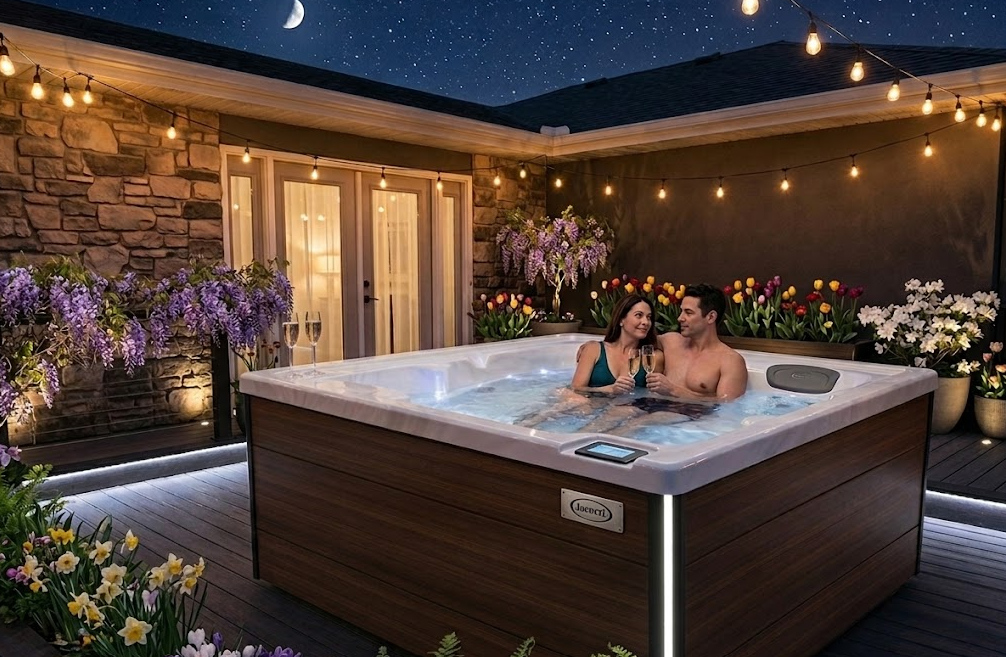





Imagine stepping into a warm, enveloping heat that penetrates deep into your muscles, easing tension and promoting relaxation without overwhelming your senses. Saunas have captivated wellness enthusiasts for centuries with promises of detoxification, better sleep, and stress relief. Yet, if you are new to this rejuvenating practice, you might wonder: which type is best for beginners?
Enter the infrared sauna, a modern innovation that is gaining popularity for its gentle approach to heat therapy. Unlike traditional saunas, which rely on high-temperature steam or heated rocks to warm the air around you, infrared saunas use light waves to directly heat your body. This fundamental difference sparks curiosity among those exploring sauna benefits for the first time.
In this comparison, we break down the key distinctions between infrared saunas and traditional saunas. You will learn how they operate, their unique health advantages, safety considerations, and installation needs. By the end, you will have the knowledge to decide which option aligns with your lifestyle and wellness goals, empowering you to make an informed choice.
What Is an Infrared Sauna?
Infrared saunas represent a modern evolution in home wellness, offering a gentler alternative to traditional saunas by using infrared light waves to heat your body directly rather than the surrounding air. These invisible waves penetrate 1-1.5 inches into the skin, warming muscles, joints, and tissues from within to promote deep sweating, improved circulation, and detoxification. Unlike conventional saunas that rely on superheated ambient air reaching 180-200°F, infrared models create a more comfortable experience focused on radiant heat absorption. This direct approach elevates heart rate similar to moderate exercise, supporting benefits like reduced inflammation, muscle recovery, and stress relief, all while being accessible for beginners.
Gentler Temperatures for Longer, More Enjoyable Sessions
Operating at 100-150°F, infrared saunas allow for extended sessions up to 45 minutes, compared to the shorter 15-20 minutes typical in hotter traditional setups. Beginners can start with 10-15 minutes and gradually build tolerance, making it ideal for daily relaxation rituals. Studies link frequent use to a 40-60% lower risk of heart disease, alongside improvements in sleep, skin health, and chronic pain relief from conditions like arthritis. For instance, WebMD outlines key health benefits, emphasizing hydration and doctor consultation for safe integration into your routine.
Types and Cutting-Edge Features
Full-spectrum infrared saunas combine near-, mid-, and far-infrared wavelengths for comprehensive wellness: near for skin rejuvenation, mid for circulation and pain relief, and far for deep detox. Trends lean toward low-EMF heaters, minimizing electromagnetic exposure, paired with add-ons like red light therapy for enhanced recovery. Explore infrared sauna basics to understand these options.
Effortless Setup for Year-Round Home Wellness
Energy-efficient by design, infrared saunas use 30-50% less power and plug into standard outlets, with easy assembly in 1-2 hours for indoor rooms, garages, or backyard enclosures. Perfect alongside hot tubs or swim spas, they enable seamless lifestyle upgrades at Premium Spas & Billiards, fostering family relaxation year-round. The U.S. infrared sauna market, projected to grow from $290.85 million in 2025 to $378.70 million by 2030, underscores their rising popularity for sustainable home retreats.
Traditional Saunas Explained
Traditional saunas offer a time-honored approach to wellness, contrasting with the direct body heating of infrared saunas by warming the surrounding air to intense levels of 180-200°F. These saunas rely on powerful heaters, often wood-burning, electric, or gas-powered, to superheat a pile of volcanic rocks like olivine diabase. Users can pour water over the rocks to create löyly, a burst of steam that spikes humidity and amplifies the heat’s penetration. Wood-fired models evoke an authentic ritual with their smoky aroma, taking 45-90 minutes to reach peak temperature, while electric heaters provide precise control in 30-60 minutes using 4.5-9 kW of power. This method ensures even, enveloping warmth that fills the wooden cabin completely. For beginners, starting with shorter 10-minute sessions helps acclimate to the intensity.
The hallmark of traditional saunas is their profound, all-encompassing heat, which triggers heavy sweating far more aggressively than milder infrared options. In dry conditions at 10-20% humidity, the superheated air drives rapid perspiration for deep detoxification and improved circulation. Adding steam creates wet bursts that feel invigorating, enhancing skin cleansing and muscle relaxation ideal for post-workout recovery. Studies link frequent use to a 40-60% lower risk of heart disease, making it a potent tool for stress relief and cardiovascular health. Sessions promote mental clarity and family bonding, perfect for winter evenings when craving cozy warmth.
Popular styles include Finnish dry saunas, with low humidity and pure wood interiors for simplicity, and wet steam rooms at 90-120°F with near-100% moisture in tiled enclosures. These require ample space, like 4-10 person cabins with long benches, plus strong ventilation and drainage to manage heat and humidity. Unlike compact infrared models, they demand professional installation for safety.
Rooted in Finnish culture for over 2,000 years, traditional saunas serve as social hubs for gatherings, storytelling, and relaxation, fostering connection in home retreats. At Premium Spas & Billiards, explore these alongside infrared saunas, hot tubs, and swim spas to craft your ultimate wellness space. Infrared vs. traditional sauna comparison Which sauna is better for you Traditional sauna guide
Heat Delivery and Experience Compared
When comparing infrared saunas to traditional saunas, the most striking difference lies in their heat delivery methods, which profoundly shape the overall experience. Infrared saunas employ electromagnetic waves from carbon or ceramic panels to directly heat the body, penetrating 1-1.5 inches into the skin at comfortable temperatures of 110-150°F. This gentle approach allows you to start sweating within 10 minutes without the overwhelming ambient heat. In contrast, traditional saunas heat the air itself to 160-220°F using rocks or heaters, delivering indirect convective warmth that feels intense right away, often amplified by steam for a deeper, enveloping effect. For beginners at Premium Spas & Billiards, this makes infrared an ideal entry point into home wellness routines, promoting detoxification and circulation through efficient, low-strain sweating. Infrared vs. traditional sauna benefits
Session Lengths: Longer, More Sustainable Comfort
Infrared sessions typically last 30-45 minutes, giving you ample time to unwind, recover from workouts, or melt away daily stress. The lower temperatures prevent rapid fatigue, enabling consistent use 3-4 times weekly for benefits like reduced inflammation and improved sleep. Traditional saunas, however, cap at 15-20 minutes due to the high heat buildup, which elevates heart rate akin to moderate exercise but demands frequent breaks. Start with 10-15 minutes in either, gradually building tolerance, as recommended by wellness experts. This extended infrared time transforms your sauna into a daily ritual, complementing hot tubs or swim spas for full-body recovery in your backyard retreat.
Comfort for Beginners and Everyday Use
Infrared saunas lower the barrier for newcomers with their milder warmth, making them perfect post-workout or for stress relief without exhaustion. They suit those sensitive to heat, aiding muscle recovery by boosting blood flow up to 200% and easing chronic pain. Traditional options, while powerful for seasoned users, can feel daunting initially due to the hot air enveloping lungs and skin. At Premium Spas & Billiards, we guide beginners toward infrared for seamless integration into family wellness spaces alongside game room upgrades. Key differences in infrared and traditional saunas
The Sensory Experience
Users often describe infrared saunas as a “warm embrace,” like gentle sunlight fostering meditative relaxation. Traditional saunas evoke an “intense steam bath,” delivering profound sweat and invigoration but with a more demanding edge. Both enhance lifestyle through heart health gains, like a 40-60% reduced risk of cardiovascular issues with regular use. Choose infrared for approachable luxury in your home sanctuary. Infrared vs. traditional for home use
Health Benefits of Infrared Saunas
Infrared saunas deliver a wealth of health benefits that extend far beyond simple relaxation, making them a cornerstone of modern home wellness routines. By penetrating deeper into the body at gentler temperatures, they trigger physiological responses akin to moderate exercise, such as elevated heart rate and profuse sweating. These effects promote overall vitality, supporting everything from daily recovery to long-term disease prevention. For beginners, starting with 15- to 20-minute sessions a few times weekly can yield noticeable improvements, and pairing an infrared sauna with a hot tub or swim spa from Premium Spas & Billiards creates a complete backyard or indoor retreat for year-round stress relief.
Detoxification Through Deep Sweating and Improved Circulation
Infrared saunas excel at inducing deep, therapeutic sweating at comfortable temperatures between 113 and 160 degrees Fahrenheit, which helps flush toxins through the skin while enhancing circulation. This process mimics cardiovascular exercise, increasing blood flow and vasodilation to deliver oxygen and nutrients more efficiently to muscles and organs. According to the Mayo Clinic, this vigorous sweating elevates core body temperature, potentially aiding the body’s natural elimination pathways, though hydration remains key to maximize benefits. Users often report feeling lighter and more energized post-session, with improved thermoregulation that supports everyday activities. To get started, drink plenty of water before and after, and consider models with low-EMF heaters for safe, home-friendly detoxification.
Pain Relief and Reduced Inflammation
Chronic pain sufferers find significant relief in infrared saunas, as the gentle heat reduces inflammation and eases conditions like arthritis and muscle soreness. Over 50 studies, including randomized controlled trials on rheumatoid arthritis and fibromyalgia patients, demonstrate pain reductions of 40 to 60 percent, with lasting effects on stiffness and fatigue. Heat shock proteins activated by the infrared waves help repair tissues and lower inflammatory markers, accelerating post-workout recovery for athletes or active families. A 2008 study involving 34 patients with arthritis showed short-term improvements without side effects, making it a tolerable option compared to higher-heat traditional saunas. Incorporate sessions after exercise or on sore days for optimal results.
Cardiovascular Perks and Beyond
Regular infrared sauna use correlates with a 40 to 60 percent lower risk of heart disease, as highlighted in a 2026 NPR report on extensive Finnish cohort data tracking over 2,000 participants. Frequent sessions (four to seven per week) improve blood pressure, cholesterol levels, and endothelial function, offering exercise-like benefits without physical strain. Beyond the heart, infrared therapy enhances skin health by boosting collagen production and circulation for a radiant glow. It also slashes stress through endorphin release and parasympathetic activation, leading to better sleep; surveys show 83 percent of users experience improved rest. The hormetic heat stress fosters longevity by building cellular resilience, reducing risks for dementia and other age-related issues. At Premium Spas & Billiards, our curated infrared saunas integrate seamlessly into wellness spaces alongside game room furniture, turning your home into a hub for health and family connection. Consult your doctor before starting, especially if you have health concerns.
Health Benefits of Traditional Saunas
Traditional saunas deliver profound health benefits through their intense heat, complementing the gentler approach of infrared saunas while offering unique advantages rooted in centuries of use. At temperatures of 180-200°F, they heat the surrounding air to raise core body temperature rapidly, inducing profuse sweating that rivals moderate cardio workouts. This shared detox pathway with infrared saunas enhances circulation by dilating blood vessels and boosting heart output, but the higher heat amplifies the effect for deeper lymphatic flow and excretion of toxins like heavy metals.
Detox and Circulation Boost via Intense Sweating
The hallmark of traditional saunas is their ability to trigger voluminous sweating, far exceeding infrared sessions due to the ambient heat. This process improves blood flow, reduces arterial stiffness, and elevates growth hormone levels by up to 200% post-session, aiding muscle recovery. Studies confirm better endothelial function and favorable lipid profiles, supporting skin health and mild detoxification. For beginners, start with 10-15 minute sessions, 3-4 times weekly, to experience these circulation gains akin to a brisk walk.
Respiratory Relief and Cardiovascular Endurance
Steam variants of traditional saunas provide added respiratory benefits by moistening airways, easing mucus buildup, and improving symptoms of allergies or colds, with dry types reducing pneumonia risk by 37-41%. Cardiovascular improvements shine through heat endurance training; frequent use mimics exercise to enhance VO2 max and blood pressure control. Landmark Finnish research, like the Kuopio Ischemic Heart Disease study (Mayo Clinic Proceedings review30275-1/fulltext)), shows 4-7 sessions per week slashing cardiovascular mortality by 50-63% and stroke risk by 62%.
Stress Relief and Endorphin Release
Comparable to infrared saunas, traditional heat sparks beta-endorphin surges up to three times normal levels, fostering a “runner’s high” that lowers cortisol and eases anxiety or depression symptoms by over 85% in users. This promotes theta brain waves for deep relaxation, overlapping infrared outcomes but intensified by the ritualistic warmth. Neuroscientist Andrew Huberman highlights traditional saunas for superior vasodilation (Huberman’s sauna recommendation).
Long-Term Protection Against Chronic Conditions
Decades of data affirm traditional saunas’ role in cutting all-cause mortality by 40%, dementia by 65%, and chronic pain like headaches by 44%, per long-term cohort studies (NPR on sauna science). Pair with hot tubs or swim spas at Premium Spas & Billiards for holistic winter wellness. Consult a doctor before starting, hydrate well, and envision this as your home’s enduring path to vitality.
Pros and Cons: Side-by-Side Analysis
When choosing between an infrared sauna and a traditional sauna for your home wellness retreat, weighing the pros and cons helps clarify which aligns best with your lifestyle, whether pairing it with a hot tub for recovery or a game room setup for family fun. Both options elevate relaxation and health benefits like detoxification and stress relief, but their differences in comfort, practicality, and upkeep stand out for beginners. At Premium Spas & Billiards, we guide homeowners through these choices to create balanced spaces blending saunas, swim spas, and entertainment like pool tables.
Infrared saunas shine with gentler heat at 120-165°F, making them ideal for all ages, including seniors or those new to saunas; sessions can last 30-45 minutes without overwhelming dehydration. They offer lower energy costs, using 30-60% less electricity than traditional models, with sessions costing just $0.15-0.50 at average rates. Installation is straightforward, often plug-and-play into a standard 120V outlet, requiring minimal space and no venting for quick setup in a basement or patio nook. However, some users miss the steamy, “authentic” ritual of traditional saunas, finding the dry heat less immersive for social gatherings.
Traditional saunas deliver intense detoxification through 150-220°F air heated by rocks and steam, fostering a communal atmosphere perfect for family bonding or holiday unwinding. This deep sweat supports robust circulation and recovery, mimicking moderate exercise for heart health benefits backed by studies showing up to 50% lower cardiovascular risk with regular use. Yet, the high temperatures often limit sessions to 10-20 minutes, posing challenges for heat-sensitive individuals, and they demand more maintenance like wood care and moisture control.
| Aspect | Infrared Sauna | Traditional Sauna |
|---|---|---|
| Energy Use | 1-3 kWh/hour; 20-30% less overall | 4-13 kWh/hour; higher monthly bills |
| Installation | Plug-and-play, DIY-friendly | Requires venting, electrician |
| Cost Range | $4,000-$9,000; low ongoing expenses | $4,000-$9,000; higher maintenance |
Energy-wise, an infrared sauna warms up in 10-20 minutes and runs efficiently, saving $10-20 monthly for daily users, ideal for year-round winter wellness without spiking bills. Traditional models need 30-45 minutes to preheat and dedicated venting, adding complexity. Upfront costs overlap at $4,000-$9,000 for 2-4 person units, but infrared’s ease and the home wellness boom, with U.S. market growth to $378 million by 2030, make it a trending choice for accessible luxury. Consider your space and routine; pairing either with game room furniture creates an inviting recovery zone. Our experts at Premium Spas & Billiards can demo options tailored to your backyard or indoor oasis.
2026 Trends in the Sauna Market
The sauna market in 2026 is experiencing explosive growth, particularly for infrared saunas, as homeowners prioritize at-home wellness solutions for detoxification, stress relief, and recovery. In the U.S., the infrared sauna segment stands at over $290 million, projected to reach $378.7 million by 2030 with a compound annual growth rate (CAGR) of 5.42%, outpacing broader sauna trends U.S. Infrared Sauna Market Report. Globally, the market is forecasted to expand from $1.89 billion in 2025 to $3.58 billion by 2032, driven by demand for energy-efficient, gentler alternatives to traditional saunas that heat the body directly at comfortable 100-150°F temperatures. This surge reflects a post-pandemic shift toward personalized health routines, where infrared options integrate seamlessly into backyards or basements alongside hot tubs and swim spas for complete relaxation setups.
Full-Spectrum Innovations and Smart Integrations
Full-spectrum infrared saunas dominate 2026 trends, combining near-, mid-, and far-infrared wavelengths for deeper penetration that enhances circulation, skin health, and muscle recovery compared to single-spectrum or traditional models. These advanced units often feature chromotherapy for mood-boosting color lights, app-based controls for customized sessions, and pairings with cold plunges for contrast therapy, promoting inflammation reduction and faster post-workout recovery. Beginners appreciate the user-friendly smart tech, like remote temperature adjustments via smartphone, making daily 20-30 minute sessions effortless. Pairing with a cold plunge mimics professional spa protocols at home, offering cardiovascular benefits akin to frequent traditional sauna use but with lower energy demands.
Sustainability at the Forefront
Sustainability shapes the market, with low-EMF designs and eco-friendly materials like FSC-certified woods gaining prominence amid rising eco-consciousness. Infrared saunas produce minimal electromagnetic fields, often below 3 milligauss, addressing health concerns while using less power than traditional saunas that require preheating to 180-200°F. This makes them ideal for year-round home use, supporting the wellness boom with non-toxic, low-VOC construction for safer family environments.
Winter Wellness for DC-Area Homes
In DC-area winters, infrared saunas shine for their ability to deliver body-warming heat without blasting ambient air, aiding joint pain relief and immune support during cold, humid months. Homeowners can enhance recovery year-round, envisioning a cozy indoor retreat paired with game room furniture for family bonding. At Premium Spas & Billiards, discover curated infrared options that elevate your lifestyle, blending luxury wellness with everyday accessibility.
How to Choose the Right Sauna for Home
Assess Your Space First
Choosing the right sauna starts with evaluating your available space, as infrared and traditional models have distinct footprints and installation needs. Infrared saunas shine in compact areas like basements, spare rooms, or even apartments, often measuring as small as 39x36x73 inches for two-person units, with no need for chimneys or heavy ventilation. They heat up in just 10-30 minutes using standard 120V outlets, making them ideal for quick indoor setups alongside a hot tub or game room furniture. Traditional saunas, by contrast, typically require more room, such as 54x63x79 inches for three-person models, suiting dedicated spaces like patios or larger basements where higher heat demands better airflow. For winter wellness, consider weatherproof outdoor infrared options that pair seamlessly with swim spas for year-round recovery. Measure your area with at least 2-12 inches of clearance, and visualize how it fits your home retreat.
Match Your Lifestyle Needs
Next, align the sauna with your daily routines and who will use it most. Infrared saunas suit solo or couples’ recovery sessions, offering 30-45 minute gentle heats at 115-150°F perfect for post-workout unwinding or quiet evenings, enhanced by Bluetooth audio and chromotherapy lights. They integrate effortlessly into busy lifestyles, promoting consistent use without overwhelming intensity. Traditional saunas excel for family entertainment, delivering social high-heat experiences at 180-200°F with steam rituals that mimic moderate exercise, ideal for gathering with loved ones during holiday seasons. A 2026 trend shows 73% of users experiencing better sleep and stress relief from regular sessions, making communal traditional setups a hit for basement game rooms with pool tables nearby. Picture infrared for personal detox after a long day, or traditional for lively family nights.
| Lifestyle Fit | Infrared Sauna Best For | Traditional Sauna Best For |
|---|---|---|
| Solo Recovery | Gentle, daily 30-45 min sessions | Shorter, intense bursts |
| Family/Social | Smaller 1-2 person with lights | Larger 3-5 person with steam |
Factor in Budget and Essential Features
Budget plays a key role, with entry-level infrared saunas starting at $1,800-$4,000 and premium models up to $10,000, offering low running costs of $0.20-0.50 per session thanks to 30-50% energy savings over traditional ones. Prioritize low-EMF technology (under 3 milligauss) using carbon heaters, lifetime warranties on wood and elements, and UL certifications for safety. Full-spectrum infrared with red light therapy is booming in 2026 for added skin and recovery benefits. Traditional options may cost similarly but demand higher energy. Consult experts at Premium Spas & Billiards for Finnleo saunas, known for customizable low-EMF designs in Nordic woods; their team guides selections from consultation to installation, ensuring durability for your wellness space.
Prioritize Health Goals and Safety
Finally, select based on specific wellness aims, always consulting your doctor first, especially for conditions like hypertension. Infrared saunas target pain relief, better sleep, and circulation, penetrating 1-1.5 inches deep to reduce inflammation and aid arthritis, with studies showing 40-60% lower heart disease risk from frequent use. Traditional saunas provide intense detoxification and cardiovascular boosts, cutting stroke risk by up to 62% in regular users. Both enhance recovery when paired with swim spas, but infrared’s gentler approach suits beginners. Hydrate well, limit sessions to 20-45 minutes 3-5 times weekly, and let Premium Spas & Billiards help tailor options for long-term lifestyle gains.
Building Your Home Wellness Retreat
Pairing Saunas with Hot Tubs or Swim Spas
Imagine elevating your relaxation routine by combining an infrared sauna with a hot tub or swim spa for a complete wellness circuit. Start with 20-30 minutes in the infrared sauna at comfortable 120-150°F temperatures to boost circulation, reduce inflammation, and promote detoxification through deep sweating. Follow with a soothing dip in a hot tub at 100-104°F for muscle recovery or use a swim spa for low-impact fitness swims that enhance cardiovascular health. This contrast therapy mimics professional recovery protocols, with studies showing frequent sauna use linked to a 40-60% lower risk of heart disease. For beginners, position these 6-8 feet apart in your backyard for safe, easy transitions. At Premium Spas & Billiards, curated pairings make this accessible, turning daily routines into rejuvenating rituals perfect for winter wellness.
Enhancing Backyard or Indoor Transformations
Transform your patio or basement into a versatile retreat by integrating saunas with game room elements for balanced wellness and fun. Outdoor setups pair weather-resistant infrared saunas under pergolas with hot tubs, creating year-round oases that boost home value by 40-55%. Indoors, compact infrared models fit seamlessly beside swim spas in basements, complemented by durable game room furniture. This hybrid approach supports recovery post-workout while offering space for family gatherings. Trends show home saunas driving 5% annual adoption growth, with the U.S. market projected to hit $311 million by 2033. Premium Spas & Billiards offers designs that blend luxury and practicality for effortless upgrades.
Creating Family-Friendly Wellness Zones
Design inclusive spaces where saunas promote health and pool tables spark joy for all ages. Family-sized infrared saunas encourage shared detox sessions that improve sleep and stress relief, ideal after active days. Pair them with premium pool tables, shuffleboard, or air hockey for entertainment that fosters connection without leaving home. These zones suit multi-generational households, with infrared’s gentle heat making it beginner-friendly for kids and seniors. Actionable tip: Zone basements with saunas near play areas for post-game recovery. Premium Spas & Billiards selections ensure durable, stylish setups.
Seamless Upgrades with Premium Spas & Billiards
Premium Spas & Billiards curates high-quality hot tubs, swim spas, saunas, and game room essentials like Olhausen pool tables for turnkey patio or basement makeovers. Our experts guide from consultation to installation, focusing on low-EMF infrared models with chromotherapy for enhanced benefits. Invest in long-term lifestyle gains, like reduced chronic pain and better recovery, backed by 50+ studies. Contact us to envision your personalized retreat blending wellness and entertainment.
Conclusion: Elevate Your Wellness Journey
In summary, infrared saunas provide gentler access to profound benefits like detoxification, improved circulation, and reduced inflammation at lower temperatures (100-150°F), ideal for longer sessions and beginners. Traditional saunas deliver classic intensity (180-200°F) for deep sweating and cardiovascular gains, including a 40-60% lower heart disease risk with frequent use. Both elevate recovery, stress relief, and sleep quality, fitting seamlessly into home wellness routines.
To choose wisely, evaluate your space, health needs, and preferences, such as pairing a sauna with a hot tub for enhanced relaxation or a swim spa for fitness. Visit Premium Spas & Billiards for personalized consultations; our experts guide you through options, from energy-efficient infrared models to durable traditional designs.
Envision transforming your backyard or basement into a family retreat: better muscle recovery after workouts, daily stress melt-away, and quality connections over game nights with pool tables. Invest in saunas, hot tubs, or swim spas today for lasting lifestyle upgrades and year-round wellness. Discover your perfect setup with us.