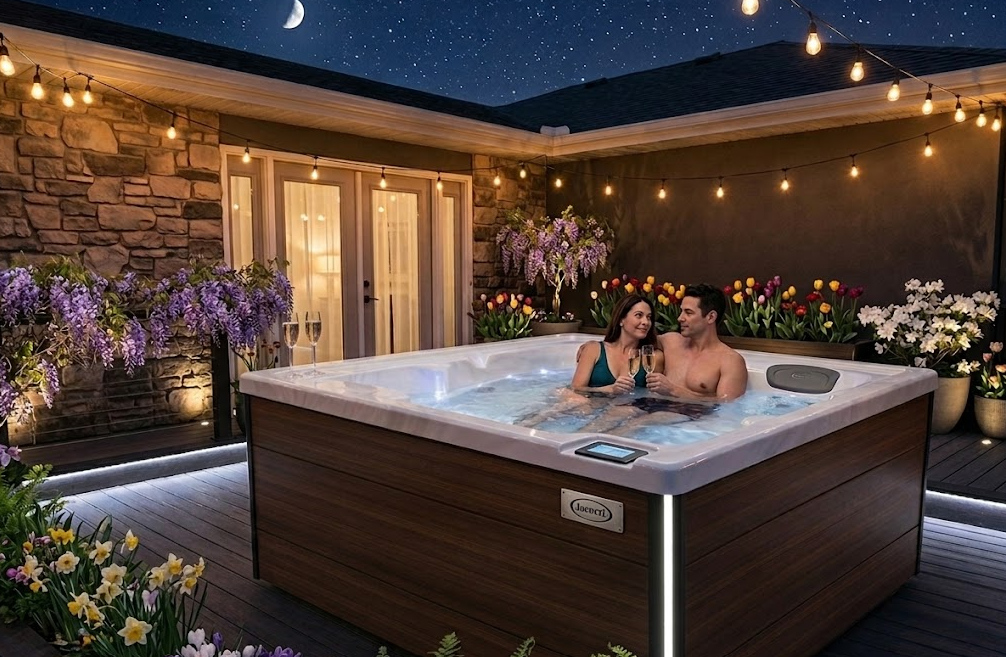





So you’re dreaming about soaking in warm, bubbling water after a long day, but you’re not quite sure whether to search for a jacuzzi or a hot tub. You’ve probably used both words interchangeably, and honestly, most people do. But are they actually the same thing?
Here’s the short answer: not exactly. The jacuzzi vs hot tub debate is one that confuses a surprising number of shoppers, and it’s easy to see why. The terms get mixed up constantly in conversation, in advertisements, and even in stores. Knowing the real difference can save you time, money, and a lot of confusion when you’re ready to buy.
In this post, we’re going to break everything down in plain, simple terms. You’ll learn where the word “jacuzzi” actually comes from, how it compares to a standard hot tub, and which option might be the right fit for your home and lifestyle. No complicated jargon, no overwhelming technical details. Just clear, straightforward information to help you make a confident decision. Let’s dive in!
The Short Answer: Jacuzzi Is a Brand, Not a Product
Here is something that surprises a lot of first-time shoppers: “jacuzzi” is not actually a type of product. It is a brand name, and a heavily trademarked one at that. Think of it like “Kleenex.” When you have a stuffy nose, you probably ask for a Kleenex, even if the box on the counter is a completely different brand. The same thing happens with hot tubs. Over decades, the Jacuzzi® name became so familiar that people started using it to describe any jetted, heated soaking tub, regardless of who made it.
The technical reality is straightforward: all Jacuzzis are hot tubs, but not all hot tubs are Jacuzzis. Only products made and sold under the official Jacuzzi® trademark can carry that name. Every other brand on the market, from budget inflatable models to high-end competing manufacturers, is simply a hot tub.
This distinction actually matters when you are shopping. Because “jacuzzi” feels like the default word for the entire category, some buyers assume it is automatically the best or only real option. In reality, exploring the full hot tub market could lead you to a unit that better fits your lifestyle, budget, and wellness goals.
One more thing worth knowing: the Jacuzzi® brand has grown well beyond hot tubs, now offering swim spas, saunas, and even full bathroom remodels. The name covers far more ground than most buyers expect.
So What Exactly Is a Hot Tub?
At its core, a hot tub is a self-contained, heated soaking vessel equipped with hydrotherapy jets. That definition covers a surprisingly wide range of products, from budget-friendly inflatable models you can set up on a deck over a weekend, all the way to permanently installed premium acrylic shells with dozens of precisely engineered jets and built-in smart controls. The common thread across all of them is simple: warm water, therapeutic jet pressure, and a dedicated space to unwind.
Hot tubs have become a cornerstone of home wellness for good reason. Regular soaking can help ease muscle tension, reduce everyday stress, improve circulation, and support better sleep. Whether you are recovering from a tough workout, managing the aches of a busy week, or simply carving out quiet time for yourself, a hot tub creates a consistent ritual around rest and recovery. That wellness appeal is a big reason so many homeowners are investing in backyard retreats and indoor relaxation spaces right now.
The product spectrum, though, is worth understanding before you shop. Inflatable hot tubs are trending on mass-market retail platforms as an accessible entry point, but they come with trade-offs in durability, jet performance, and long-term energy efficiency. Premium acrylic shell hot tubs, by contrast, are built to last for years and deliver a noticeably superior soaking experience.
Keeping this spectrum in mind, alongside the earlier point that “hot tub” is the category and certain names are simply brands within it, puts you in a much stronger position to compare options clearly and invest with real confidence.
How Do Premium Hot Tubs Compare to Budget Options?
Once you understand that “jacuzzi” is just a brand name for a type of hot tub, the next natural question is: does quality actually matter when choosing one? The short answer is yes, quite a lot. Not all hot tubs are built the same, and the differences between a premium model and a budget option go far beyond the price tag.
What Your Hot Tub Is Actually Made Of
The shell is the foundation of any hot tub, and premium models use high-grade acrylic reinforced with fiberglass or similar composite materials. This combination creates a surface that holds up beautifully over years of use, resisting UV fading, chemical treatments, and everyday wear. Budget and inflatable models, on the other hand, are typically made from PVC or thin thermoplastic. These materials tend to degrade faster when exposed to sunlight and the chemicals needed to keep your water clean. A premium hot tub can realistically last 15 to 20 years with proper care, while an entry-level inflatable may show signs of wear within just a few seasons.
Jets That Actually Do Something
Budget hot tubs often advertise impressive jet counts, but more jets does not automatically mean better results. Many entry-level units use air-jet systems that push bubbles through the water rather than directing pressurized streams to specific areas of the body. Premium hot tubs use engineered hydrotherapy jets that target the lower back, shoulders, calves, and neck with precision. That kind of intentional water flow is what turns a relaxing soak into genuine muscle recovery and stress relief, which is the whole point.
Energy Costs and Smart Features
Here is something that budget shoppers often overlook: a poorly insulated hot tub can cost noticeably more to operate every single month. Premium hot tubs use full-foam or multi-layer insulation paired with well-sealed cabinet systems, keeping heat inside where it belongs and reducing the energy needed to maintain your ideal temperature. Many quality hot tubs now also include smart technology features like app-based temperature control, filtration scheduling, and diagnostic alerts that notify you if something needs attention. These tools make day-to-day ownership significantly more convenient and enjoyable.
Warranty Coverage Tells the Real Story
When comparing options, pay close attention to the warranty. Premium hot tubs typically offer multi-year coverage on the shell, jets, and mechanical equipment, giving you real peace of mind on a significant investment. Budget models frequently offer limited or no meaningful warranty, meaning a single repair could cost more than the unit itself. When you are investing in your home and your wellness for the long term, that coverage gap matters enormously.
The Real Benefits of a Quality Hot Tub
When people think of hot tubs as a luxury splurge, they are usually picturing the experience without considering the full picture of what a quality soak actually does for your body and mind. The benefits go much deeper than relaxation, and that is what sets a well-built hot tub apart from anything you might find in a bargain aisle.
Hydrotherapy: Warm Water That Works for You
The concept of hydrotherapy, using warm water and targeted jet pressure to support the body, has roots going back decades. When you settle into a quality hot tub, the combination of heat, buoyancy, and jet massage works together to ease muscle tension, encourage better circulation, and help your body recover more quickly after physical activity. This is especially meaningful for anyone who deals with chronic soreness, joint stiffness, or the kind of full-body fatigue that builds up over a busy week. A quality hot tub delivers this kind of targeted relief consistently, not just occasionally.
Better Sleep, Less Stress, and a Space That Is Truly Yours
Research has shown that soaking in warm water roughly 90 minutes before bed can support deeper, more restorative sleep. The warm water raises your core body temperature slightly, and as it drops afterward, your body interprets that cooling as a natural signal to wind down and prepare for sleep. That kind of benefit compounds quickly when you make it part of a regular evening routine.
Beyond sleep, a hot tub gives you a dedicated space to step away from screens, work notifications, and the mental noise of daily life. That consistent decompression time matters more than most people realize until they experience it regularly.
A Year-Round Investment in Connection and Wellbeing
From a lifestyle standpoint, a backyard hot tub transforms into something much more than a solo wellness tool. It becomes a gathering spot for family, a place to catch up with friends on a cool autumn evening, or a quiet retreat when you need stillness. During the colder months especially, when most outdoor spaces sit unused, a hot tub keeps your backyard alive and welcoming year-round. Viewed through that lens, a premium hot tub is not a seasonal purchase; it is a long-term investment in your physical recovery, mental wellbeing, and the quality of your everyday life.
What Does a Hot Tub Actually Cost to Own?
Let’s be honest: the sticker price is only part of the story when it comes to buying a hot tub. Understanding the full cost of ownership helps you make a smarter decision from the start, and it often reveals that a premium model is a much better value than it first appears.
Upfront Investment by Tier
Entry-level and inflatable hot tubs typically run anywhere from a few hundred dollars to around $2,000. Mid-range acrylic models generally fall between $5,000 and $10,000, while premium luxury hot tubs often range from $10,000 to $20,000 or more depending on size, jet configuration, and features. It is also worth budgeting for installation costs, including electrical work for a dedicated 240V circuit, a concrete pad or deck reinforcement, and delivery, which can add $1,000 to $5,000 to your total upfront investment.
Monthly Operating Costs
Electricity is where quality pays off in a real, measurable way. A well-insulated premium hot tub typically costs between $20 and $50 per month to run. A poorly insulated budget model can cost two to three times that amount, quietly eating into any savings you thought you made upfront. Water care, including pH balancing, chlorine or bromine sanitizing, filter cleaning, and occasional deep draining, typically adds another $50 to $100 per month depending on how frequently you use it.
The Long View on Value
Over a 10-to-15-year lifespan, a well-built hot tub almost always delivers a lower total cost of ownership than a cheaper model that needs frequent repairs or early replacement. Premium shells, motors, and insulation systems are simply built to last. If the upfront price feels significant, financing options are widely available and can make even a top-tier model very manageable month to month. Speaking with a showroom consultant is a great way to map out a payment plan that fits your lifestyle and budget comfortably.
Beyond Hot Tubs: Swim Spas and Saunas as Wellness Alternatives
If you have been weighing a hot tub purchase, it is worth pausing to consider the broader picture of home wellness products available to you. A hot tub is a wonderful starting point, but swim spas and saunas each offer something uniquely powerful, and understanding the differences could help you land on the investment that truly fits your life.
Swim Spas: Relaxation Meets Fitness
A swim spa gives you the best of two worlds in a single backyard footprint. You get the warm-water hydrotherapy and jet massage experience of a traditional hot tub, plus a continuous current system that lets you swim in place, walk against resistance, or follow a water-based fitness routine. For homeowners who want to stay active but do not have the space or budget for a full inground pool, a swim spa is a genuinely compelling alternative. Many models even feature dual zones, with a warmer soaking section on one end and a cooler, current-driven swim lane on the other.
Infrared Saunas: Gentle Heat, Deep Benefits
Infrared saunas work differently from traditional saunas. Instead of heating the air around you, they use radiant heat to warm your body directly from the inside out. This means the cabin temperature stays lower, typically around 120 to 150 degrees Fahrenheit, making the experience feel more accessible, especially for sauna beginners. Despite the gentler environment, the benefits are significant: improved circulation, muscle recovery after exercise, stress relief, and supporting your body’s natural detoxification process. Infrared saunas are also compact enough to install indoors, making them a year-round wellness option regardless of climate.
Traditional Saunas: A Time-Tested Classic
Traditional Finnish-style saunas operate at higher temperatures, often between 160 and 200 degrees Fahrenheit, using dry heat or steam. This practice has a rich, centuries-long history rooted in Nordic wellness culture. Research has linked regular sauna use to cardiovascular support, deep muscle relaxation, and immune benefits. For many homeowners, the ritual of a traditional sauna session, especially during winter months, becomes a cornerstone of their recovery and self-care routine.
Pairing a sauna with a hot tub is something high-end wellness spas have championed for years. Moving from intense sauna heat to a cool rinse and then into a warm soak creates a contrast therapy effect that promotes circulation and deep relaxation. You can recreate that same spa-quality experience right at home.
When you are ready to invest in your wellness space, thinking beyond just the hot tub ensures you choose the product that genuinely matches your goals, whether that means fitness, recovery, stress relief, or all three.
How to Choose the Right Option for Your Home
The best place to start is with an honest answer to one question: what do you actually want this product to do for you? If your goal is unwinding after a long day, soothing sore muscles, or creating a backyard retreat for family and friends, a quality hot tub is likely your best fit. If you want to swim laps, train for fitness, or combine aerobic exercise with recovery, a swim spa gives you that versatility in a single footprint. And if dry heat therapy, deep detoxification, or stress relief through intense sweating appeals to you, a sauna, whether infrared or traditional, deserves serious consideration. Many homeowners end up choosing a combination, pairing a hot tub or swim spa with a sauna to cover both ends of the wellness spectrum.
Once you know your use case, think practically about your space. Outdoor hot tubs need a solid, level surface, typically a concrete pad or a reinforced deck rated to handle significant weight when filled. You will also need a dedicated 240V electrical circuit, and depending on where you live, a permit may be required before installation begins. Confirming these details early prevents surprises down the road.
When comparing specific models, always ask about energy efficiency ratings and insulation systems. These factors directly shape what you pay in monthly operating costs, year after year.
Finally, where you shop matters as much as what you buy. A multi-brand showroom gives you honest, side-by-side comparisons across different product lines, rather than a single-brand sales pitch. Visit in person, ask every question you have about installation and maintenance, and explore financing options. A purchase this meaningful deserves a real conversation with a knowledgeable expert.
Making the Right Call for Your Wellness Investment
Here is the bottom line: “Jacuzzi” is a brand name, and the best hot tub for your home may never carry that label. What actually matters is how a unit is built, how well it holds heat, how its jets perform, and what kind of warranty backs it up long-term. Brand recognition is a starting point, not a finish line, especially when you are making a wellness investment that could last a decade or more.
It is also worth stepping back and asking whether a hot tub is even the right fit for your goals. A swim spa offers the added dimension of aquatic fitness. An infrared sauna delivers deep, penetrating heat that supports recovery and stress relief with a smaller footprint. A traditional sauna creates the kind of immersive warmth that has been a wellness staple for centuries. Each option serves a different lifestyle, and the right one is the one that fits yours.
At Premium Spas & Billiards, our team helps you sort through all of it, from multi-brand hot tub comparisons to sauna and swim spa consultations. Visit us in-showroom for personalized guidance, and ask about flexible financing options that make your ideal wellness space genuinely accessible.
Conclusion
Now you know the real story behind the jacuzzi vs hot tub debate. To recap the key takeaways: Jacuzzi is a brand name, not a product category; all jacuzzis are hot tubs, but not all hot tubs are jacuzzis; and your best choice depends on your budget, preferences, and lifestyle needs. Understanding this difference means you can shop smarter and avoid paying a premium simply for a name.
Whether you go with a trusted Jacuzzi brand model or an equally impressive hot tub from another manufacturer, the most important thing is finding the right fit for your home and your relaxation goals.
Ready to take the next step? Start comparing models, request quotes from local dealers, and picture yourself unwinding in warm, bubbling water tonight. Your perfect soak is closer than you think.