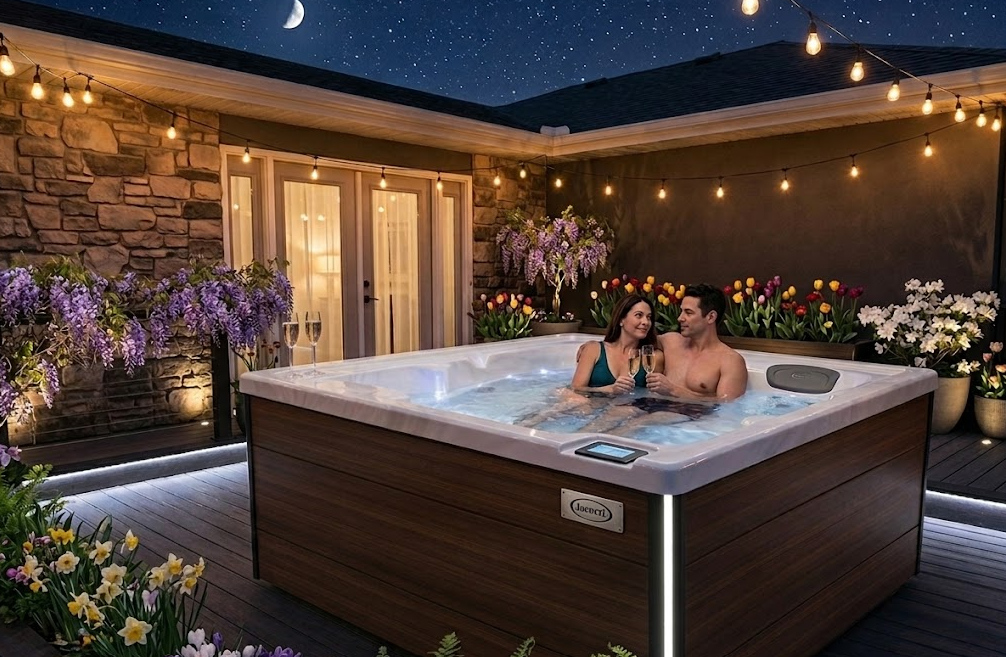





Imagine stepping into your backyard on a crisp morning, slipping into a warm, glowing sanctuary that melts away tension before the day even begins. That vision is exactly why outdoor infrared saunas have surged in popularity among wellness enthusiasts who want more than just a occasional spa visit.
If you have already done some research on home saunas, you know that not all units are created equal. Choosing an outdoor infrared sauna is a significant investment, and getting it right requires understanding the key factors that separate a purchase you will love for years from one that leaves you with buyer’s remorse.
This guide cuts through the noise and gives you the critical information you need before making your decision. From understanding how infrared heating technology actually works to evaluating weatherproofing, wood quality, EMF levels, and installation requirements, we have covered the most important considerations any serious buyer should evaluate. Whether you are narrowing down models or just beginning your research, these insights will help you move forward with clarity and confidence.
Why Outdoor Infrared Saunas Are Having a Moment
The numbers tell a compelling story. U.S. infrared sauna sales grew approximately 50% over the five years leading into 2026, a surge driven largely by the post-pandemic shift toward private, at-home wellness. As gym memberships and spa visits fell out of favor during an era of social distancing, homeowners began channeling those budgets into permanent personal wellness installations. That behavioral shift never fully reversed. Instead, it evolved into a sustained lifestyle movement that continues reshaping how people think about health, recovery, and home investment.
Residential installations now account for roughly 57% of the global sauna market, a statistic that reflects a fundamental change in consumer priorities. Rather than paying monthly fees for shared wellness spaces, homeowners are investing in private retreats they can access on their own schedule, in all seasons, without leaving their property. The convenience factor alone is significant, but the sense of ownership and personalization that comes with a backyard sauna adds an entirely different dimension of appeal.
Within the broader sauna market, the infrared segment is outpacing every other category. According to SNS Insider market research, the infrared sauna segment is projected to grow at a 7.12% CAGR through the late 2020s, fueled by the format’s lower energy demands, faster heat-up times, and gentler operating temperatures that make regular use practical for a wider range of people.
The “recovery-as-a-lifestyle” trend is also accelerating demand in a meaningful way. Homeowners are no longer thinking about a single wellness product in isolation. They are designing layered backyard wellness setups that combine outdoor infrared saunas with hot tubs, swim spas, cold plunges, and outdoor showers to create contrast therapy routines that were once exclusive to elite athletic facilities. Premium Spas and Billiards helps customers build exactly these kinds of integrated retreats, where every element works together to support daily recovery, stress relief, and long-term wellbeing.
Finally, outdoor infrared saunas are making a notable appearance in luxury real estate conversations. High-end home listings increasingly feature backyard saunas as desirable amenities, with some estimates suggesting a quality sauna addition can contribute between $5,000 and $20,000 in perceived home value depending on the installation and market. Beyond resale appeal, a well-designed outdoor sauna signals a commitment to lifestyle quality that resonates strongly with today’s wellness-minded homeowner.
How Infrared Heat Works and Why It Feels Different
Understanding what makes infrared heat feel so distinctly different from a traditional sauna experience starts with a simple but fundamental distinction: infrared heaters warm your body directly rather than heating the air around you. Traditional steam and rock-based saunas raise ambient temperatures to 170°F or higher, relying on the surrounding hot air to warm you from the outside in. Infrared saunas work differently, emitting radiant light waves that penetrate directly into your body’s tissues, raising your core temperature from within. The result is a gentler, more enveloping warmth that many people describe as similar to standing in warm sunlight, without any UV exposure.
This direct penetration approach also explains why outdoor infrared saunas operate comfortably between 120 and 160 degrees Fahrenheit, a range that feels far more accessible than the intense, often overwhelming heat of a traditional sauna. For people who are sensitive to extreme heat, newer to sauna use, or managing certain health conditions, this lower ambient temperature removes a significant barrier to regular sessions. As research and wellness experts at sources like GQ have noted, you can sit comfortably, breathe easily, and even read during a session while your body still responds with a deep, productive sweat.
Not all infrared is the same, and the spectrum you choose matters. Far-infrared wavelengths penetrate deepest into muscles, joints, and fat tissue, making them ideal for detoxification and deep relaxation. Mid-infrared reaches soft tissues to support circulation and pain relief, while near-infrared works closer to the skin’s surface for cellular repair and recovery. Full-spectrum units combine all three, delivering the broadest range of wellness benefits in a single session.
One of the most practical advantages is heat-up time. Infrared saunas typically reach optimal temperature in just 10 to 20 minutes, compared to 30 to 45 minutes or more for traditional models. That means your outdoor sauna fits naturally into a busy schedule, whether you step out after a workout, during a quiet evening, or on a cold winter morning when you need to warm up fast.
Perhaps the most surprising aspect for first-time users is the sweat response. Despite the milder air temperature, the deep radiant heat triggers profuse perspiration that rivals or exceeds what you would experience in a much hotter traditional sauna. Your body sweats from the inside out, which many wellness enthusiasts find both more comfortable and more effective for recovery and stress relief.
The Wellness Benefits That Keep Buyers Coming Back
Once you understand how infrared heat works, the natural next question is: what does it actually do for your body over time? The answer is one of the strongest drivers behind the surge in outdoor infrared sauna ownership. Buyers are not just purchasing a product; they are investing in a daily wellness ritual that delivers tangible, cumulative results across multiple dimensions of health.
Detoxification Through Deep Sweating
Infrared heat penetrates skin tissue at a cellular level, triggering a deeper, more intense sweat response than ambient-heat environments typically produce. This process supports the body’s natural elimination pathways, with research suggesting that infrared-induced perspiration may contain higher concentrations of heavy metals and fat-soluble compounds than sweat produced through exercise alone. While the liver and kidneys remain the body’s primary detoxification organs, the skin serves as a meaningful secondary pathway, and consistent infrared sessions help keep that pathway active and efficient.
Stress Relief and Mood Enhancement
Even a single 20-minute session can produce measurable shifts in how you feel. Regular infrared sauna use is associated with reduced cortisol levels, the hormone most closely linked to chronic stress, alongside increases in endorphins, dopamine, and serotonin. Clinical research, including trials examining whole-body infrared hyperthermia, has documented significant reductions in anxiety and depressive symptoms, with some participants experiencing mood improvements lasting several days after a single session. For anyone managing the pressures of a busy household or demanding work schedule, this benefit alone justifies making outdoor infrared sauna time a consistent priority.
Muscle Recovery and Physical Resilience
Infrared heat reaches deep into muscle and joint tissue, increasing local circulation, reducing inflammation, and helping flush metabolic byproducts like lactic acid that accumulate during physical activity. A 2022 study published in PMC found that a single post-exercise infrared sauna session measurably improved neuromuscular recovery performance. Athletes, active homeowners, and anyone dealing with chronic tension or everyday physical fatigue consistently report reduced soreness and improved mobility following regular sessions.
Cardiovascular Health, Skin, and Vitality
Repeated infrared sauna sessions mimic many of the vascular effects of moderate exercise, elevating heart rate, improving blood flow, and supporting arterial flexibility over time. These circulation gains translate into more than cardiovascular markers; improved microcirculation also delivers oxygen and nutrients more efficiently to skin cells, supporting better tone, reduced pore congestion, and enhanced collagen production. Studies have linked consistent infrared exposure to improvements in skin elasticity and texture, making it a wellness tool that works from the inside out.
Better Sleep, Night After Night
One of the most frequently reported benefits among regular users is significantly improved sleep quality. After a sauna session, the body undergoes a gradual core temperature drop that aligns with natural circadian sleep signals, essentially priming the body for deep, restorative rest. Surveys of consistent sauna users show that roughly 83% report better sleep lasting one to two nights following a session. Pairing an evening outdoor infrared sauna session with fresh air and a quiet backyard environment creates an ideal wind-down ritual that supports both falling asleep faster and sleeping more deeply throughout the night.
Outdoor Infrared Sauna vs. Indoor: Which Is Right for You
Once you’ve experienced the benefits of infrared heat firsthand, the next decision becomes a practical one: where does your sauna actually live? The placement question is more nuanced than it might seem, and the right answer depends on how you live, what your home offers, and what kind of wellness experience you’re chasing.
Built for the Elements
Outdoor infrared saunas are engineered from the ground up to handle whatever the seasons deliver. Premium models use Western red cedar, Canadian hemlock, or treated composite exteriors, all of which are naturally resistant to moisture, decay, insects, and temperature fluctuation. Sealed double-wall construction, sloped roofing, tempered glass panels, and weatherproofing sealants allow these units to operate comfortably through rain, heavy snow, intense UV exposure, and temperature swings that range from well below freezing to triple-digit summer heat. With proper periodic maintenance such as sealing or light staining, a quality outdoor unit can deliver reliable four-season performance for many years.
The Indoor Advantage
Indoor infrared saunas require dedicated interior space, typically a basement, spare room, or home wellness area, along with standard electrical access. Smaller plug-and-play models run on 120V circuits, while larger cabins may need a dedicated 240V line. The tradeoff is straightforward: no weatherproofing concerns, easier climate control, and generally lower long-term maintenance costs. Heating efficiency also benefits from stable indoor ambient temperatures, which shortens warm-up times and keeps energy use predictably low. The limitation is primarily spatial, since interior rooms cap the size and layout options available to you.
The Psychology of Stepping Outside
There is a meaningful psychological difference between walking down a hallway to your sauna and stepping out your back door into a dedicated wellness space. Outdoor placement creates a genuine sense of separation from the rhythms and distractions of daily home life, and that separation amplifies the mental decompression that makes each session feel restorative rather than routine. The act of transitioning to an outdoor environment cues your nervous system to downshift in a way that an interior room simply cannot replicate as naturally.
A Complete Backyard Wellness Circuit
Outdoor saunas shine brightest when they become one component of a larger wellness environment. Positioned near a hot tub, swim spa, outdoor shower, or cold plunge, an outdoor infrared sauna enables true contrast therapy, moving from deep infrared heat to cool water and back again in a single outdoor session. This stacked-modality approach, combining heat, cold, and hydrotherapy, is at the heart of the backyard wellness retreat trend driving strong growth across the infrared sauna segment and supporting the broader U.S. infrared sauna market expansion projected through the coming years.
Making the Right Call
Space availability, home layout, local climate, and honest self-assessment of how you use wellness tools should all factor into your decision. For homeowners with usable yard space, an outdoor infrared sauna offers greater versatility, a more immersive atmosphere, and the flexibility to build out a full backyard retreat over time. Indoor models remain an excellent choice for those prioritizing convenience, working within space constraints, or preferring minimal site preparation. Either way, the core benefits, including recovery, stress relief, and improved sleep, remain fully within reach.
What to Look for When Buying an Outdoor Infrared Sauna
Choosing the right outdoor infrared sauna is one of the more rewarding research processes a homeowner can undertake, because every feature you evaluate connects directly to your long-term wellness experience. Here are six key factors worth examining closely before you invest.
1. Heater Type and Spectrum Coverage
The heater is the heart of any infrared sauna, and understanding what you’re buying here matters more than nearly any other specification. Far-infrared (FIR) heaters emit longer wavelengths that penetrate deeply into muscle tissue, promoting core body warming, sweating, and the kind of sustained relaxation that keeps people coming back session after session. Full-spectrum models expand that range by adding mid-infrared for circulation and joint support, plus near-infrared for skin health and surface-level recovery benefits. For most buyers focused on stress relief and muscle recovery, a high-quality FIR carbon heater delivers excellent results. Those with skin wellness or broader therapeutic goals may find the added investment in full-spectrum worthwhile. Look for emissivity ratings of 95% or higher, which indicates how efficiently the heater delivers infrared energy to your body rather than losing it as ambient heat.
2. Weatherproofing Quality
An outdoor infrared sauna faces conditions that would compromise a standard indoor unit within a single season. Kiln-dried Canadian Western Red Cedar is widely regarded as the benchmark material for outdoor models, offering natural resistance to rot, insects, warping, and moisture absorption. Stainless steel hardware is a non-negotiable detail, as standard fasteners will rust and weaken over time with repeated exposure to rain and temperature swings. A covered or insulated roof design, sealed joints, and UV-resistant finishes extend the life of the cabinet significantly. According to a comprehensive outdoor sauna buying guide, proper foundation placement on a level, stable pad also helps prevent long-term moisture buildup beneath the structure.
3. Size and Capacity
Matching the sauna to your household is a practical decision that affects comfort during every session. One-to-two-person units work beautifully for individuals or couples seeking a compact, efficient option for regular use. Three-to-four-person models offer the elbow room that makes longer, more relaxed sessions genuinely enjoyable, and they accommodate families or the occasional guest with ease. Interior bench dimensions and ceiling height matter as much as the footprint, so reviewing interior measurements rather than exterior dimensions is a smart habit when comparing models.
4. EMF Levels
Low-EMF certification is a differentiator worth prioritizing, particularly in a premium outdoor model where extended daily use is the goal. Health-conscious buyers should look for independently tested units measuring well below 3 milligauss at body distance. Many high-quality carbon heater systems are engineered with twisted wiring and shielding specifically to minimize electromagnetic field output, and detailed buyer resources on infrared sauna selection consistently highlight third-party EMF testing as a meaningful trust signal.
5. Technology Features
Modern outdoor infrared saunas have evolved well beyond basic heat panels. Chromotherapy lighting uses color wavelengths to support mood and relaxation, making evening sessions particularly restorative. Bluetooth audio integration, LED interior lighting, and app-based controls for preheating before you even step outside are features that add genuine everyday convenience without overcrowding the experience. These amenities are increasingly standard in mid-to-premium models and reflect where the infrared sauna market is heading as consumer expectations rise.
6. Warranty Coverage
Evaluate heater panel warranties separately from the exterior cabinet warranty, because these two components have very different lifespans and replacement costs. Premium brands often offer extended or lifetime coverage on heater panels, reflecting confidence in their durability. Cabinet warranties for outdoor units typically range from five to ten years and should explicitly cover weather-related wear. Since heater replacement is the most significant long-term expense in sauna ownership, prioritizing brands with strong heater coverage is a financially sound decision that protects your investment well into the future.
Pairing Your Outdoor Infrared Sauna With a Backyard Wellness Ecosystem
An outdoor infrared sauna becomes exponentially more valuable when it anchors a thoughtfully designed backyard wellness ecosystem rather than standing alone. The most rewarding setups treat the sauna as one piece of a larger recovery and relaxation circuit, layering complementary experiences that work together to amplify every benefit.
1. Embrace Contrast Therapy With a Cold Plunge or Swim Spa
Alternating between infrared sauna heat and cold immersion is one of the most powerful recovery protocols available outside a professional sports facility. The heat phase dilates blood vessels and drives deep circulation, flooding muscles with oxygen-rich blood and loosening tension accumulated from daily activity. Transitioning immediately into a cold plunge or a cool-down lap in a swim spa causes vasoconstriction, flushing metabolic waste and reducing inflammation with remarkable efficiency. Repeating this cycle two or three times during a single session produces what practitioners call the “vascular pump” effect, a rhythm of expansion and contraction that strengthens cardiovascular tone over time. Research consistently shows the combination outperforms either therapy used independently, making it a cornerstone of the modern at-home recovery approach.
2. Create a Natural Wellness Circuit Alongside Your Hot Tub
Positioning your outdoor infrared sauna within easy reach of a hot tub transforms both features into a connected wellness circuit. After a sauna session, stepping into warm-water hydrotherapy extends the relaxation response while jet massage targets specific muscle groups that infrared heat has already primed for recovery. The two modalities complement each other naturally; infrared penetrates deep tissue while hot tub jets address surface tension and joint comfort. This pairing also encourages more consistent use, since the proximity makes it effortless to move between experiences rather than treating each as a separate event. According to 2026 backyard wellness trend reports, homeowners are increasingly designing around exactly this kind of intentional, multi-feature flow.
3. Add an Outdoor Shower as a Transitional Anchor
An outdoor shower placed between the sauna and hot tub serves as the functional bridge that ties your wellness circuit together. A brief cold rinse between heat and hydrotherapy mimics the sequenced protocols used in high-end European spas, providing a gentler contrast experience than full cold plunge immersion while still delivering meaningful circulatory benefits. It also rinses sweat before entering the hot tub, maintaining water quality and enhancing the overall experience. Cedar-framed or wall-mounted outdoor showers with both hot and cold plumbing integrate beautifully into most backyard aesthetics, and their relatively modest installation cost adds considerable daily-use value.
4. Plan Your Site With Function in Mind
A flat, level, structurally sound surface is the non-negotiable foundation for any outdoor sauna installation. A reinforced concrete slab or a properly supported composite deck provides the stability needed for doors to seal correctly and heaters to operate safely. A dedicated electrical circuit, typically 240V with GFCI protection, should be installed by a licensed electrician before the sauna arrives. Situating the sauna close to your home’s back door matters more than most buyers initially realize; in winter months, a short path between your heated interior and the sauna makes the difference between a wellness habit that sticks and one that gets skipped when temperatures drop.
5. Use Landscaping and Structure to Complete the Space
Pergolas, privacy screens, and strategic plantings do more than improve aesthetics; they make the entire wellness zone more functional year-round. A pergola overhead provides shade during summer sessions and helps diffuse wind, which directly supports heat retention around the sauna exterior. Tall privacy screens or mature hedging create a sense of enclosure that transforms a collection of backyard features into a cohesive retreat. Natural materials such as cedar, stone, and warm-toned composite panels visually unify a sauna alongside hot tubs and swim spas, creating the kind of polished, resort-inspired atmosphere that makes the space genuinely inviting.
6. Let Expert Guidance Shape the Full Picture
Designing a backyard wellness ecosystem involves more moving parts than selecting individual products. The Premium Spas and Billiards team works directly with homeowners to map out complete layouts that account for site conditions, product placement, electrical requirements, and long-term lifestyle goals. Whether you are starting with a sauna and planning to add a hot tub or swim spa later, or designing the entire space from scratch, having an experienced consultant involved from the beginning ensures every element works together seamlessly and nothing gets retrofitted awkwardly after the fact.
Installation, Electrical Requirements, and Operating Costs
Getting an outdoor infrared sauna from showroom to backyard involves more than choosing the right model. Understanding what the installation process actually requires helps you plan realistically, avoid surprises, and protect your investment from day one.
Electrical Planning Starts Before You Buy
Most outdoor infrared saunas require a dedicated 120V or 240V circuit, and the size of your unit determines which. Compact one- to two-person models often operate on a standard 120V, 15- to 20-amp dedicated circuit and draw roughly 1.5 to 2 kilowatts. Larger multi-person units typically require a hardwired 240V circuit rated at 20 to 30 amps or more. Before you finalize a purchase, have a licensed electrician evaluate your panel’s available capacity and factor in existing loads from appliances, HVAC systems, or EV chargers. Outdoor runs add complexity as well, often requiring weatherproof conduit, buried cable at proper depth, and a dedicated disconnect switch near the unit. Budgeting for electrical work early prevents costly surprises once the sauna arrives.
Site Preparation Sets the Foundation
A stable, level surface is non-negotiable for safe installation and long-term structural health. The most common options include a poured concrete pad, a reinforced composite decking section, or an existing patio surface that has been confirmed to support the unit’s assembled weight, which often ranges from 800 to 1,500 pounds. Concrete remains the most reliable choice for permanence. Composite decking works well when it has been properly engineered for the load and allows adequate ventilation beneath the unit to prevent moisture buildup. Good drainage around the site matters too, as standing water accelerates wood deterioration and creates maintenance challenges over time.
Energy Efficiency Keeps Operating Costs Manageable
One of the most practical advantages of an outdoor infrared sauna is its energy efficiency. Infrared models use 30 to 50% less energy than traditional electric saunas, primarily because they heat the body directly rather than raising the ambient air temperature throughout the cabin. At average U.S. electricity rates, frequent users typically see an increase of only $10 to $30 per month on their utility bills, even with regular three- to five-session weekly routines. Quality insulation and smart scheduling, such as running sessions during off-peak hours, can reduce that figure further.
Protection, Permits, and Professional Installation
Weatherproof roofing, a properly fitted cover, or a dedicated shelter structure shields the wood exterior and heater components during off-season months, extending the useful life of your sauna well beyond a decade with consistent care. On the permit side, requirements vary significantly by municipality. In Northern Virginia, electrical and structural work often triggers permit requirements through local building departments, and HOA rules may add another layer of review. Working with a knowledgeable local retailer familiar with regional regulations simplifies that process considerably.
Professional delivery and installation by an experienced team is strongly recommended over DIY approaches for outdoor models. Proper electrical connections, precise leveling, weatherproofing details, and manufacturer warranty compliance all depend on correct setup from the start. A qualified installation crew removes the guesswork and protects your investment over the long term.
Using Your Outdoor Infrared Sauna Year Round
One of the most compelling arguments for investing in an outdoor infrared sauna is how naturally it fits into every season on the calendar. Northern Virginia’s four-season climate, with winters that dip into the teens and twenties, mild transitional seasons, and humid summers reaching into the mid-eighties, turns out to be an ideal environment for year-round infrared sauna use. Because infrared heaters warm your body directly rather than relying on superheated air, the unit reaches a comfortable operating temperature of 120 to 150 degrees Fahrenheit in roughly 15 to 20 minutes, even when the exterior temperature hovers near freezing. Quality insulated construction, typically rated between R-8 and R-13 in well-built outdoor models, ensures that cold ambient air never compromises the interior experience.
Winter sessions carry their own distinct appeal that goes beyond simply staying warm. Stepping outside after a session into crisp, cold January air creates an immediate contrast effect that deepens the sense of relaxation and recovery. This hot-to-cold transition, often called contrast therapy, triggers circulation responses that amplify the benefits of the heat itself. Paired with a cold plunge, outdoor shower, or even a brief walk into the winter air, the experience feels genuinely restorative in a way that an indoor setup rarely replicates.
Summer use is equally rewarding because infrared temperatures feel significantly less suffocating than the 190-degree-plus environment of a traditional sauna. Evening sessions after a warm day remain entirely comfortable, and the continued benefits of muscle recovery, stress relief, and improved sleep translate perfectly into warmer months. Spring and fall sessions integrate naturally into seasonal wellness rhythms, whether that means a post-holiday recovery reset in January or a spring fitness relaunch in April.
Durability across all of these conditions comes down to materials and construction quality. Weatherproofed Western Red Cedar, the standard in premium outdoor models, contains natural oils and tannins that resist moisture and handle repeated freeze-thaw cycles without warping or cracking. Tongue-and-groove joinery accommodates seasonal wood expansion and contraction, keeping the structure sound season after season.
Why Homeowners in Northern Virginia Choose Premium Spas and Billiards
When you’re making a meaningful investment in your home wellness space, who you buy from matters just as much as what you buy. Premium Spas and Billiards has spent over 20 years helping Northern Virginia homeowners design and build personalized backyard retreats, and that depth of local experience translates into practical advantages from the very first conversation. The team understands the region’s four-season climate, knows which outdoor infrared sauna models hold up through cold Virginia winters, and brings real installation knowledge to every project rather than offering one-size-fits-all guidance.
What further sets Premium Spas and Billiards apart is the breadth of its product lineup. Rather than specializing in a single category, the company offers a complete selection of hot tubs, swim spas, infrared and traditional saunas, pool tables, and game room essentials under one roof. That matters because the most rewarding home wellness spaces rarely involve just one product. Whether you’re envisioning a full backyard wellness ecosystem with a sauna and hot tub or adding a game room alongside your indoor sauna, having a knowledgeable team that understands the entire picture makes the planning process significantly smoother.
Local delivery and professional installation remove the logistical hurdles that can turn an exciting purchase into a stressful project. The installation team handles site preparation, electrical requirements, safe transport, and final setup, so you can focus on anticipating your first session rather than managing the details yourself.
The showroom experience is another genuine advantage that online retailers simply cannot replicate. Visiting one of the Northern Virginia showroom locations lets you feel the quality of construction, compare sauna sizes side by side, and make your decision with confidence rather than relying on product photos and specification sheets alone.
Personalized consultations complete the picture. Staff help match the right sauna model, capacity, and placement to your specific yard dimensions, household needs, and wellness goals, ensuring your investment delivers exactly the experience you had in mind.
Start Building Your Backyard Wellness Retreat Today
The formula is straightforward, and it works: infrared benefits combined with outdoor placement and thoughtful pairing creates a complete at-home wellness ecosystem that delivers every single day. You get the deep, penetrating heat of infrared technology, the restorative power of outdoor connection, and the layered recovery benefits that come from pairing your sauna with a hot tub, swim spa, or cold plunge. Together, these elements transform an ordinary backyard into a personal wellness retreat built around your lifestyle.
Before committing to a model, seeing and experiencing outdoor infrared saunas in person makes all the difference. Visiting the Premium Spas and Billiards showroom allows you to assess build quality, feel the heat firsthand, and get expert guidance tailored to your specific space and goals. Scheduling a consultation ensures you walk away confident, not guessing.
This investment pays real dividends, from faster muscle recovery and daily stress relief to improved sleep and long-term home value. Explore the full range of saunas, hot tubs, and swim spas at Premium Spas and Billiards, and start envisioning the backyard transformation your family deserves.
Conclusion
Choosing the right outdoor infrared sauna comes down to a handful of critical decisions. Prioritize quality infrared heating technology, durable weatherproof construction, low EMF emissions, and proper installation planning from the start.
These four pillars separate a sauna that becomes a cherished daily ritual from one that disappoints within the first season. You now have the knowledge to evaluate options with confidence rather than relying on marketing claims alone.
Your next step is simple: take your shortlist of models and measure them against the criteria covered in this guide. Request EMF test reports, verify wood certifications, and confirm warranty terms before committing.
The investment you make today can deliver years of genuine health benefits, stress relief, and personal restoration. Your backyard sanctuary is closer than you think; all it takes is one informed decision to bring it to life.