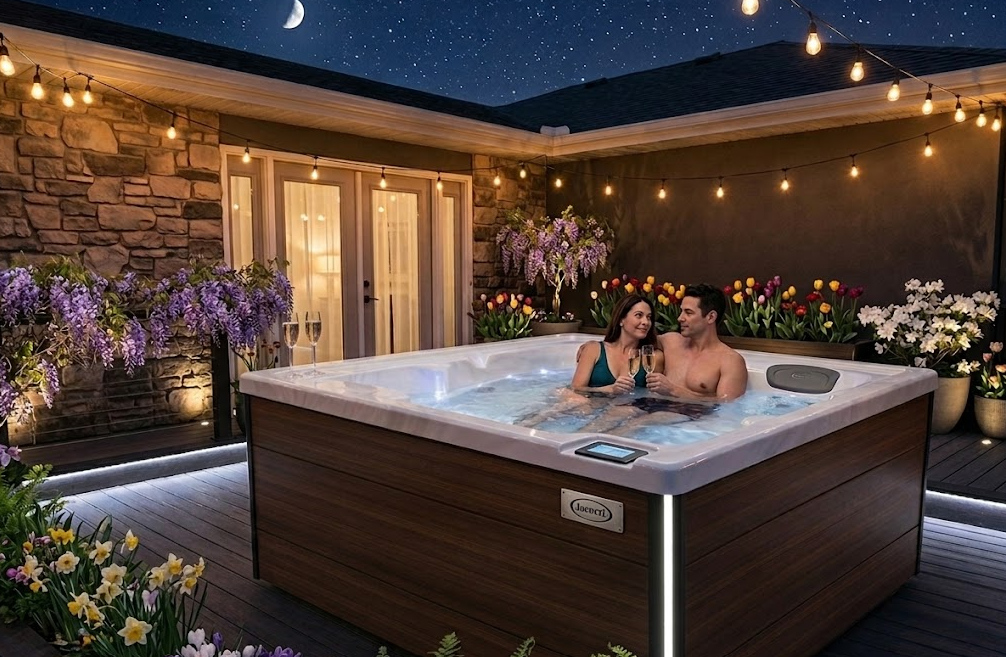





Imagine unwinding in a bubbling hot tub after a demanding day, the warmth easing away tension as you relax completely. For many newcomers to hot tub ownership, this dream comes with a key decision: how to keep the water clean and safe. Traditional chlorine systems have long been the standard, but saltwater hot tubs are gaining popularity for their gentler approach.
In this comparison of saltwater versus chlorine hot tubs, we break it all down for beginners like you. You will discover the core differences in how each system works, from water generation to maintenance needs. We explore the pros and cons, including skin and eye comfort, operating costs, and ease of use. Whether you prioritize low upkeep or a softer soak, this guide equips you with the knowledge to choose confidently. By the end, you will understand why a saltwater hot tub might transform your relaxation routine, or if chlorine remains the practical pick for your lifestyle. Dive in to find the perfect fit.
What Makes Saltwater Hot Tubs Different
Saltwater hot tubs stand out from traditional chlorine systems through their innovative salt chlorine generator, which uses electrolysis to convert dissolved salt—maintained at 2,500-4,000 ppm—into chlorine on demand, producing consistent low levels of 1-3 ppm for effective sanitation. This self-sustaining cycle eliminates the need for frequent manual dosing of harsh granules or liquids, simplifying upkeep compared to conventional tubs that demand weekly adjustments and draining every 3-4 months. For beginners, this means more time relaxing and less time maintaining.
Softer Water Feel and Skin Benefits
The result is silky, ocean-like water that feels gentler on sensitive skin, hair, eyes, and swimsuits, avoiding the dryness, irritation, and strong odors often associated with traditional chlorine. Families with children or eczema-prone members appreciate this therapeutic touch, as it supports daily wellness soaks without post-bath moisturizing routines. Explore saltwater FAQs.
Market Growth and Wellness Trends
Driven by rising demand for home hydrotherapy, the global hot tub market is projected to reach $8.1 billion in 2026, per Global Market Insights, fueled by trends in stress relief and backyard retreats (source: GM Insights report).
Eco-Friendly Appeal
Eco-conscious homeowners love the reduced chemical use—up to 50-70% less—thanks to on-demand generation and water lasting up to a year. Compare to traditional systems.
These tubs transform backyards into family havens at Premium Spas & Billiards, blending relaxation with sustainable luxury for year-round wellness.
How Saltwater Hot Tub Systems Work
Saltwater hot tub systems rely on a salt chlorine generator, or chlorinator, to create fresh chlorine through electrolysis, offering a gentler alternative to manual chemical dosing. The process starts with adding spa-grade salt to the water, typically at 2,500 to 4,000 ppm—far milder than ocean levels. This salt dissolves into sodium and chloride ions. Low-voltage electricity from the generator’s cell then splits the sodium chloride, producing chlorine gas on demand. This chlorine forms hypochlorous acid, the key sanitizer that targets bacteria and contaminants, then naturally reconverts to salt in a continuous, self-sustaining cycle. As explained by experts at Hot Spring, this automation minimizes fluctuations for consistently low levels (1-3 ppm).
These systems enhance sanitation when paired with ozone or UV technologies, which oxidize organics and cut oxidizer needs by up to 85%. For instance, Master Spas highlights hybrid setups that extend water freshness to 12 months.
Recent 2025 launches, like app-monitored systems, allow remote checks of salt, pH, and chlorine via smartphone, simplifying oversight for busy homeowners. Note that saltwater hot tubs generate chlorine, not eliminate it, but deliver softer, eye-friendly soaks with less skin irritation. At Premium Spas & Billiards, we guide beginners toward these low-maintenance options for effortless wellness.
Saltwater vs Chlorine: Side-by-Side Breakdown
Water Quality
Saltwater hot tubs deliver a noticeably softer water feel, mimicking the gentle touch of ocean water with salt levels around 1,200 to 1,750 ppm. This results in less irritation to skin, eyes, hair, and bathing suits compared to traditional chlorine systems, where higher chemical peaks can cause dryness, redness, or fading fabrics. Users often describe post-soak skin as smoother and more hydrated, making it ideal for frequent family use or those with sensitive skin. Chlorine hot tubs, while effective at sanitation, tend to produce a harsher experience with potential chemical odors from chloramines. For crystal-clear water that lasts up to a year with proper care, saltwater edges out, enhancing everyday relaxation in your backyard retreat. Saltwater vs. chlorine water feel
Maintenance Simplicity
One of the biggest appeals of saltwater hot tubs is reduced hands-on work: weekly tests for salt, pH (aim for 7.2-7.8), and alkalinity suffice, with quarterly cell cleaning to prevent scale. No daily dosing means more time enjoying the soak and less scrubbing for biofilm. Traditional chlorine setups demand frequent adjustments, often daily or weekly, including tablets, granules, or liquids, plus draining every 3-4 months. Annual costs for saltwater run $500-$1,000 mainly for cartridges and salt, versus $300-$600 for chlorine chemicals. This low-maintenance approach pairs perfectly with busy lifestyles, freeing you for wellness routines like pairing your hot tub with a home sauna session.
Health and Wellness Benefits
Saltwater hot tubs shine for therapeutic soaks, offering gentler buoyancy that aids muscle recovery and stress relief without the drying effects of chlorine, which can exacerbate skin conditions or allergies. Both options promote deep relaxation and circulation, but saltwater’s steady low chlorine (1-3 ppm) feels more natural and eco-friendly, with less waste and fewer fumes for respiratory comfort. Ideal for winter wellness, it supports year-round detoxification akin to infrared saunas. Families report fewer irritations, making longer sessions possible for recovery after workouts or holidays. Health pros of saltwater systems
Initial Setup and Longevity
Expect a 10-20% premium for saltwater hot tubs, averaging $20,000 installed (per Angi 2026 data, ranging $16,500-$24,000), covering the salt generator ($500-$1,500). Chlorine models start lower at around $6,000. Salt cells last 3-5 years ($700-$1,100 to replace), but chemical savings (up to 50-70% less) offset this over time; chlorine has simpler mechanics yet higher ongoing expenses. Choose saltwater for long-term value if low maintenance and skin-friendly soaks align with your home wellness goals, like complementing a traditional sauna for ultimate recovery. Consult experts at Premium Spas & Billiards for seamless setup tailored to your space. Hot tub cost breakdown
Key Benefits of Saltwater Hot Tubs
Softer Water Enhances Relaxation
Saltwater hot tubs provide a silky, ocean-like water feel due to the softening effect of sodium, far gentler than traditional chlorine systems. This promotes deeper relaxation during soaks, making them ideal for stress relief after a long day. Post-workout, the buoyancy eases muscle tension and joint pressure, aiding recovery by improving circulation. Users often report 20-minute sessions leave them rejuvenated, with less dryness or irritation for prolonged enjoyment.
Significant Cost Savings
Homeowners in 2026 can expect 50-70% lower chemical costs long-term, as the salt chlorine generator produces sanitizer on-demand from recycled salt. This eliminates frequent purchases of tablets or liquids, simplifying maintenance to weekly tests and occasional top-offs. While upfront systems add a premium, the return on investment arrives quickly through reduced service calls and yearly water changes. North America’s hot tub market reflects this trend, growing to support eco-savvy upgrades.
Gentler on Skin, Suits, and Equipment
Lower, stable chlorine levels (1-3 ppm) minimize skin redness, eye itch, and hair damage, while extending swimsuit life by avoiding harsh residues. Equipment benefits too, with less corrosion risk when pH and salt are monitored. Families notice softer post-soak skin, encouraging regular use without discomfort.
Eco-Friendly Wellness Choice
Fewer additives mean less waste and up to 75% water savings from infrequent draining, aligning with the wellness boom. This sustainable approach fits year-round backyard retreats, enhancing detoxification and stress relief.
Perfect for Family Bonding
Odor-free, gentle water suits all ages for safe, frequent soaks, fostering connection in winter warmth or summer evenings. Pair with saunas at Premium Spas & Billiards for complete home wellness.
Drawbacks and Solutions for Saltwater Systems
Higher Upfront Cost
Saltwater hot tub systems require an initial investment of $500 to $1,500 for the generator and installation, adding to the overall price of a new hot tub, which averages $16,500 to $24,000 installed. This premium covers the electrolytic cell and controls, but savvy homeowners offset it through long-term savings. Chemical costs drop by up to 50 percent, as inexpensive salt refills replace frequent chlorine purchases, often saving hundreds annually. For example, traditional systems might spend $300 to $600 yearly on chemicals, while saltwater setups reduce this significantly over 5 to 10 years. Explore detailed cost breakdowns here. At Premium Spas & Billiards, our team helps budget for these efficiencies to maximize value.
Corrosion and Maintenance Risks
Improper salt levels, around 2,500 to 4,000 ppm, can corrode metal parts like heaters or jets if pH drifts below 7.2. Weekly testing and compatible tubs with titanium components prevent this effectively. Clean the cell quarterly to avoid buildup.
Cell Replacement and Warranties
Cells last 3 to 5 years, costing $500 to $1,000 to replace; treat it like routine upkeep, prorating $100 to $200 yearly. Opt for salt-ready models from experts like Premium Spas & Billiards to preserve full warranties.
Occasional Shocking Needs
Pair with ozone systems for 90 percent less intervention; shock every 1 to 2 weeks otherwise using non-chlorine options. This keeps water pristine with minimal effort, enhancing your wellness routine. Learn more on market trends. Myth-busting on salt damage.
2026 Costs and Investment Value
In 2026, investing in a saltwater hot tub averages $20,000 installed, with a range of $16,500 to $24,000, marking a 10-20% premium over traditional chlorine models according to Angi data. This covers the unit, site preparation, electrical work, and the salt chlorine generator, which ensures gentler, low-maintenance soaks ideal for family wellness routines. Larger models for 4-6 people suit backyard retreats, while custom options elevate indoor spaces alongside saunas for year-round recovery.
Conversion Kits: A Smart Upgrade Path
For existing hot tub owners, conversion kits cost $800 to $2,000, plus installation, transforming chlorine systems into saltwater without full replacement. This popular trend appeals to budget-conscious homeowners seeking softer water and reduced chemicals. Professional fitting takes 1-2 hours and preserves warranties on compatible tubs, making it actionable for quick winter wellness boosts. HomeGuide estimates highlight savings versus new installs.
The U.S. hot tub market hit $2.4 billion in 2025, with steady growth projecting strong resale value, often recouping 5-20% on home listings. Long-term ROI shines through 50-70% less chemical spending and halved maintenance time, paying back in 5-7 years via durable components.
At Premium Spas & Billiards, view saltwater hot tubs as a cornerstone wellness investment, pairing seamlessly with saunas, swim spas, and game room upgrades for personalized home retreats that foster relaxation, health, and family connections.
Maintenance Guide for Beginners
Maintaining a saltwater hot tub is straightforward for beginners, offering a low-effort path to consistent wellness and relaxation compared to traditional chlorine systems that demand frequent chemical adjustments. With simple routines, you can enjoy softer water that enhances skin health and reduces irritation, while extending water life up to 12 months. Start by building habits around key checks to prevent issues like scaling or low sanitizer levels.
Weekly Testing Essentials
Test salt levels weekly, targeting 2,500-4,000 ppm, and pH between 7.2-7.8 using affordable test strips or digital kits available at most pool stores. Low salt hampers chlorine production via electrolysis, while excess can corrode components; adjust by adding hot tub-grade salt to the filter area with jets running, then retest after 30 minutes. For example, in hard water areas, aim for the lower end to minimize buildup. This routine ensures steady 1-3 ppm chlorine for safe, odor-free soaks. Pair it with checks for alkalinity (80-120 ppm) and calcium hardness (150-250 ppm) for balanced chemistry that supports recovery and stress relief.
Cleaning and Seasonal Care
Clean the salt cell every 3-6 months by inspecting for white buildup, then soaking in a mild acid solution like 1:4 muriatic acid and water for 15-30 minutes, brushing gently, and rinsing. Top off salt seasonally due to splash-out or evaporation, adding half the recommended dose at a time. Shock monthly with non-chlorine oxidizer after heavy use to clear organics, keeping your tub pristine for family wellness sessions.
These systems fit most modern hot tubs; consult installers for compatibility to avoid warranty concerns. Premium Spas & Billiards provides expert service for setup, conversions, and ongoing care, ensuring your backyard retreat thrives year-round.
Pairing with Saunas for Total Wellness
Pairing a saltwater hot tub with saunas elevates your home wellness routine, blending hydrotherapy’s buoyancy with sauna heat for profound detox and recovery. Infrared saunas, operating at gentler 120-140°F, penetrate tissues deeply to promote sweating and lymphatic drainage, complementing the hot tub’s jets that reduce lactic acid by up to 34%. Transition from a 100-104°F soak to 15 minutes in the infrared for doubled detoxification efficiency and 28% improved circulation, as shown in recent studies. This synergy suits beginners seeking muscle recovery without intensity.
Traditional Sauna Post-Soak Benefits
Follow your saltwater hot tub session with a traditional sauna at 170-195°F to spike heart rate by 60-70%, mimicking cardio while boosting nitric oxide for arterial flexibility. This sequence enhances blood flow 27-28% more than either alone, slashing cortisol by 34% for superior stress relief and endorphin release. Users report better sleep from the post-heat cooldown, ideal for daily unwinding.
Craft the ultimate backyard oasis with hot tub relaxation and sauna therapy, adding lounges for family gatherings. At Premium Spas & Billiards, pair these with swim spas for low-impact fitness and game room essentials like pool tables for entertainment.
For Winter 2026, install indoor setups: alternate 10-15 minute sessions for 19% immune boosts amid cold weather. Visit Premium Spas & Billiards in Virginia for tailored advice. Learn more about saltwater benefits.
Conclusion: Steps to Your Ideal Hot Tub
Ready to transform your backyard into a personal wellness oasis? Start by assessing your needs: if you have sensitive skin or prefer low-maintenance routines, a saltwater hot tub shines with its softer, ocean-like water that reduces irritation and cuts chemical use by up to 70%. Next, budget wisely for an average $20,000 installed cost, including the salt system, and plan for cell replacements every 3-5 years at $500-$1,000 to keep enjoyment seamless long-term.
Visit Premium Spas & Billiards to test drive models, verifying salt compatibility with our experts who ensure perfect fit for your lifestyle. Envision a complete retreat by pairing your saltwater hot tub with infrared or traditional saunas for detox and recovery, or add swim spas for fitness, creating year-round relaxation that rivals luxury spas.
Our team guides you from consultation through delivery and professional installation, blending wellness with family entertainment like pool tables for the ultimate home upgrade. Contact us today to step into elevated living.