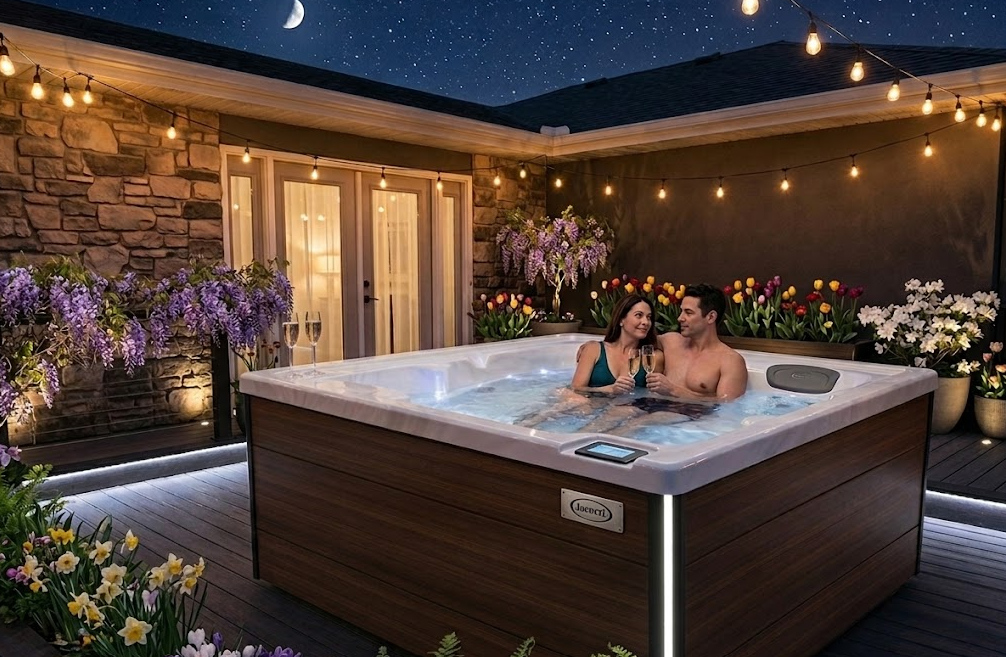





Imagine stepping outside your back door on a chilly evening and walking into your very own private retreat, where the stress of the day simply melts away. Sounds pretty amazing, right? That dream is more achievable than you might think, and it all starts with understanding what a sauna house can bring to your life and your property.
Whether you have been toying with the idea for years or just stumbled across the concept recently, building or buying a sauna house is one of the most rewarding investments a homeowner can make. From boosting your health and wellness routine to adding serious value to your home, the benefits are hard to ignore.
But where do you even begin? That is exactly what this guide is here for. We have put together a complete, beginner-friendly breakdown of everything you need to know before taking the plunge. You will learn about different sauna types, key features to look for, installation tips, and so much more. By the end, you will feel confident and ready to make the best decision for your home and lifestyle. Let’s dive in!
What Exactly Is a Sauna House?
If you’ve ever searched “sauna house” and found yourself wondering whether it’s just a fancy name for a sauna room in your basement, you’re not alone. A sauna house is actually something quite different, and once you understand what sets it apart, it’s easy to see why so many homeowners are excited about the idea.
A sauna house is a dedicated, standalone or semi-permanent structure built specifically for sauna use. Think of it as its own little building on your property, separate from your home, designed from the ground up with heat retention, ventilation, and the full sauna experience in mind. This puts it in a completely different category from a portable sauna tent you fold away after use, a barrel sauna sitting on the grass, or a sauna room tucked into a corner of your home’s interior.
What really makes a sauna house stand out comes down to a few key qualities. First, there’s architectural permanence: a sauna house has proper walls, insulation, a solid roof, and typically a foundation or deck base, making it a lasting feature of your property rather than a temporary add-on. Second, size and capacity matter. Unlike single-person portable units, a sauna house can comfortably accommodate multiple users at once, making it ideal for family sessions or entertaining guests. Third, a sauna house integrates beautifully with your outdoor living space. Many homeowners pair theirs with landscaping, outdoor showers, or relaxation areas to create a true backyard retreat. Finally, the customization potential is remarkable, ranging from prefabricated kits you can assemble relatively quickly to fully custom-designed builds that match your home’s architecture perfectly.
Inside a sauna house, you’ll typically choose between two heating styles. Traditional Finnish-style saunas use a wood-burning or electric stove with heated rocks, and you control humidity by ladling water over the rocks to create steam. Infrared saunas, on the other hand, use radiant heat panels to warm your body directly at lower ambient temperatures, and they’re growing rapidly in popularity thanks to their wellness benefits like stress relief and recovery support.
The numbers confirm this isn’t a passing trend. According to Sauna Market Growth, Size & Forecast Report 2026–2035, the global sauna market reached USD 937.34 million in 2025 and is projected to nearly double to USD 1.71 billion by 2035, reflecting just how mainstream dedicated home sauna investment has become.
The best news for beginners? A sauna house is far more attainable than it might sound. Prefabricated kits offer an accessible entry point, while fully custom builds are available for those who want something truly unique. Whatever your budget or backyard situation, there’s very likely an option that fits.
Indoor vs. Outdoor Sauna House: Which One Fits Your Home?
Once you understand what a sauna house is, the next natural question is where it should actually live. Both outdoor and indoor options have real advantages, and the right choice depends on your home, your lifestyle, and how you picture your ideal wellness routine.
The Outdoor Sauna House: Your Backyard Retreat
An outdoor sauna house is typically a standalone structure built in your backyard, on a patio, or tucked into a landscaped corner of your property. What makes it special is the sense of separation it creates. You’re physically leaving your home, stepping outside, and entering a dedicated wellness space. That short walk, whether through crisp winter air or a quiet summer evening, is part of the experience. Industry voices increasingly describe the outdoor sauna house not just as a heat room, but as a backyard wellness destination. As one outdoor sauna enthusiast put it, “That short walk to and from the sauna makes an impression on me and the rest of my day.” Outdoor models come in a variety of styles, including barrel, cube, and cabin designs, giving you real flexibility to complement your existing landscaping and outdoor living spaces. For homeowners with limited indoor square footage, building outside also keeps your interior rooms exactly as they are.
The Indoor Sauna Room: Convenient Year-Round Wellness
An indoor sauna room is installed inside your home, most commonly in a basement, spare bedroom, bathroom, or garage conversion. The biggest advantage here is simple: you never have to step outside to use it. Rain, snow, extreme heat, none of it matters when your sauna is just down the hallway. Indoor installations also tend to integrate more easily with your home’s existing electrical infrastructure, which can simplify the setup process. Privacy is another strong point. An indoor sauna is completely shielded from neighbors and requires no landscaping screens or exterior maintenance over time.
How to Decide: A Simple Framework
According to Forbes Vetted’s 2026 guide to the best home saunas, homeowner interest in both options is growing rapidly, but the decision usually comes down to a few practical factors. Consider these side by side:
- Available space: Do you have usable yard space, or are you working with a finished basement?
- Weather and access: Will you use your sauna more if it’s just steps away inside the house?
- Privacy: Are you in a neighborhood where an outdoor structure would be visible to neighbors?
- Permits and HOA rules: Outdoor standalone structures often require building permits and may be subject to HOA restrictions, so checking local requirements early is essential.
- Property value: Both options can boost home value, though an outdoor sauna house often draws more attention as a lifestyle feature during resale.
For a deeper look at how these two options compare across real homeowner decisions, this Indoor vs. Outdoor Saunas breakdown is a helpful resource.
If you have the outdoor space and love the idea of a dedicated ritual, stepping away from the house and into your own wellness sanctuary, the outdoor sauna house is hard to beat. If convenience and weather independence are your top priorities, an indoor installation delivers a seamless, low-maintenance experience you’ll use every single week.
Traditional vs. Infrared: Picking the Right Sauna House Type
Now that you know where your sauna house will live, the next big decision is what type of sauna goes inside it. This is where most beginners get a little stuck, and honestly, it makes sense. The traditional vs. infrared debate comes up constantly, and both options have passionate fans. The good news? There’s no universally wrong answer. It really comes down to how you plan to use your sauna and what kind of experience you’re after.
The Traditional Sauna Experience
Traditional saunas are what most people picture when they close their eyes and imagine the classic heat room. Temperatures typically run between 150 and 195 degrees Fahrenheit, creating an intensely warm environment that heats the air around you. One of the most beloved features is the ability to pour water over heated rocks to produce bursts of steam, a Finnish ritual known as löyly (pronounced “loo-lu”). This practice is deeply rooted in Finnish culture, where the sauna has been a social and spiritual gathering place for thousands of years. Traditional saunas tend to work beautifully as outdoor sauna houses, barrel saunas, and cabin-style builds, where the full ritual experience really comes to life. Sessions usually run 15 to 30 minutes, often followed by a cool-down period or even a cold plunge for the full Nordic effect.
The Infrared Sauna Experience
Infrared saunas take a fundamentally different approach. Instead of heating the air around you, radiant heat panels warm your body directly from the inside out. Operating temperatures are noticeably lower, typically between 120 and 150 degrees Fahrenheit, which makes the experience feel much more comfortable, especially for beginners, older adults, or anyone who finds traditional heat overwhelming. According to an honest comparison of infrared vs. traditional saunas, the body absorbs infrared heat more efficiently at lower air temperatures, which is why so many users report a deeper, more penetrating warmth even without the intensity of a traditional session. Infrared units also heat up faster, usually within 10 to 15 minutes, making them a natural fit for frequent, everyday use.
Which One Is Right for You?
Here’s where the benefits really start to matter more than the numbers. Traditional saunas shine for intense heat therapy, steam generation, and the kind of immersive social bathing experience that friends and family can share together. If you want to host a sauna night, recreate an authentic Finnish ritual, or simply love the feeling of serious, enveloping heat, traditional is your match.
Infrared saunas, on the other hand, are the go-to choice for gentler daily recovery. They’re widely praised for perceived detoxification, muscle recovery, and stress relief benefits, making them popular among wellness enthusiasts who want a consistent daily tool rather than an occasional ritual. It’s worth noting that while these benefits are widely reported by users, peer-reviewed clinical research directly comparing the two types is still developing.
From a market perspective, traditional saunas still hold approximately 35.6% of global sauna market revenues, reflecting their deep-rooted popularity. However, infrared saunas are now the fastest-growing segment, fueled by rising interest in accessible, everyday wellness routines that fit into a busy modern lifestyle.
A simple lifestyle guide to help you decide:
- Choose infrared if you want a low-barrier daily recovery tool, prefer lower heat environments, or are setting up an indoor wellness space with convenience in mind.
- Choose traditional if you love the steam ritual, enjoy social sauna sessions, or are building an outdoor sauna house where the full heat experience is the main event.
Both types represent a meaningful investment in your long-term wellness, and both can transform your home into a genuine retreat. The right one is simply the one that matches how you actually live.
The Real Health Benefits of Owning a Sauna House
So you’ve chosen your sauna type and figured out where it will live. Now let’s talk about why this investment is genuinely worth it. The health benefits of regular sauna use aren’t just wellness industry buzzwords. They’re backed by real research, including a peer-reviewed systematic review published in Evidence-Based Complementary and Alternative Medicine that analyzed 40 clinical studies involving 3,855 participants and found the majority reported beneficial health outcomes from regular dry sauna bathing.
Here are five evidence-supported benefits you can expect when you own a sauna house and use it consistently.
1. Cardiovascular Support You Can Actually Feel
Every time you step into a sauna, your heart starts working harder in a surprisingly productive way. The heat causes your blood vessels to dilate and your heart rate to climb, mimicking the physiological response of moderate-intensity aerobic exercise. Cleveland Clinic physician Dr. Amy Zack describes it this way: the body’s reaction to sustained heat triggers the release of anti-inflammatory agents while pushing circulation into a higher gear. Over time, regular sessions may support healthier blood pressure and improved delivery of oxygen and nutrients throughout the body. Think of it as a gentle cardiovascular workout you can do while sitting still, which makes it especially appealing during cold winter months when outdoor exercise feels less inviting.
2. Detoxification Through Deep, Sustained Sweating
Your skin is one of your body’s natural elimination pathways, and a sauna puts it to work. During a session, your body sweats out trace impurities including environmental residues and waste byproducts, adding a meaningful layer of support alongside your liver and kidneys. The key word here is “sustained.” When you own a dedicated sauna house, you control your schedule and your session length. You’re not rushed out of a gym locker room or sharing space at a hotel spa. That comfort and consistency encourages longer, more effective sessions that compound the detox benefits over weeks and months.
3. Muscle Recovery and Pain Relief
If you work out regularly, play weekend sports, or simply deal with everyday aches and stiffness, a sauna house can become your most-used recovery tool. Heat therapy increases blood flow to fatigued or inflamed tissue, which helps reduce muscle soreness, ease joint stiffness, and accelerate the body’s natural repair process. Research shows sauna use can help manage chronic back pain and reduce discomfort associated with conditions like rheumatoid arthritis. For active individuals, even a 15 to 20 minute session after physical activity can meaningfully shorten recovery time and keep you moving at your best.
4. Stress Relief and Mental Wellness
The mental health case for sauna ownership is one of the most compelling reasons homeowners are investing in 2026. Sauna heat triggers the release of endorphins, the body’s natural mood-elevating chemicals, while simultaneously reducing cortisol levels. Dr. Zack notes that research shows saunas can improve anxiety, and that giving yourself that dedicated, screen-free introspective time is “extremely successful in helping to mitigate anxiety, depression and burnout.” It’s no coincidence that mental health and holistic wellness are now among the fastest-growing motivators cited by homeowners exploring sauna house options.
5. Better Sleep, Night After Night
This one surprises a lot of people. When you leave a sauna, your core body temperature begins to drop, and that cooling process sends a powerful signal to your brain that it’s time to sleep. It mirrors the body’s natural sleep-onset mechanism, helping you fall asleep faster and reach the deeper, more restorative sleep stages. Building an evening sauna session into your routine turns this into a repeatable nightly ritual with benefits that genuinely compound over time. Better sleep supports everything else on this list, from faster muscle recovery to lower stress levels, making it one of the most quietly powerful perks of having a sauna house at home.
Sauna House Cost Breakdown: What to Budget and Expect
Once you’ve fallen in love with the idea of a sauna house, the next practical question is obvious: what’s this actually going to cost? The good news is that there’s a price point for almost every budget, and understanding the tiers upfront helps you plan smarter and avoid surprises down the road.
Entry-Level: $5,000 to $15,000
Prefabricated sauna house kits are the most accessible starting point for most homeowners. These standardized designs come largely pre-built, which means faster installation, fewer labor hours, and a more predictable total cost. Indoor infrared cabin units typically fall in the $3,000 to $8,500 range for the unit itself, while outdoor barrel or cabin-style saunas start around $6,000. When you factor in professional installation, site prep, and electrical work, most entry-level projects land somewhere between $5,000 and $15,000 total. One helpful detail: plug-and-play infrared saunas often run on a standard 120V outlet, which cuts down significantly on electrical costs compared to traditional 240V heaters that require a dedicated circuit. If you’re a first-time buyer who wants to get into a quality sauna experience without a major construction project, this tier is a very reasonable place to start.
Mid-Range: $15,000 to $35,000
This is where most serious residential buyers end up, and for good reason. Mid-range sauna houses offer a meaningful step up in materials, size, and heating performance without crossing into full custom-build territory. Think higher-grade cedar walls, a footprint large enough for four to six people, and upgraded heater brands that deliver more consistent and efficient heat. Professional installation labor alone can run $2,000 to $6,000 for indoor projects, and that figure climbs when structural modifications or integrated ventilation are involved. Indoor installations typically cost $1,000 to $5,000 more than outdoor setups because of those additional requirements. If you’re planning a backyard wellness space you’ll genuinely use year-round, investing in this range gives you a product that feels purpose-built rather than entry-level.
Premium and Luxury: $50,000 and Above
At the top of the market, sauna houses become full lifestyle features. These builds incorporate high-end cedar or thermo-treated wood finishes, smart controls that let you pre-heat remotely and customize sessions, architectural integration with the home’s existing design, and combination features like an attached cold plunge or dedicated lounge area. The unit cost alone can exceed $20,000 for a premium outdoor cabin, and when skilled labor, custom site work, permitting, and premium finishes are added, total project budgets of $50,000 and beyond are realistic.
What Actually Drives the Cost
Several factors consistently influence your final number. Structure size and material quality are the biggest levers. Heating system type matters too; traditional electric heaters cost more to wire than infrared alternatives. Foundation or deck work for outdoor builds, local permitting fees, and professional installation labor (which typically represents 30% to 50% of total project cost) all add up quickly. You can explore a detailed sauna installation cost breakdown for 2026 to map out your specific scenario, and Angi’s 2026 home sauna cost guide offers helpful regional comparisons as well.
Thinking About Long-Term ROI
Here’s a perspective shift that changes how most people feel about these numbers. A $7,500 sauna investment can realistically pay for itself within 18 to 24 months when you consider that commercial sauna sessions cost $40 to $100 each, while running your own sauna costs roughly $1 per session. Beyond the savings, the broader market data tells a compelling story. The US indoor sauna room market is projected to grow from $1.2 billion in 2024 to $2.14 billion by 2033, a 7.5% annual growth rate that reflects how confidently homeowners are treating sauna installations as long-term home value assets. This isn’t a trend that’s fading; it’s accelerating.
Planning and Installing a Sauna House: What the Process Looks Like
You’ve done the dreaming. Now it’s time to talk about the doing. Getting a sauna house from idea to first session involves a handful of concrete steps, and knowing what to expect at each stage makes the whole process a lot less intimidating. Here’s how it typically unfolds.
Step 1: Choose Your Site Wisely
Before you order anything or call a contractor, walk your yard with fresh eyes. You’re looking for level ground, because an uneven base creates structural headaches and drainage problems down the road. Think about how close you want the sauna to your home’s electrical panel, since a longer run of wire means higher installation costs. Privacy matters too; a little natural screening from trees, fencing, or strategic landscaping goes a long way toward making your sauna sessions feel like a true escape rather than a neighborhood spectacle. Also consider where water from steam, rinsing, or winter snowmelt will drain, because you don’t want moisture pooling against the foundation. Modern sauna forms, from clean-lined cabins to classic barrel shapes, function as design features as much as wellness equipment, so think about how yours will look alongside your deck, garden, or a future cold plunge tub.
Step 2: Sort Out Permits and Zoning Early
This step trips up more homeowners than any other, simply because it gets skipped until too late. Most municipalities require a building permit for any permanent outdoor structure, and setback requirements plus maximum size limits vary significantly from one jurisdiction to the next. Some areas even classify larger structures as accessory dwelling units, which triggers a more involved approval process. If your neighborhood has an HOA, there may be an additional layer of rules on top of local codes. The golden rule here: contact your local planning or building department before you purchase anything. A quick conversation early on saves a lot of frustration later.
Step 3: Foundation and Utility Prep
Three foundation options cover most situations: a concrete pad for larger or permanent structures, a gravel base for solid drainage at a lower cost, or a deck-mounted foundation when the sauna integrates with existing outdoor structure. On the utility side, nearly all sauna heaters require a dedicated 240V circuit, which means hiring a licensed electrician is not optional but essential. If you’re planning a steam generator or an outdoor rinse shower alongside your sauna, water supply lines need to be roughed in at this stage, not after walls go up.
Step 4: Structure and Heater Installation
Here’s where things start to feel real. Prefabricated sauna kits can often be assembled in a day or two with professional help, making them the most accessible entry point for most homeowners. Custom builds take longer but allow for more design flexibility, tighter integration with your landscaping, and the kind of craftsmanship described by builders who design and build outdoor saunas by hand for homes and public spaces across the country. Cedar is a traditional interior material for good reason; it handles heat beautifully, resists moisture, and adds a naturally aromatic quality to every session.
Step 5: Finishing and Commissioning
The final stretch covers the details that turn a structure into an experience. Tiered interior benches give you temperature options since upper benches run noticeably hotter. Low-voltage, heat-rated lighting sets a calming mood. Proper ventilation, with a fresh-air intake near the floor and an exhaust near the ceiling, is essential for safe oxygen levels and should never be skipped. Door hardware should be heat-resistant and designed without an interior lock for safety reasons. Then comes the first test firing of the heater, ideally with your installer or supplier present. A good supplier will walk you through startup procedures, routine maintenance, and what to expect in those first few sessions before considering the job complete.
Pairing Your Sauna House with a Hot Tub or Cold Plunge Pool
Once you have your sauna house planned and installed, it’s natural to start thinking about what comes next. And for most sauna enthusiasts, the answer is contrast therapy. This practice involves alternating between intense heat and cold water immersion, and the results are genuinely impressive. Researchers have reviewed dozens of published studies confirming that the combination of heat exposure and cold plunging delivers benefits that neither therapy achieves on its own, including improved circulation, reduced inflammation, faster muscle recovery, and sharper mental clarity. If your sauna house is the foundation of your backyard wellness space, contrast therapy is the upgrade that takes everything to the next level.
The Hot Tub Pairing: Warmth, Jets, and Social Time
Positioning a hot tub near your sauna house is one of the most popular ways to extend the wellness experience, and it’s easy to see why. A hot tub adds warm water immersion, hydrostatic pressure, and jet-driven massage to your routine, which creates a different kind of muscle relaxation than dry sauna heat alone. It’s also a naturally social setup. While a sauna session tends to feel personal and meditative, a hot tub invites conversation and connection, making your outdoor space feel like a true retreat for friends and family. The transition from dry sauna heat to soaking in a hot tub is smooth, comfortable, and genuinely enjoyable, especially during cooler months when stepping outside between sessions feels invigorating rather than jarring.
The Cold Plunge Option: Maximum Contrast, Compact Footprint
For those who want the most powerful contrast therapy experience, a dedicated cold plunge pool is the gold standard. Cold plunge units are typically maintained between 45 and 55 degrees Fahrenheit, and that sharp temperature drop after a sauna session is what activates the real physiological magic. Cold exposure triggers cold-shock proteins that help preserve muscle mass, reduce inflammation, and support immune function, while the preceding sauna session has already primed the body with heat-shock proteins that protect cells and improve cardiovascular response. Research into the combined sauna and cold plunge protocol shows that this pairing creates a synergistic effect, and as of 2025 and 2026, cold plunge units have moved from niche biohacking setups into mainstream residential wellness. They are compact, relatively low-maintenance, and pair naturally with both traditional and infrared sauna houses.
The Swim Spa Alternative: One Installation, Two Functions
If you want the benefits of both a fitness pool and a warm soaking space without doubling your backyard footprint, a swim spa is worth serious consideration. Swim spas combine a current-driven swimming zone with a warm soaking area, giving sauna house owners a single installation that supports active recovery, low-impact exercise, and deep relaxation. For families or homeowners with limited outdoor space, this flexibility is a genuine advantage. You get the warm-water contrast experience of a hot tub alongside a space that supports year-round movement and physical wellness, all in one unit.
Designing the Wellness Zone Intentionally
The difference between a great backyard wellness setup and a truly exceptional one often comes down to design. Placing your hot tub, cold plunge, or swim spa within easy walking distance of your sauna house is the starting point, but the details matter too. Outdoor lighting makes evening sessions feel luxurious and safe. A covered walkway or simple deck structure connecting the sauna to the water element creates a cohesive flow and keeps the space functional in any weather. Cedar decking, outdoor furniture, and soft landscape lighting all contribute to an environment that feels intentional rather than improvised. Understanding the full range of benefits from a dedicated contrast routine can help you make smarter decisions about which pairings suit your lifestyle and how to arrange them for maximum use and enjoyment.
Using Your Sauna House in Every Season
One of the most common questions new sauna house owners have is whether they’ll actually use it year-round or whether it will sit quiet once spring arrives. The honest answer? A well-placed sauna house earns its keep in every single season, just in different ways.
Winter: The Classic Season for Maximum Contrast
Winter is where the sauna house truly shines. The contrast between stepping out of intense, enveloping heat into cold, crisp air is about as invigorating as it gets, and this is no accident. The Nordic tradition of moving from a hot sauna directly into snow or cold water dates back centuries, and your backyard sauna house replicates it perfectly. You don’t need a Finnish lakeside cottage to experience this ritual. A snowbank, cold plunge pool, or even a few minutes standing barefoot in your yard does the job beautifully. Research from Stanford Lifestyle Medicine notes that men who used saunas four to five times per week showed a 50% reduction in cardiovascular disease mortality compared to once-weekly users, making winter the ideal season to build that consistent habit.
Spring and Fall: Slow Down and Linger
The transitional seasons are genuinely underrated for sauna use. Mild outdoor temperatures make the post-session cool-down feel effortless and pleasant, rather than shocking or uncomfortable. You can comfortably sit outside between rounds, breathe in cool air, and take your time, which naturally extends the whole wellness experience. Spring and fall are also prime seasons for outdoor activity, hiking, gardening, and cycling, so the muscle recovery and improved circulation that come with regular sauna sessions fit seamlessly into a more active lifestyle.
Summer: Early Mornings, Cold Rinses, and Backyard Entertaining
Summer sauna sessions work best with a few simple adjustments. Timing matters; early morning or evening sessions avoid layering heat on top of an already warm day. A cold outdoor shower or plunge pool right outside your sauna house door makes the hot-cold contrast cycle feel genuinely refreshing rather than overwhelming. Staying well-hydrated before and after warm-weather sessions is essential, so keep water close. The social dimension of sauna use also pairs naturally with summer entertaining; a post-sauna cool-down on the patio becomes its own kind of gathering ritual for family and friends.
Year-Round Use: It’s a Wellness Space, Not a Seasonal Appliance
Think of your sauna house the way you think about a home gym or a meditation corner. You wouldn’t pack up a treadmill in April, and there’s no reason to treat your sauna differently. Research published in Forbes Health confirms that the benefits of regular sauna use, including stress relief, cardiovascular support, and mental wellness, are tied to consistency and frequency, not to the temperature outside. A systematic review of 40 studies involving nearly 4,000 participants found predominantly positive health outcomes from regular dry sauna use, with no seasonal limitations attached. Wellness-focused homeowners are increasingly treating their sauna house as a permanent daily ritual space, much like their morning coffee routine. Season changes simply shift the experience; they never interrupt it.
Smart Features and Sustainability Trends Worth Knowing in 2026
If you thought picking a sauna type was the most exciting part of this journey, wait until you see what today’s sauna houses are actually capable of. The technology and design standards in 2026 have genuinely raised the bar, and even as a first-time buyer, these features are worth understanding before you shop.
Smart Controls That Work Around Your Life
Modern sauna houses can connect directly to your smartphone, letting you preheat your space before you even leave the office. App-connected systems allow you to set your preferred temperature and humidity level, schedule sessions in advance, and even monitor how much energy your sauna is using each month. Some systems let you save personalized profiles, so every family member can have their own settings ready to go with a single tap. According to the hottest sauna trends shaping 2026, smart integration is quickly moving from luxury upgrade to standard expectation among home sauna buyers.
Energy Efficiency Is No Longer Optional
Buyers in 2026 are paying close attention to operating costs, not just purchase price. Well-insulated sauna structures hold heat more effectively, which means your heater works less and your electricity bill reflects that. Infrared heating, in particular, is notably efficient because it warms your body directly rather than heating all the surrounding air first. In fact, infrared systems can reduce energy consumption by up to 30% compared to conventional heating methods. Sustainably sourced wood materials, including responsibly harvested cedar and thermo-treated timber, also factor into this conversation because they tend to perform better over time.
Materials, Air Quality, and Sensory Design
If you’re planning an indoor sauna house, pay attention to interior finishes. Non-toxic coatings and low-emission heater options genuinely matter for air quality in an enclosed space. Look for suppliers who are transparent about where their wood comes from and whether it carries any sustainability certification.
Beyond materials, today’s sauna houses increasingly include chromotherapy lighting, Bluetooth audio systems, and automated ventilation controls. These features transform a simple heat room into a layered wellness experience that feels as much like a spa as it does a home upgrade.
Is a Sauna House Actually Worth the Investment?
Let’s be honest: the word “investment” can feel intimidating when you’re evaluating something as personal as a sauna house. But here’s a more useful way to think about it. If you already own a treadmill, keep a yoga mat in the corner, or have spent money designing a backyard you actually enjoy, a sauna house belongs in that same category. It isn’t a luxury add-on sitting at the edge of your budget. For homeowners who value wellness, recovery, and intentional daily routines, it’s a foundational upgrade to how you actually live, comparable to a home gym or a well-designed outdoor entertaining space.
The lifestyle value is where the math really starts to work in your favor. A dedicated sauna space, physically separate from the noise and distractions of the main house, makes showing up for your wellness routine dramatically easier. There’s no negotiating with the TV schedule or the kids’ homework. You step outside, you close the door, and the session begins. That simplicity is what turns occasional use into a genuine habit, and habits are where the mental and physical benefits of regular sauna use actually accumulate over months and years.
Property value is another piece of this picture that deserves more credit than it typically gets. Wellness amenities are increasingly part of how buyers evaluate homes, and a professionally installed sauna house adds real curb appeal alongside meaningful differentiation in a competitive real estate market. Mainstream platforms like Realtor.com are now actively publishing expert guidance helping everyday buyers assess the cost-benefit of home saunas in 2026, which tells you this conversation has moved well beyond niche territory.
The broader market confirms it. With 1.2 million sauna units sold globally in 2025, and North America standing as the largest and fastest-growing regional market, home sauna ownership is no longer a specialty decision. Publications like Forbes are running full buying guides for general audiences, which signals a genuine cultural shift.
If you’re ready to explore what a sauna house could look like for your home, Premium Spas and Billiards offers a curated selection of infrared and traditional saunas, along with hot tubs, swim spas, and the accessories to build a complete backyard wellness retreat around it.
Your Sauna House Journey Starts Here
You’ve covered a lot of ground in this guide, and here’s the short version: a sauna house is one of the most rewarding wellness investments you can make at home. Whether you go with a traditional steam sauna for that classic high-heat experience or an infrared model for gentle, recovery-focused sessions, both paths lead to real, compounding benefits across every season of the year.
The next steps are simpler than they might feel right now. Start by deciding whether an indoor or outdoor setup fits your space and lifestyle. Then match your heating type to your wellness goals, set a budget that accounts for long-term value rather than just the upfront price, and think about pairing options like a hot tub or cold plunge to take your routine even further.
When you’re ready to move from inspiration to action, the team at Premium Spas and Billiards is here to help. Browse sauna models, ask every question you have, and work with experienced wellness consultants who genuinely enjoy helping homeowners build their ideal retreat. There’s no pressure, just possibilities.
Conclusion
Your dream sauna house is closer than you think. Throughout this guide, you have discovered the different sauna types available, the key features worth prioritizing, and the essential steps to a smooth installation. You have also seen how this investment pays off in both personal wellness and long-term property value.
The most important takeaway is simple: a sauna house is not a luxury reserved for the few. It is an achievable, practical upgrade that any homeowner can plan for with the right knowledge and preparation.
Now it is time to take action. Start by setting your budget, exploring available styles, and consulting with a local installer. Every great backyard retreat begins with a single decision. Make yours today, and start building the personal sanctuary you deserve.