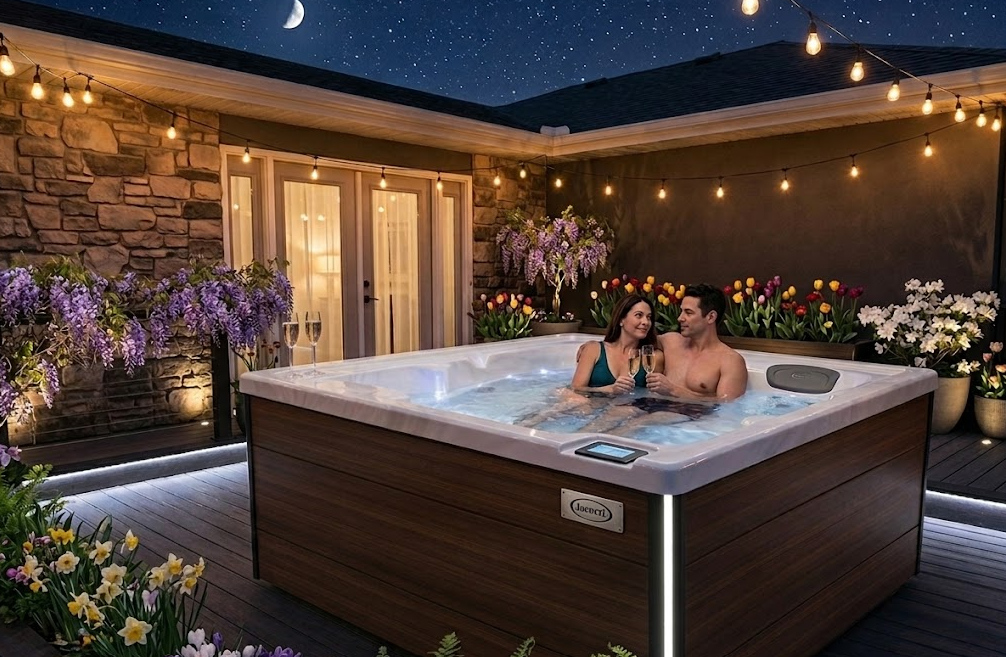





There is nothing quite like soaking in warm, bubbling water after a long day. If you have been dreaming about having your own personal oasis without the hassle of a full in-ground installation, an above ground hot tub might be exactly what you need.
Whether you are a first-time buyer or just starting to explore your options, the world of above ground hot tubs can feel a little overwhelming at first. How much do they cost? Where do you put one? What features actually matter? These are all great questions, and you are in the right place to get some answers.
In this guide, we are breaking down everything a beginner needs to know before making a purchase. From the different types and sizes available to installation tips, maintenance basics, and what to look for when comparing models, we have got you covered. By the time you finish reading, you will feel confident and informed, ready to make a decision that fits your lifestyle and your budget. Let us dive in!
What Is an Above Ground Hot Tub (And What It Is Not)
If you’ve started searching for an above ground hot tub, you’ve probably already noticed that the term gets used loosely online. Some listings show inflatable vinyl tubs, others show sleek acrylic shells, and a few show permanent in-ground installations. So let’s clear things up right from the start.
A true above ground hot tub is a hardshell, acrylic-shell unit that sits on or slightly above a prepared surface, like a backyard patio, reinforced deck, or concrete pad. It doesn’t require excavation or permanent installation into your landscaping. It’s self-contained, structurally rigid, and ready to become a long-term part of your outdoor living space.
Not All “Hot Tubs” Are Created Equal
Here’s where a lot of first-time buyers get tripped up. The terms “above ground,” “portable,” and “inflatable” often get used interchangeably, but they describe very different products. Inflatable hot tubs are entry-level PVC or vinyl structures that pump up with air. They’re affordable and easy to move, but they simply don’t deliver the same experience as a hardshell unit. A quality above ground model features a molded acrylic shell, full foam insulation, plumbed hydrotherapy jets, an integrated filtration system, and a locking thermal cover. Inflatables offer none of these at comparable quality.
A Category That’s Gone Mainstream
This isn’t a niche purchase anymore. According to hot tub industry data from Consumer Affairs, the above ground segment generated approximately $2.2 billion of the $4.3 billion global hot tub market in 2023, representing more than half of total market share. There are an estimated 7.3 million hot tubs currently in use across the U.S., with roughly 64% owned by everyday residential consumers like you.
When you’re shopping for an above ground hot tub, you should expect a model that includes an acrylic shell built for durability and comfort, foam insulation that retains heat and keeps operating costs manageable, pressure-driven hydrotherapy jets (not air bubbles), a circulation and filtration system built right in, and a locking safety cover. These aren’t luxury upgrades; they’re the baseline for a quality unit.
At Premium Spas and Billiards, the focus is squarely on hardshell above ground models suited for backyards, patios, and decks. You won’t find inflatable options here because the goal is helping you invest in something that genuinely enhances your daily wellness routine for years to come.
Above Ground vs. In-Ground Hot Tubs: Which One Is Right for You?
Once you understand what an above ground hot tub actually is, the next natural question is: how does it stack up against an in-ground model? The honest answer is that both options deliver genuine hydrotherapy and relaxation, but they serve very different buyers with very different priorities.
Installation speed alone is often the deciding factor. Above ground hot tubs can typically be up and running within a day or two. You prep a level surface, position the unit, connect the electrical, fill it with water, and you’re soaking by the weekend. In-ground installations are an entirely different undertaking. They involve excavation, utility checks, trenching, custom plumbing, and permanent construction work that can stretch over several weeks before the project wraps. For most homeowners, the faster path to relaxation is a meaningful advantage.
The cost difference is equally significant. A quality above ground hot tub can range from around $5,000 to $15,000 depending on features and size. In-ground custom spas, by contrast, routinely run from $15,000 to $30,000 or more once excavation, construction, and finishing work are factored in. That gap represents real money that can go toward landscaping, a sauna, or other upgrades that enhance your entire outdoor space.
In-ground tubs do offer one undeniable advantage: visual integration. Built flush with a patio or garden, they deliver a seamless, resort-style aesthetic that feels intentionally designed into the landscape. If you are starting a luxury backyard renovation from scratch with a generous budget and no plans to move, that built-in look can be genuinely beautiful. Learn more about how the two options compare side by side before committing to either path.
That said, modern above ground models have closed the aesthetic gap considerably. With LED lighting, quality cabinetry, and thoughtful deck integration, today’s above ground hot tubs can look just as polished and intentional as anything built into the ground. Proper insulation and a well-fitted cover also neutralize the heat retention advantage that in-ground tubs once held by default.
Perhaps the most overlooked advantage of above ground models is portability and flexibility. If you move to a new home, the hot tub moves with you. That is a genuinely meaningful consideration for homeowners who are not committing to a permanent installation. An in-ground spa stays behind, adding complexity to any future sale or relocation.
The honest summary is straightforward. In-ground suits the buyer designing a custom luxury landscape with no budget ceiling and no intention of ever relocating the investment. For the vast majority of homeowners, an above ground hot tub delivers premium comfort, health benefits, and real aesthetic appeal, without the construction commitment, the extended timeline, or the five-figure installation bill. Explore a full breakdown of above-ground versus in-ground spas to see which fits your lifestyle and long-term plans.
The Health and Wellness Benefits of Soaking in a Hot Tub
There’s a reason more than 7.3 million hot tubs are currently in use across the United States, and it goes well beyond backyard aesthetics. According to research highlighted by the Cleveland Clinic, regular hot tub use has been connected to a genuinely impressive list of health outcomes, including stress reduction, arthritis pain relief, lower blood pressure, and even improved blood sugar management in people with diabetes. These aren’t casual claims. Medical professionals are increasingly recognizing warm water therapy as a legitimate tool for preventive self-care, not just a weekend indulgence.
How Hydrotherapy Actually Works
What separates a hot tub session from a regular bath comes down to three things working together: heat, buoyancy, and jet pressure. When you lower yourself into warm water, your core body temperature rises, which causes blood vessels to dilate and circulation to improve throughout the body. That increased blood flow helps loosen tense muscles and flush out the metabolic waste that builds up after a long day or a hard workout. At the same time, the buoyancy of the water reduces the gravitational load on your joints by a significant margin, giving your knees, hips, and spine a genuine break. Add pressurized jets into the mix, and you have a massage-like effect that no bathtub can replicate. As noted by wellness experts at Shop AquaRest, the combination of warm water and jet pressure encourages the body to release endorphins while actively lowering cortisol levels, which is the hormone most associated with chronic stress.
Simple Guidelines for New Hot Tub Users
If you’re new to hydrotherapy, starting with the right habits makes a real difference. The recommended water temperature sits between 100°F and 104°F for therapeutic use. Staying within that range keeps the experience comfortable and safe without pushing your body into overheating territory. For session length, 15 to 20 minutes is the sweet spot that most experts point to. Research suggests the body reaches peak benefit from warm water therapy within that window, and Cleveland Clinic specifically cautions that sessions beyond 15 minutes can increase the risk of heat-related issues. Short, consistent sessions several times a week tend to deliver far better results than occasional marathon soaks.
Jet Placement and Targeted Relief
One of the most underrated aspects of choosing an above ground hot tub is paying attention to jet configuration. Shoulder jets positioned at upper back height are designed to work out the neck and trapezius tension that most people carry from sitting at a desk. Lumbar jets target the lower back, which is one of the most common sources of chronic discomfort for adults. Foot jets address plantar pressure and fatigue, making them particularly valuable for people who spend long hours on their feet. Thinking through where your personal pain points are before you buy helps ensure the tub you choose actually matches your wellness goals.
Part of a Bigger Wellness Shift
The growing enthusiasm for at-home hydrotherapy reflects something larger happening in how people approach their health. North America’s hot tub market is projected to grow from $577 million in 2025 at a steady rate through the next decade, driven primarily by rising wellness awareness and a cultural shift toward investing in preventive self-care at home. People are increasingly viewing a hot tub not as a luxury upgrade, but as a practical wellness tool, much like a gym membership or a standing desk. When you frame a 20-minute soak as part of your recovery and stress-management routine, the value proposition becomes very clear very quickly.
How Much Does an Above Ground Hot Tub Cost? A Tier-by-Tier Breakdown
One of the most practical questions any first-time buyer asks is simple: what is this actually going to cost me? The good news is that above ground hot tubs are available at a wide range of price points, and understanding what each tier delivers makes it much easier to shop with confidence.
Entry-Level: $1,000 to $4,000
At the lower end of the market, you’ll primarily find inflatable models and basic portable units. These options run on standard 110V power, which means no special electrical work is required, and setup is straightforward. The trade-off is real, though. Jet counts are minimal, insulation is thin, and the materials are not built to hold up to daily year-round use. If you want an occasional weekend soak or a way to test whether hot tub ownership suits your lifestyle, entry-level models can serve that purpose. Just go in knowing they are a starting point rather than a long-term solution.
Mid-Range: $4,000 to $10,000
This is where most residential buyers land, and for good reason. According to Hot Tub Cost Statistics and Pricing for 2026, the average hot tub purchase in 2026 sits around $7,500, which puts the mid-range squarely in the sweet spot for quality and value. At this tier, you’re getting hardshell acrylic or rotomolded construction, 20 to 40 jets, improved insulation ratings, LED lighting, and digital controls. These models are built for consistent daily use and are far more energy efficient than entry-level options, which can meaningfully reduce your monthly operating costs over time. For most homeowners, this tier represents the best overall investment.
Luxury: $10,000 to $25,000+
Premium above ground hot tubs in this tier deliver a genuinely resort-level experience at home. Expect 50 or more individually adjustable jets, integrated Bluetooth sound systems, ozone or UV water sanitation, advanced energy management, and high-end cabinet finishes. Warranties also improve significantly at this level, with structural guarantees often extending 5 to 10 years compared to the 1-year coverage typical of entry-level models.
Budget for the Full Picture
Beyond the unit itself, buyers should plan for several additional costs. Electrical installation for a 220V service, if not already in place, typically adds $1,000 to $3,000. A quality insulated cover runs $300 to $600, and a cover lifter adds another $150 to $400. Entry steps, a water care starter kit, and delivery and setup fees are also worth factoring in. Full installation costs for an above ground unit, including all associated work, commonly range from $4,000 to $15,000 in total.
The broader market trend tells a clear story: the above ground hot tub segment is forecast to reach $3.3 billion by 2032, and buyers across all price tiers are increasingly approaching this as a long-term home investment rather than an impulse purchase. Whatever your budget, there is a well-built option designed to meet you there.
What to Expect During Above Ground Hot Tub Installation
Getting your above ground hot tub from the showroom floor to a bubbling backyard retreat takes a bit more planning than most buyers realize. The good news is that with the right preparation, installation day can go smoothly and stress-free. Here is what to expect at each stage of the process.
Start with a Solid Foundation
Before anything else, you need to evaluate where the tub is going to sit. A filled above ground hot tub can weigh anywhere from 3,000 to 6,000 pounds depending on its size and capacity, and that combined weight of the shell, water, and occupants needs a surface that can handle the load without shifting, sinking, or cracking over time. Even a slight slope can stress the shell, strain the plumbing fittings, and cause uneven water distribution that shortens the life of your investment.
Your three best base options are a reinforced concrete pad, properly compacted gravel, or an existing deck that has been engineered to support the load. A concrete pad is the most popular choice; aim for at least 4 inches thick, with 6 inches recommended for larger models. Compacted gravel works well too, with the added benefit of natural drainage beneath the unit. If you plan to place the tub on a deck, have a structural engineer or qualified contractor confirm the deck is rated for several thousand pounds of sustained weight before you commit to that location.
What does not work: bare grass, loose dirt, or unsealed wood. Soil compresses and shifts under heavy, constant load, which causes uneven settling and can crack the tub shell or damage plumbing. Unsealed wood deteriorates quickly from moisture exposure, and an unrated deck can fail entirely under that kind of weight. Skipping this step is one of the most common and costly mistakes first-time buyers make. For a detailed walkthrough of hot tub installation steps, reputable resources can help you visualize each phase.
Understand Your Electrical Needs
Electrical setup is where many buyers get caught off guard. Most quality above ground hot tubs require a dedicated 240V/50A circuit with GFCI protection, which must be installed by a licensed electrician. A ground fault circuit interrupter is not optional; it is a National Electrical Code requirement for all hot tub installations. The electrician will also install a weatherproof disconnect box positioned within sight of the tub but at least 5 feet away. Budget electrical work as a separate line item, since it is rarely included in the purchase price.
Some entry-level models run on a standard 110V plug-and-play connection, which lowers the upfront setup cost. However, these units come with real trade-offs: slower heat-up times, limited jet pressure, and the inability to run the heater and jets simultaneously at full capacity. If you want a true spa experience, a dedicated 240V circuit is worth the added investment. A comprehensive step-by-step guide for homeowners can help you map out all of these requirements before your delivery date arrives.
Plan for Delivery Day
Professional delivery teams use specialized equipment including rollers and furniture dollies to move the tub from the truck to its final resting spot. Your job before they arrive is to clear a path at least 3 feet wide from the delivery vehicle to the installation site. Remove fence sections, patio furniture, or any obstacles along that route in advance. Hot tubs generally cannot be tipped on their side without risking internal component damage, so a clear, direct path is essential.
Also confirm that your concrete pad has had a full 28-day cure time before the tub arrives, and make sure any required local permits are already approved. Many municipalities require a building permit for hot tub installation, so check with your local building department early in the planning process.
Let an Expert Guide You Through It
All of this may sound like a lot to coordinate, and honestly, it can be if you are figuring it out on your own. That is exactly where working with a knowledgeable team from the start makes a significant difference. The team at Premium Spas and Billiards walks buyers through site requirements, electrical needs, and access planning before delivery day ever arrives. That kind of upfront guidance prevents expensive surprises like emergency concrete work, permit delays, or a delivery team that cannot reach the installation site.
Energy Efficiency and Monthly Operating Costs: What to Really Expect
Let’s address the elephant in the room: yes, running an above ground hot tub does add to your monthly electricity bill. But here’s what most people don’t realize until after they start researching more carefully. The actual numbers are far more manageable than the fear around them. A well-insulated above ground hot tub typically costs between $20 and $50 per month to run in electricity, depending on your climate, how often you use it, and the efficiency of the model you choose. That’s a realistic, widely cited industry benchmark, and for most homeowners, it’s genuinely comparable to other household appliances they never think twice about. According to Pool & Spa Depot’s breakdown of hot tub running costs, this question is one of the most frequently asked at point of sale, which tells you it’s worth understanding before you buy rather than after.
The Four Factors That Actually Control Your Monthly Bill
Not all above ground hot tubs cost the same to run, and the difference often comes down to four specific variables.
Insulation density is the biggest one. Full-foam models fill every cavity between the shell and the cabinet with high-density foam, locking heat inside where it belongs. Partial-foam or no-foam budget models lose heat constantly through those empty spaces, forcing the heater to work much harder just to maintain temperature. Cover quality is a close second. Heat rises, and the surface of your hot tub is where the most energy escapes. A thick, well-sealed cover with a dense foam core makes a dramatic difference; a worn or waterlogged cover does the opposite.
Pump efficiency matters more than most buyers expect. Modern energy-efficient models use low-speed circulation pumps that run continuously at minimal wattage, sometimes as little as 50 to 100 watts, rather than cycling powerful jet pumps on and off. Finally, your thermostat habits play a bigger role than many people realize. Keeping your tub at a steady set temperature is almost always more efficient than letting it cool down and reheating from scratch repeatedly. It feels counterintuitive, but the physics are clear.
How Modern Design Is Making Efficiency the Default
Today’s above ground hot tub manufacturers are actively closing the efficiency gap. High-density foam insulation, thermally efficient cabinet materials, and dedicated low-speed circulation pumps are now standard features on quality mid-range and premium models. As the Sundance Spas team notes in their coverage of the hidden costs of hot tub ownership, understanding ongoing costs upfront is essential, and the industry has responded by engineering products that keep those costs predictably low.
Smart technology is another meaningful lever. Programmable heating schedules and energy monitoring apps let you shift your heating cycles to off-peak electricity rate windows, which in many markets can be 30 to 50 percent cheaper than peak daytime rates. If you’re on a time-of-use electricity plan, this feature alone can shave meaningful dollars off your bill every month.
Why Paying More Upfront Often Costs Less Overall
Here’s the investment framing that changes how most buyers see this decision. Suppose a budget model with poor insulation costs $600 per year to run, while a premium energy-efficient model costs $240 per year. That’s a $360 annual difference. If the premium model costs $1,000 more upfront, you’ve recovered that difference in under three years, and you still have a decade or more of lower operating costs ahead of you. Spread across a typical 10 to 15 year lifespan, that upfront investment pays you back many times over. Choosing based on sticker price alone, without factoring in operating costs, is one of the most common and costly mistakes first-time buyers make.
Using Your Above Ground Hot Tub Year-Round (Yes, Even in Winter)
Here’s something that surprises a lot of first-time buyers: the people who love their above ground hot tubs the most are often the ones using them in January. Winter soaking has a dedicated fan base for good reason. Stepping into 102-degree water while the cold air swirls around you creates a sensory contrast that feels genuinely luxurious, and many owners describe it as one of the most relaxing experiences their tub delivers all year. If seasonal hesitation is holding you back from pulling the trigger, it’s worth knowing that these tubs are engineered specifically for year-round use, not just summer afternoons.
Your Cover Does More Work Than You Think
The single most important accessory for year-round performance is a high-quality, well-fitting insulated cover. A good cover does several things at once: it traps heat so your heater isn’t working overtime, it keeps leaves, debris, and precipitation out of the water, and it protects the shell surface from UV exposure and freeze damage during the coldest months. Skimping on a cover is one of the most common mistakes new owners make, and it often shows up as a noticeably higher electric bill. A well-insulated cover pays for itself quickly, especially if you’re in a colder climate. According to Hot Spring Spas’ winter use guidance, keeping your cover in good condition is one of the top recommendations for cold-weather ownership.
Cold-Climate Tip: Keep It Running
If you live somewhere with sustained sub-freezing temperatures, the best approach is to keep your hot tub running rather than draining it for the season. Maintaining a reduced setpoint temperature, rather than shutting the system down entirely, protects the plumbing components and internal equipment from freeze damage. Draining and winterizing sounds practical, but it means weeks without access and potential risks if the weather turns before you’re ready to refill.
Winter Wellness You Can Feel
The wellness benefits of winter soaking go beyond comfort. Research supports the idea that soaking in warm water before bed triggers the body’s natural cooling response once you step out, which signals the brain that it’s time to sleep. During the holiday season, when stress tends to peak, a consistent 15-to-20-minute evening soak can become one of the most effective wind-down rituals you have. As noted in a Master Spas owner community discussion, regular soaking contributes meaningfully to overall sense of well-being, even through the coldest months.
And when summer rolls around, you don’t have to give anything up. Simply lower the temperature to around 95°F to 98°F, and what was a hot soak becomes a warm, comfortable dip that still delivers the hydrotherapy benefits without overheating you on a warm evening.
Smart Features That Make a Real Difference in Your Hot Tub Experience
If you’ve been shopping for an above ground hot tub recently, you may have noticed that smart technology is no longer reserved for the most expensive models on the floor. Features like Wi-Fi app control, Bluetooth audio, and LED lighting systems have become standard expectations in mid-to-upper-tier above-ground spas, and for good reason. These aren’t just selling points; they genuinely change how you use and maintain your tub over the long run.
App connectivity is where smart features deliver the most practical value. With a connected hot tub, you can preheat the water on your commute home, drop the temperature to standby mode when you leave for a long weekend, and set heating schedules that align with off-peak electricity hours. If your utility offers time-of-use pricing, off-peak rates can run significantly lower than peak rates, so automated scheduling pays for itself in real savings rather than just convenience. Many apps also send water chemistry alerts before anything becomes visibly wrong, which means fewer chemicals, fewer headaches, and a more consistent soaking experience overall.
LED lighting deserves more credit than it usually gets. Underwater lighting and exterior cabinet illumination do more than look beautiful; they extend your usable hours well into the evening, which is actually when most people want to soak. A well-lit hot tub also becomes a natural anchor for your entire backyard space, creating ambient atmosphere that ties together your outdoor living area whether you’re hosting friends or winding down solo after a long day.
Water sanitation technology has also made meaningful strides. Ozone and UV-C purification systems work alongside your standard sanitizer to break down contaminants more efficiently, reducing how much chemical maintenance your water actually needs. The result is softer-feeling water that’s gentler on skin and eyes, which you’ll notice immediately.
The most important advice when evaluating smart features is straightforward: prioritize function over novelty. A reliable app interface, responsive controls, and effective water monitoring add real long-term value. Features that seem exciting in a showroom but serve no practical purpose on a Tuesday night after work will collect dust just as quickly as they attracted your attention.
Building a Backyard Retreat Around Your Hot Tub
Think of your above ground hot tub not as a single purchase, but as the cornerstone of something much bigger. The most satisfying hot tub owners are rarely the ones who dropped a tub on a concrete pad and called it done. They’re the ones who built an experience around it, layering in elements that transform the backyard into a space the whole family genuinely wants to spend time in. That shift in thinking, from product to environment, is what separates a good investment from a great one.
Create the Space Around the Soak
Once your hot tub is in place, a few well-chosen additions can take the setting from functional to genuinely resort-like. A pergola or privacy screen does double duty: it creates visual separation from neighbors while giving the space a defined, intentional feel. Weatherproof string lights or low-voltage path lighting add warmth after dark and make evening soaks far more inviting. For seating, materials like teak, HDPE resin, or powder-coated aluminum hold up beautifully in wet environments without the constant upkeep of traditional wood. And if your hot tub includes built-in Bluetooth speakers, consider extending that audio experience outdoors with a weatherproof sound system so the ambiance carries beyond the water’s edge. These aren’t extravagant extras; they’re the finishing touches that make you actually use the space every day.
Round Out Your Wellness Ecosystem
This is where the vision really expands. According to Lifestyle Outdoor’s breakdown of the top backyard leisure upgrades, hot tubs, swim spas, and saunas together form the foundation of a complete home wellness environment. A swim spa adds low-impact aquatic fitness and active recovery to your routine, which complements the stress-relief benefits of your hot tub beautifully. A sauna, whether installed outdoors beside the tub or indoors as a dedicated wellness room, introduces dry heat therapy that supports detoxification, muscle recovery, and deep relaxation in a way that hydrotherapy alone cannot replicate. At Premium Spas & Billiards, these products are designed to work together as a cohesive lifestyle upgrade. Round things out with a game room setup, including a pool table, shuffleboard, or arcade options, and you’ve created a home that genuinely competes with any resort weekend.
The Staycation That Pays for Itself
More homeowners are recognizing that a well-equipped backyard is a smarter long-term investment than recurring travel costs. Thoughtful outdoor installation planning shows that the deliberate decisions, from surface materials to structural surrounds, are what give a backyard space lasting value and daily usability. A hot tub and sauna combination, paired with comfortable outdoor living amenities, can deliver a genuine spa-quality experience on a weeknight in your own backyard. These are considered home improvements with real daily-use return; they deepen wellness routines, create space for family connection, and make home feel like the destination.
Ready to Find Your Above Ground Hot Tub?
By this point in your research, you have everything you need to move forward with confidence. Above ground hot tubs deliver a genuinely compelling combination of wellness benefits, installation flexibility, and accessible pricing that simply works for most homeowners. Whether you’re drawn to the stress relief, the muscle recovery, the winter soaking rituals, or simply the idea of a private backyard escape, the right model is out there waiting for you.
Before you set a budget ceiling, spend a few minutes thinking about which features actually matter to your lifestyle. A household focused on therapeutic pain relief will prioritize jet placement and hydrotherapy zones. A family looking for a social centerpiece will lean toward larger seating capacity and entertainment features. Knowing your priorities first makes the pricing tiers much easier to navigate.
And if you’re still a little nervous about installation, take a breath. With an experienced team guiding you through site prep, delivery logistics, and setup, the process is far more straightforward than most buyers expect going in.
The team at Premium Spas & Billiards is ready to help you find the model that fits your space, your lifestyle, and your budget. Think of it less as a sales conversation and more as a planning session with people who genuinely know this stuff. Explore our hot tub selection, ask your questions, and let us point you in the right direction.
Your home deserves to be a place where recovery happens, where connections deepen, and where everyday stress simply melts away. Check out this hot tub buying guide for 2025 for additional perspective, and when you’re ready, we’re here to help you take the next step toward a warmer, more restorative daily life.
Conclusion
Choosing an above ground hot tub does not have to be complicated. By understanding the different types available, knowing what features matter most, planning for proper installation, and committing to a simple maintenance routine, you can find the perfect fit for your home and lifestyle.
The right hot tub is out there waiting for you, and it is more accessible than you might think. Whether you are drawn to the affordability of an inflatable model or the durability of a hard-sided unit, there is an option that matches your budget and your vision.
Now it is time to take the next step. Browse our top-rated picks, compare your favorite models side by side, and get ready to bring that backyard retreat to life. Your perfect soak is closer than you think.