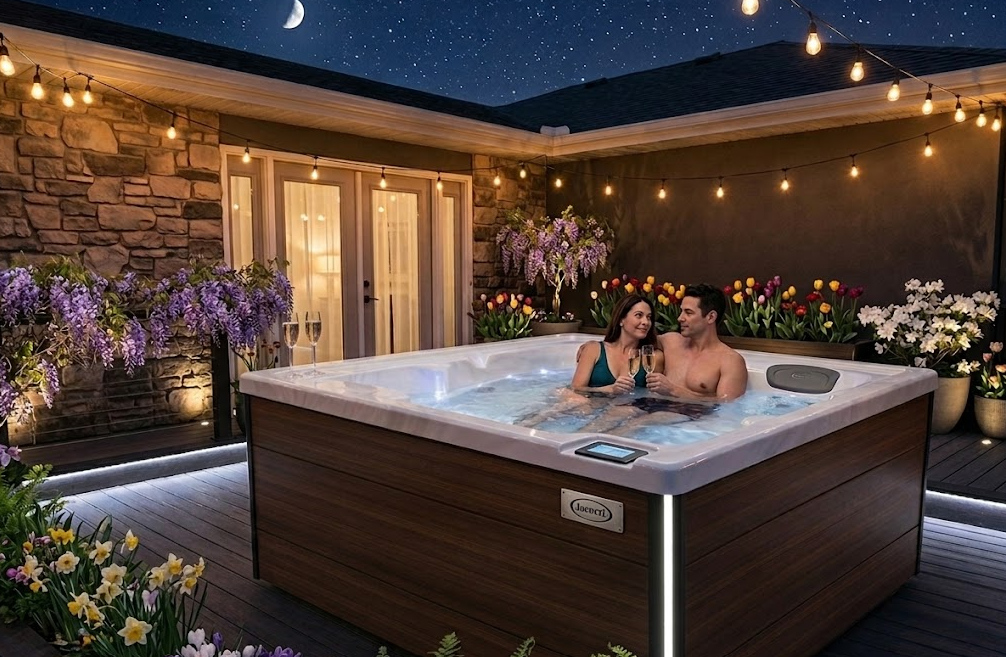





Imagine stepping into your own private sauna after a long, stressful day, right in the comfort of your backyard. No gym membership, no crowded spa, just pure relaxation whenever you want it. Sounds pretty amazing, right?
Outdoor saunas for home have exploded in popularity over the past few years, and it’s easy to see why. They offer incredible health benefits, boost your property value, and honestly, they just make life feel a little more luxurious. But if you’ve never bought one before, the whole process can feel pretty overwhelming. There are so many options, sizes, styles, and price points to consider that it’s hard to know where to even begin.
That’s exactly why we put this guide together. Whether you’re just starting to explore the idea or you’re ready to make a purchase, this complete buyer’s guide will walk you through everything you need to know. From choosing the right type and size to understanding key features and avoiding common mistakes, we’ve got you covered from start to finish. Let’s dive in!
Why Outdoor Saunas Are Becoming a Home Wellness Essential
Something interesting is happening in the world of home wellness, and the numbers tell a compelling story. The global sauna market was valued at USD 937.34 million in 2025 and is projected to nearly double to USD 1,715.41 million by 2035. That kind of growth does not happen around a niche luxury product. It happens when something crosses over into everyday life, and that is exactly what outdoor saunas are doing right now.
What makes this shift even more exciting for homeowners is that the outdoor sauna cabin segment is growing even faster than the broader market, at a projected CAGR of 8.4% through 2033. People are not just buying saunas; they are specifically bringing them home and putting them in their backyards. That signals a real change in how we think about our outdoor spaces, less as places to park lawn chairs and more as personal wellness destinations.
The health benefits driving this wave of adoption are hard to ignore. Regular sauna use has been linked to meaningful cardiovascular support, faster post-workout muscle recovery, full-body detoxification through deep sweating, and significant reductions in stress hormones like cortisol. Better sleep quality is another benefit that sauna users frequently report, making it a powerful wind-down ritual at the end of a long day.
One of the biggest practical advantages of owning an outdoor sauna is freedom from the gym. According to Forbes Vetted’s 2026 home sauna guide, gym schedule dependency is a real barrier to consistent sauna use, and home ownership solves that completely. Your sauna is ready when you are, whether it is a Tuesday morning in January or a Sunday evening in July.
Perhaps the most exciting development is the rise of the backyard wellness circuit. As explored in this 2026 outdoor sauna guide, homeowners are increasingly pairing outdoor saunas with cold plunges and hot tubs to create contrast therapy routines right in their own yards. This “fire and ice” approach is reshaping outdoor living from simple relaxation into a true lifestyle investment that supports health, recovery, and daily wellbeing all year long.
Outdoor Sauna Styles Explained: Which Shape Is Right for Your Backyard?
Once you’ve decided that an outdoor sauna belongs in your backyard, the next question is equally exciting: which style actually fits your space, your lifestyle, and your design vision? The good news is that today’s market offers more variety than ever, and each shape has genuine strengths that make it the right fit for certain homeowners.
1. Barrel Saunas: Efficient, Compact, and Naturally Beautiful
The barrel sauna is probably the most recognizable outdoor style, and its popularity is well-earned. That curved, cylindrical design does more than just look good. Hot air naturally circulates in a circular pattern along the rounded walls, which means the interior heats up faster and more evenly than a boxy structure of comparable size. Because the ceiling curves down toward the benches, there is less dead air space to warm up, making barrel saunas especially efficient with both wood-fired and electric heaters. They also fit beautifully into natural settings, blending into garden landscapes far more organically than a flat-walled structure. If your yard is on the smaller side, or has an awkward corner that needs filling, a barrel sauna is often the most practical choice.
2. Cabin Saunas: The Classic Choice for Families and Groups
According to this outdoor sauna guide for backyard buyers, a cabin sauna is “what most people envision when they think about outdoor saunas,” and that reputation is built on real advantages. The rectangular footprint allows for generous headroom, two rows of bench seating, and flexible interior layouts that can comfortably accommodate anywhere from four to eight people at once. If you regularly host family gatherings or want a sauna that grows with your household, the cabin style offers the most usable interior space per square foot of any outdoor configuration. It also pairs naturally with a traditional wood-fired or electric heater setup and suits almost any backyard aesthetic without feeling too modern or too rustic.
3. Cube Saunas: A Modern Design Statement
For homeowners whose outdoor spaces lean toward clean, contemporary architecture, the cube sauna is a standout choice. Its sharp lines and angular profile complement modern home exteriors in a way that barrel and cabin styles simply cannot. As explored in this overview of top outdoor saunas heading into 2026, cube-style units have become one of the most sought-after backyard wellness features precisely because they function as both a practical sauna and a visual focal point. Many cube models also incorporate large windows and thoughtful lighting, turning the sauna itself into an architectural element you can appreciate from indoors.
4. Pod Saunas: Cozy, Compact, and Distinctive
Pod saunas take a more unconventional approach, featuring a rounded or triangular silhouette with softened edges that creates an almost cocoon-like feel inside. They work particularly well on smaller patios, side yards, or anywhere space is at a premium but personality is not. The immersive, enclosed atmosphere inside a pod sauna tends to feel more intimate than a cabin, making it an appealing option for solo wellness routines or couples looking for a private retreat. Per What Is an Outdoor Sauna? Your 2026 Backyard Guide, pod-style saunas are gaining ground as homeowners increasingly prioritize unique outdoor features that double as conversation pieces.
5. Getting the Capacity Right
Across all four styles, outdoor saunas are available in configurations ranging from intimate 2-person units to spacious 8-person premium models. Before falling in love with a particular shape, it is worth being honest about how you actually plan to use the sauna. A couple who will primarily use it for evening wind-down sessions does not need the same footprint as a family of five who wants to sauna together on winter weekends. Choosing a size that matches your realistic usage patterns keeps costs in check while ensuring the experience never feels cramped. Most homeowners find that a 4-person to 6-person model hits the sweet spot between everyday practicality and occasional entertaining.
Infrared vs. Traditional Outdoor Saunas: What Is the Difference?
Once you’ve chosen the style of sauna that fits your backyard, the next decision comes down to how it actually heats you. This is where many first-time buyers pause, because the difference between infrared and traditional saunas goes beyond just temperature. Understanding how each one works makes it much easier to choose the right fit for your wellness goals.
The Classic Experience: Traditional Saunas
Traditional saunas, whether heated by a wood-burning stove or an electric heater, work by warming the air inside the cabin to temperatures between 170°F and 195°F. That high ambient heat is what produces the deep, enveloping warmth that sauna enthusiasts have loved for centuries. One of the most beloved features of the traditional sauna is the ability to pour water over hot volcanic rocks, creating a burst of steam that intensifies the experience. This ritual, known in Finnish culture as löyly, is central to the authentic sauna experience and is something infrared saunas simply cannot replicate. If you want the ceremonial side of sauna bathing and enjoy intense, steam-filled heat, a traditional wood-fired or electric sauna is likely your match.
A Gentler Approach: Infrared Saunas
Infrared saunas take a fundamentally different approach. Rather than heating the air around you, infrared emitters send radiant heat directly into your body’s soft tissue. The ambient temperature inside stays much lower, typically between 120°F and 150°F, which makes sessions feel far more comfortable for many people. According to the Mayo Clinic, infrared saunas have been explored for conditions including chronic pain, chronic fatigue, and cardiovascular health, pointing to a strong therapeutic profile. Because the heat penetrates deeply at a more manageable temperature, infrared saunas are especially popular among those focused on muscle recovery, joint relief, and stress reduction after workouts. Sessions also tend to run longer, often 30 to 45 minutes, compared to the shorter, more intense sessions typical of traditional saunas.
Full-Spectrum Infrared and Red Light Therapy: The Premium Tier
Standard infrared saunas usually emit far-infrared wavelengths, which are excellent for detoxification and deep relaxation. Full-spectrum infrared units go further by combining near, mid, and far infrared wavelengths, each targeting different layers of tissue for a more complete recovery experience. This makes full-spectrum an appealing upgrade for wellness-focused buyers who want more than a single-purpose session. Taking things even further, some high-end models now integrate red light therapy panels directly into the sauna cabinet. Red light therapy, which operates in the 630 to 850nm wavelength range, is associated with collagen stimulation, enhanced muscle recovery, and cellular repair. These hybrid units represent the cutting edge of home sauna technology in 2026, combining multiple recovery modalities in a single session.
Choosing What Is Right for You
The honest answer is that neither option is universally better. As this helpful breakdown of infrared vs. traditional saunas explains, the right choice comes down to what you actually want from your sessions. If you crave the high-heat, steam-soaked ritual of a Finnish sauna experience, a traditional model delivers that in full. If your priority is deep tissue recovery, joint comfort, or a gentler heat profile you can use more frequently, infrared is likely the better fit. And if you want the most advanced recovery toolkit available for your backyard, a full-spectrum or red light hybrid sauna could be worth the investment.
Outdoor Sauna vs. Indoor Sauna: How to Decide
Now that you understand the different sauna styles and heating options available, the next big question is where your sauna will actually live. This is a genuinely personal decision, and there is no single right answer. Let’s walk through the key factors so you can choose with confidence.
The case for going outdoors is strong for most homeowners with available yard space. Outdoor saunas give you more flexibility in sizing, since you are not limited by interior room dimensions. You can choose a spacious 4-person barrel sauna or a full cabin-style unit without sacrificing a bedroom or basement storage area. There is also something deeply restorative about stepping outside, surrounded by fresh air and natural elements, before or after your session. That connection to the outdoors adds a layer of relaxation that is genuinely hard to replicate inside. If you’re curious about the range of options, this helpful breakdown from Sauna Place covers the key differences in depth.
Indoor saunas have their own real advantages, particularly for homeowners in climates where winter means months of heavy snow, icy walkways, or relentless wind. If walking outside at 6 a.m. in January feels like an obstacle, proximity to your bathroom and changing area becomes a meaningful perk. Urban homeowners or those in smaller properties often find that a well-placed indoor unit fits naturally into a bathroom corner, spare room, or basement.
Climate matters more than most buyers initially realize. Quality outdoor saunas built from cedar and properly insulated materials handle four-season use exceptionally well. However, extreme wind exposure or persistent freezing conditions may require additional weatherproofing investment. Sauna Fin’s comparison guide offers practical guidance on evaluating your specific climate before deciding.
Before purchasing any outdoor unit, check with your local municipality and HOA. Some areas require permits for permanent backyard structures, and restrictions can affect placement or size. Taking thirty minutes to verify these details upfront can save significant headaches later.
Finally, think about your long-term lifestyle vision. Outdoor saunas are widely regarded as a premium backyard amenity that adds tangible appeal to your property. Indoor units tend to suit urban settings or tighter budgets better. Either way, your wellness routine wins.
Year-Round Use: Do Outdoor Saunas Work in Winter?
One of the most common questions first-time buyers ask is whether an outdoor sauna is still practical when temperatures drop below freezing. The short answer is yes, and for many people, winter is actually the best time to use one.
Built for the Cold
The key to cold-weather performance is construction quality. Well-built outdoor saunas use thick cedar or thermowood walls, typically ranging from 40mm to 70mm, combined with quality door seals that lock in heat even when it is well below freezing outside. These thicker walls act as natural insulation, allowing the sauna to reach and hold temperatures between 170°F and 195°F without working excessively hard. Most outdoor saunas reach their target temperature within 30 to 60 minutes, though that range can shift slightly depending on how cold it is outside and how well the unit is sealed. If you live somewhere that sees serious winters, look for models with tight-fitting doors and double-wall construction for the most efficient heat-up experience.
Roof Style Matters More Than You Think
If you get heavy snowfall, the shape of your sauna roof deserves real attention. Cabin-style saunas with pitched roofs naturally shed snow, reducing the structural stress that accumulates over a long winter. Flat-roofed cube saunas have a sleek, modern look that works well in milder climates, but in regions with significant snowfall they may require manual clearing to prevent excess weight buildup. This is a practical consideration worth discussing with your sauna consultant before making a final decision.
Infrared Saunas Shine in Cold Weather
Infrared saunas tend to perform especially consistently in cold climates because their electric heating systems are not affected by combustion challenges in low temperatures. Many current models also include app controls and programmable timers, so you can schedule your sauna to be warm and ready before you even step outside.
Simple Winter Maintenance
Keeping your outdoor sauna in great shape through winter is straightforward with a few basic habits. Treat the exterior wood regularly to prevent moisture absorption, check that ventilation gaps stay clear of ice buildup, and run the heater occasionally during long stretches of non-use to keep internal moisture from accumulating. Thermowood and heat-treated cedar, both common in today’s quality outdoor saunas, are naturally more resistant to moisture and tend to require less ongoing maintenance in wet winter conditions.
Winter Is the Point
Here is a perspective shift worth considering: cold weather is not an obstacle to outdoor sauna use. It is the whole idea. The traditional Nordic practice of moving between intense heat and cold outdoor air is one of the oldest and most celebrated wellness rituals in the world. Stepping out of a 185°F sauna into crisp winter air and back again is not a drawback; it is exactly what generations of Finnish and Scandinavian wellness culture have been built around. Having that experience available in your own backyard, any evening you choose, is one of the most compelling reasons to invest in an outdoor home sauna.
Installation Basics: What You Need to Know Before You Buy
So you’ve found your ideal sauna style and heating type. Now comes the part that first-time buyers often underestimate: making sure your backyard is actually ready to receive it. A little planning upfront saves you from expensive surprises down the road.
Start With Your Foundation
The single most important pre-installation step is getting your foundation right, and this is not something to skip or improvise. Outdoor saunas are heavy. Smaller prefab cabins can weigh around 500 pounds, while larger traditional structures can exceed 2,000 pounds fully assembled. That kind of weight demands a surface that is level, stable, and built to last.
Your main options are a poured concrete pad, a compacted gravel base, or existing deck framing that has been confirmed structurally rated for the load. Each option has its place depending on your budget and site conditions, but none of them forgives poor preparation. Uneven settling leads to misaligned doors, wall gaps, and potentially voided warranties, so take this step seriously before anything else. Per this outdoor sauna buying guide, site preparation is one of the first and most consequential decisions you will make.
Understand Your Electrical Needs
Most electric outdoor saunas, both traditional and infrared models, require a dedicated 240V electrical circuit. This is similar to what a clothes dryer or hot tub demands. Your home’s electrical panel needs available breaker slots and sufficient amperage, and a licensed electrician is typically required for the final connection. If your panel is already near capacity, budget for an upgrade.
Wood-fired saunas sidestep the electrical requirement entirely, which appeals to many buyers. However, they introduce their own set of needs, including adequate flue clearance, chimney height requirements, and safe setbacks from combustible materials. Neither option is automatically simpler; they just involve different planning considerations.
Check Permits and Placement Before You Commit
Many municipalities require building permits for permanent outdoor structures, particularly those above a certain square footage threshold. This threshold varies widely by location, so contacting your local planning or building department before purchase is essential. Buyers who skip this step risk fines, stop-work orders, or being required to remove a fully installed unit. If you belong to a homeowners association, check those rules as well, since HOA restrictions can apply independently of local permits.
Placement also affects your daily experience and installation costs. Shorter distances from your home reduce electrical run length and cost. You also need adequate clearance from fences, trees, and neighboring structures for safety, proper airflow, and manufacturer warranty compliance. This 2026 backyard guide highlights siting decisions as a primary planning factor that directly shapes long-term satisfaction.
Let the Experts Handle the Heavy Lifting
Professional delivery and installation make a meaningful difference, especially for first-time buyers. Proper leveling, safe electrical hookup, and initial heater calibration are not DIY-friendly tasks, and getting them wrong affects both performance and safety. The team at Premium Spas and Billiards walks you through every step, from initial site consultation to final setup, so you can focus on enjoying your new wellness space rather than troubleshooting it.
What Do Outdoor Home Saunas Cost? A Realistic Price Breakdown
Budget is often the first real question that brings a sauna search into focus, and the good news is that outdoor saunas for home are available across a wide range of price points. Understanding where the tiers fall helps you shop with confidence rather than sticker shock.
Entry Level: $3,000 to $6,000
At the entry level, you’re looking primarily at barrel saunas sized for two to three people. These units typically feature solid cedar construction, which holds up beautifully outdoors, paired with a basic electric or wood-fired heater. You won’t get premium insulation packages or upgraded interior finishes at this price, but you will get a genuine, functional sauna experience. For individuals or couples just beginning their home wellness journey, this tier delivers real value. According to real-number cost data for outdoor saunas, the barrel form factor is popular here because its curved shape promotes efficient heat circulation and faster warm-up times.
Mid-Range: $6,000 to $12,000
Stepping up to four to six person cabin and cube saunas, you gain noticeably better insulation, higher-output heaters, and more refined interior finishes. This tier is popular with families and those who want a more substantial backyard feature. Most units here require a dedicated 240V electrical circuit, so factor that into your planning early.
Premium: $12,000 to $20,000 and Above
At the top of the market, options include large-capacity six to eight person custom cabins, full-spectrum infrared models, and units equipped with smart app controls and red light therapy integration. High-end material upgrades like thermally modified wood and architectural glass are also common at this level. For a full picture of what ownership costs look like beyond the purchase price, the outdoor sauna cost of ownership guide is worth reviewing.
Installation and Long-Term Value
Beyond the purchase price, budget an additional $500 to $3,000 for foundation preparation and electrical work, depending on your site. Flat yards with existing infrastructure sit at the low end; new concrete pads and panel upgrades push costs higher. The encouraging perspective is that outdoor saunas are increasingly recognized as premium home amenities that add measurable property value, making this less of a splurge and more of a lasting investment in your home and your wellbeing.
Wood, Materials, and Durability: What to Look For in an Outdoor Sauna
When it comes to how long your outdoor sauna lasts and how well it performs year after year, the materials used in its construction matter just as much as the heating system inside. Here is what to look for before you buy.
Western red cedar is the gold standard, and for good reason. This wood has been the benchmark for outdoor sauna construction in North America for decades. Cedar is naturally resistant to moisture, insects, and the constant expansion and contraction that comes with temperature cycling through hot sessions and cold outdoor air. It holds its shape remarkably well over time, resists warping and splitting, and carries a pleasant aromatic quality that genuinely adds to the sauna experience. If you want a low-maintenance, long-lasting outdoor sauna, cedar is the most dependable starting point.
Nordic spruce and hemlock are strong alternatives worth considering, especially if you prefer a lighter, more neutral wood tone or are working within a tighter budget. Both species handle heat well without leaching resin, which is an important quality in any sauna wood. Hemlock in particular is praised for its stability and smooth surface. One practical note: in wet or rainy climates, spruce and hemlock benefit from more consistent exterior sealing than cedar typically requires. A little extra maintenance effort keeps them performing beautifully.
Wall thickness is a number worth paying attention to. Look for walls of at least 40mm if you live in a warmer region, and 60mm or thicker if you plan on year-round use in colder northern climates. Thicker walls mean better heat retention, faster warm-up times, and lower energy costs over the long run.
Hardware and glass details are easy to overlook but genuinely matter over years of outdoor use. Tempered glass doors and stainless steel hinges handle humidity and temperature swings far better than standard alternatives. These components take daily stress, so quality here pays dividends.
Maintenance is simple but consistent. Treating the exterior wood annually, wiping down the interior after each session, and having the heater inspected periodically keeps a well-built outdoor sauna running strong for 15 to 20 years or more.
Pairing Your Outdoor Sauna with a Hot Tub or Cold Plunge
If you have ever wondered whether your outdoor sauna could be part of something bigger, the answer is yes, and the concept has a name: the backyard wellness circuit. Combining a sauna, a cold plunge, and a hot tub into one cohesive outdoor routine is one of the fastest-growing home wellness trends of 2026. The practice is far from new, though. Nordic and Eastern European cultures have spent centuries cycling between intense heat and cold water as a form of recovery, stress relief, and social ritual. What is new is that homeowners across North America are now recreating that experience in their own backyards.
The science behind it is surprisingly straightforward. When you step out of a sauna running at 170°F or higher and enter cold water, your blood vessels shift dramatically, pushing circulation from the surface of your skin back toward your core. That cycle reduces muscular inflammation, triggers a release of mood-boosting endorphins, and leaves you with a lasting sense of calm and mental clarity that neither heat nor cold produces on its own. It is the combination that makes the difference.
Adding a hot tub into the circuit serves a different purpose entirely. Rather than creating contrast, the hot tub acts as a gentle transition, offering buoyancy, hydrotherapy jets, and soothing warmth that helps your muscles unwind gradually after the intensity of the sauna session. Think of it as the final, rewarding chapter of your wellness routine.
At Premium Spas & Billiards, you can find outdoor saunas alongside a carefully selected range of hot tubs and swim spas all in one place, which makes designing a complete wellness circuit far simpler than sourcing each piece separately.
Layout matters just as much as the products themselves. Positioning your sauna and cold plunge within a few steps of each other maximizes the contrast therapy benefit, while placing the hot tub nearby completes the visual and functional flow of the space. When these elements are arranged thoughtfully and built with complementary materials like cedar and natural stone, the result is a backyard that feels less like a collection of products and more like a personal retreat.
How to Choose the Right Outdoor Sauna for Your Home
With so much information out there, narrowing down the right outdoor sauna can feel overwhelming, especially if this is your first purchase. Breaking the decision into a few clear steps makes the process much more manageable.
1. Start with your space. Before you fall in love with a specific model, walk your backyard and take honest measurements. Identify a level area with good drainage and check how close it sits to your electrical panel, since most outdoor saunas require a dedicated 240V circuit. Your available footprint will naturally eliminate certain sizes and styles, which actually simplifies your choices rather than limiting them.
2. Get clear on your wellness goals. Traditional saunas reach temperatures of 170 to 195 degrees Fahrenheit and deliver that classic high-heat, steam-capable experience. Infrared models run cooler and gentler, making them easier to use daily and well-suited for recovery, stress relief, and first-time sauna owners. Knowing which experience appeals to you most will point you toward the right heating type immediately.
3. Budget for the full picture. The unit price is just the starting point. Factor in foundation prep, electrical installation, and any accessories like upgraded benches, lighting, or privacy screening so there are no surprises after purchase.
4. Size for how you will actually use it. Think about who will realistically use the sauna on a regular basis, not just on special occasions. Oversized units cost more to heat and maintain, so right-sizing saves money over time.
5. Lean on expert guidance. The team at Premium Spas and Billiards offers personalized consultations to help you match the right sauna to your specific yard, climate, and lifestyle, so you invest with confidence from day one.
Your Backyard Sauna Awaits
At the end of the day, an outdoor sauna is so much more than a backyard addition. It is a long-term investment in your health, your recovery, and the kind of daily ritual that genuinely changes how you feel. Whether you are stepping in after a workout, unwinding on a cold winter evening, or simply carving out a few quiet minutes for yourself, your backyard becomes something entirely different once a sauna is part of it.
The steps that matter most are straightforward: assess your space and foundation needs, choose a heating style that matches your wellness goals, build a realistic budget that includes installation and electrical work, and plan for year-round use from day one. Taking each of these seriously upfront will save you time, money, and surprises later.
Yes, the process can feel like a lot to navigate at first, but the right guidance makes it far more manageable than it looks. And the payoff, stepping into your own warm, private sauna on any given evening, is genuinely one of the most rewarding home improvements you can make.
When you are ready to take the next step, the team at Premium Spas and Billiards is here to help. Explore the outdoor sauna collection online or visit a showroom to see your options in person and speak with a wellness specialist who can help you find the perfect fit.
Conclusion
Buying an outdoor sauna is one of the best investments you can make in your home and your wellbeing. To recap the key takeaways: choose the right type and size for your space and lifestyle, prioritize quality materials and heating options that match your preferences, set a realistic budget that accounts for installation and maintenance, and always buy from a reputable manufacturer.
The payoff is absolutely worth it. Better sleep, reduced stress, improved circulation, and a backyard retreat you will actually use year after year.
Now it is time to take action. Use this guide as your roadmap, compare your top options, and request quotes from trusted suppliers. Your perfect outdoor sauna is closer than you think. Start planning today, and you will be stepping into your own private escape before you know it.